

Southwestern Zone Wineries & Wine Tours
Sub-regions
Culinary Delights & Pacing
The culinary heart of the Southwest beats to a rhythm of slow-cooked meats, fresh produce, and family recipes passed down through generations. Imagine long, leisurely lunches under the shade of a pergola, savoring succulent cuts of local beef or lamb, slow-roasted to perfection over embers, accompanied by seasonal vegetables from nearby farms. Fresh river fish, delicately prepared, also features prominently. This is a region where meals are not rushed; they are events, opportunities for connection and enjoyment, perfectly paired with the region's expressive wines. The pace of life here encourages one to linger, to savor, and to truly unwind.
Coastal Influences & Varietals
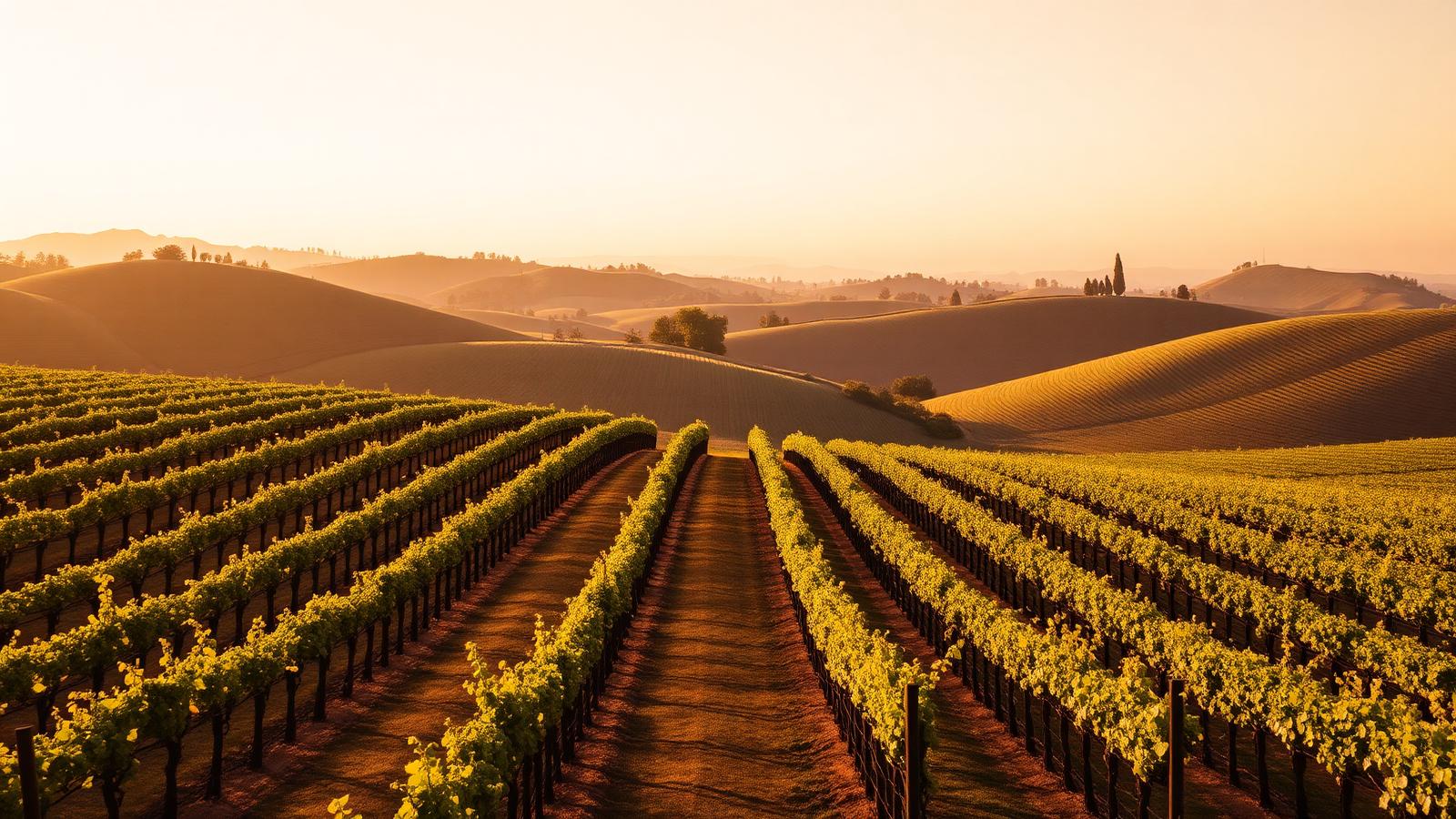
The Southwest benefits profoundly from its proximity to the vast estuary of the Río de la Plata, which acts as a massive thermal regulator. This moderating effect, combined with abundant sunshine and Atlantic breezes, creates an ideal microclimate for a diverse array of grape varietals. While reigns supreme, producing robust wines with a surprising elegance, the region also excels with other reds like and . White varietals such as crisp and aromatic thrive here, offering refreshing contrasts. The maritime influence imbues these wines with a distinct minerality and freshness, reflecting the serene character of the landscape.
Getting to know Southwestern Zone
What Southwestern Zone tastes like
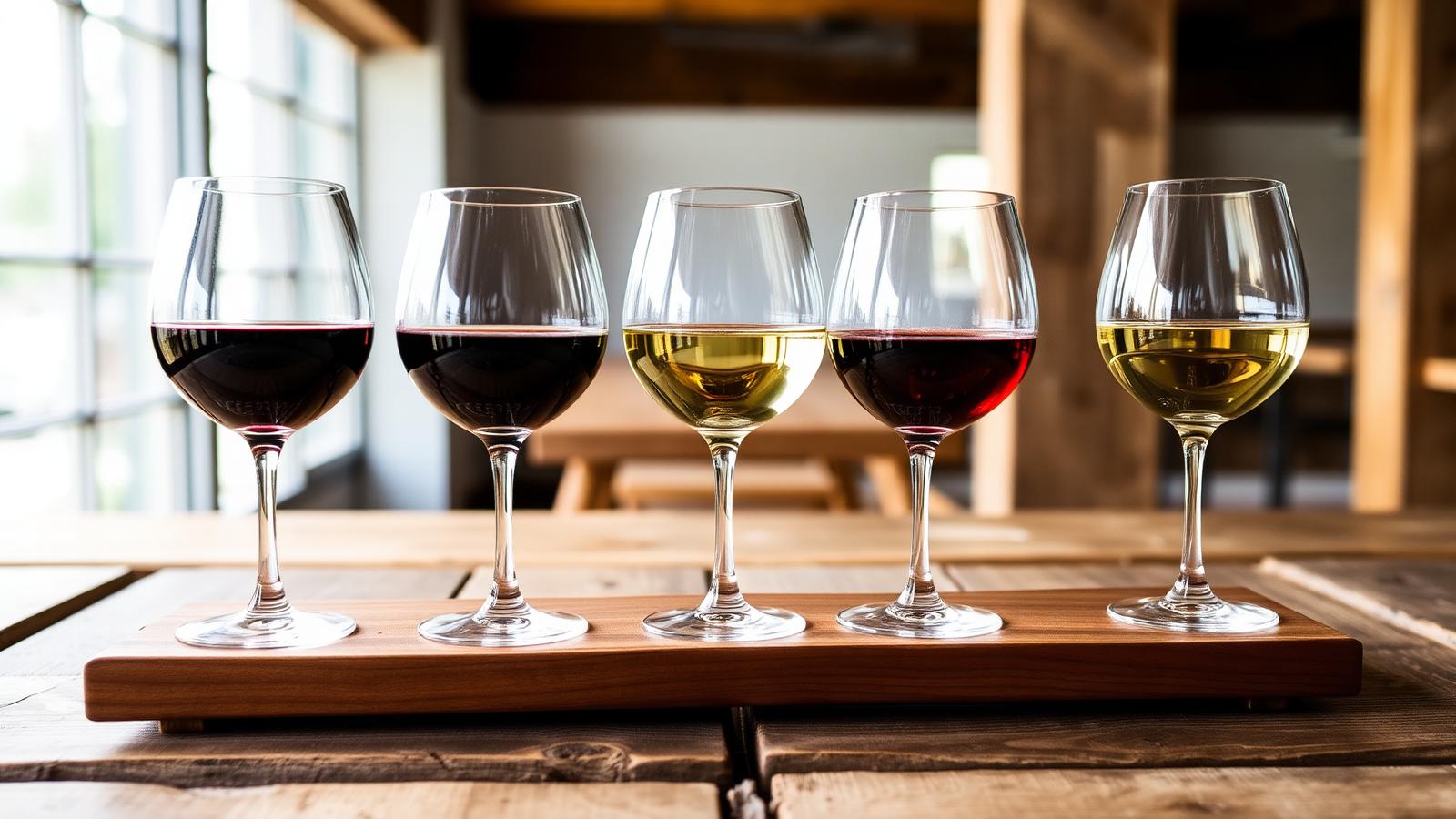
Wines from Southwestern Zone tend to reflect the region's climate and terrain more than any single style. Look for a sense of place in the glass — mineral notes from stony soils, freshness where nights are cool, richer texture where the sun lingers longer. A short flight of local wines is the fastest way to feel the range.
Rhythms of the year
Southwestern Zone moves with the seasons. Spring is quiet and green, summer brings long light and full terraces, harvest is intense and communal, and winter turns the vineyards into a stark, beautiful sculpture. Every season is a good reason to come — they just make very different trips.
Beyond the tasting room
Some of the most memorable moments in Southwestern Zone happen away from the vines: a bakery in the next village over, a viewpoint at sunrise, a slow lunch that turns into a slow afternoon. Leave room in your itinerary for the things you can't plan.
Frequently asked questions
When is the best time to visit the Southwestern Zone for wine touring?
The ideal time to explore the Southwest's wine country is during the spring (September to November) or autumn (March to May). Spring offers pleasant temperatures, budding vines, and vibrant landscapes. Autumn, particularly March, is harvest season, providing a unique opportunity to witness the winemaking process firsthand. Summers (December to February) can be warm, but are still enjoyable, while winters (June to August) are milder than elsewhere, though some cellars might have reduced hours. Regardless of the season, the region's charm is ever-present, offering delightful experiences for every visitor.
What kind of transportation should I arrange to explore the region's wineries?
While some main routes are well-paved, many of the vineyards are nestled along quieter country roads that might be less accessible by public transport. Renting a car is highly recommended as it offers the flexibility to explore at your own pace, stopping at charming villages and scenic viewpoints. Alternatively, arranging for a local driver or a specialized wine tour service can be an excellent option, allowing you to fully indulge in tastings without concern for driving. Taxis are available in larger towns, but less reliable for rural journeys.
Are tastings and tours generally offered in English, or should I brush up on my Spanish?
Many of the more established wineries and larger operations in the Southwestern Zone are accustomed to hosting international visitors and often have staff who can conduct tours and tastings in English. However, it's always a good idea to confirm English availability when booking your visit, especially with smaller, family-run establishments. Learning a few basic Spanish phrases will undoubtedly enhance your experience, allowing you to connect more deeply with the local culture and the passionate proprietors who lovingly craft their wines. Locals appreciate the effort, regardless of fluency.
What is the typical etiquette for visiting wineries in this region?
In the Southwestern Zone, visits to wineries are usually by appointment, especially for smaller producers, ensuring a more personalized experience. It's considered good etiquette to arrive on time and to be respectful of the working environment of the cellar. While many places are welcoming, it's best to call ahead. Remember that these are often family-run enterprises, and a friendly, engaging demeanor is always appreciated. Tipping for exceptional service is customary, particularly if your host has gone above and beyond to share their knowledge and hospitality. Enjoy the unhurried pace and true Uruguayan warmth.