

Western Riverside Zone Wineries & Wine Tours
Sub-regions
A Culinary Echo
The culinary landscape of the Western Riverside Zone is a natural extension of its viticultural character – unpretentious, flavorful, and deeply rooted in local traditions. Expect to find long, leisurely lunches featuring slow-cooked meats, often prepared over an open fire, a nod to the region's ranching heritage. Fresh river fish, delicately prepared, also graces many tables, pairing beautifully with the crisp local white wines. Seasonal vegetables, artisanal cheeses, and rich dulce de leche complete the experience, painting a picture of rustic elegance and a profound connection to the land's bounty. Meals here are not just sustenance; they are celebrations of a way of life.
Grapes of Distinction
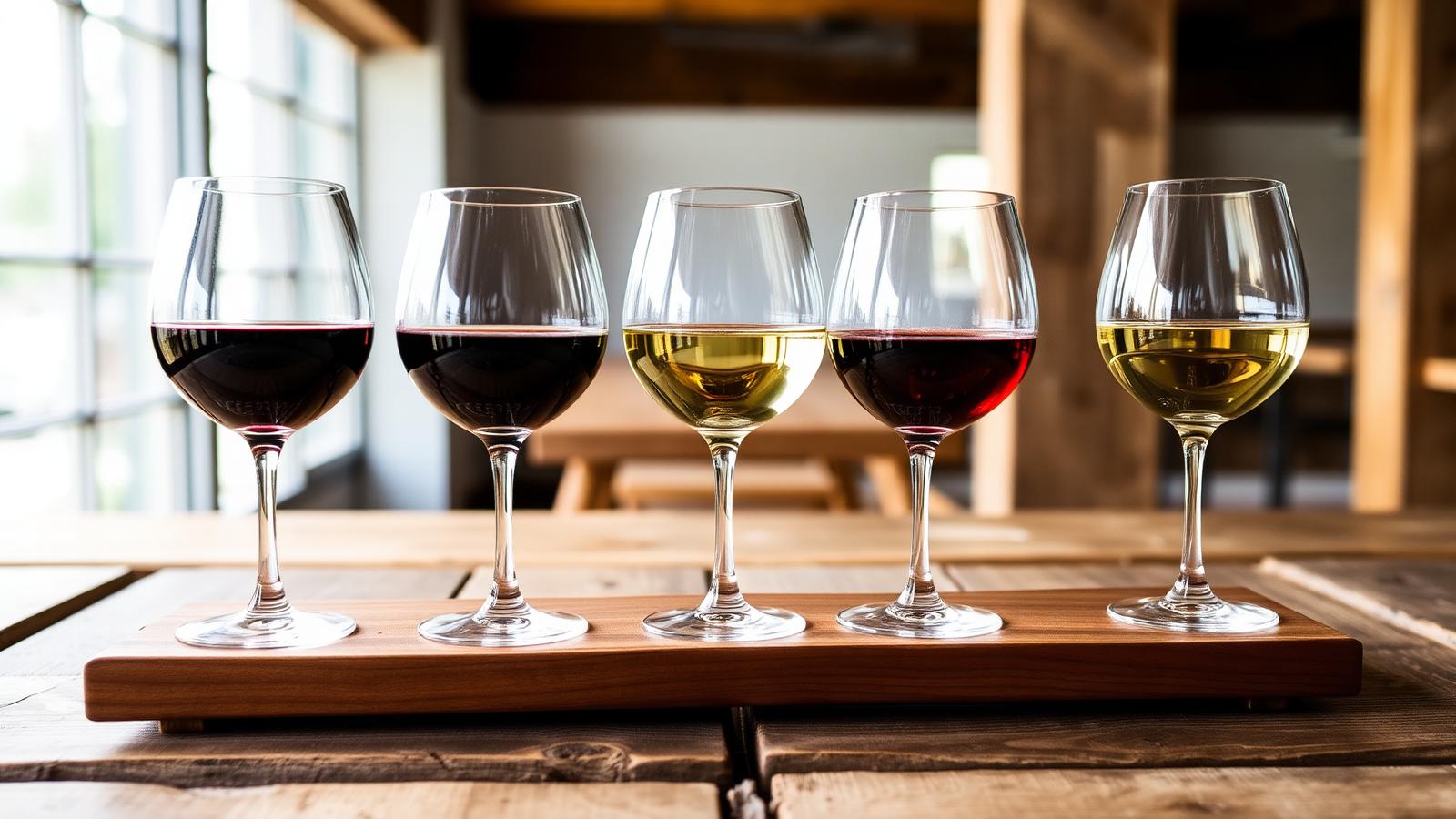
While Uruguay is synonymous with , its most robust and celebrated red, the Western Riverside Zone offers a captivating interpretation. Here, Tannat wines are often rich and structured, yet possess an elegant freshness, reflecting the region's cooler influences. Beyond this powerful red, the zone is increasingly renowned for its white wines. , with its vibrant acidity and aromatic profile of citrus and stone fruit, thrives in these conditions, producing wines that speak of sun and sea. There's also a quiet emergence of other varietals, each finding a unique voice in this generous , contributing to a diverse and intriguing wine landscape.
Terroir's Embrace
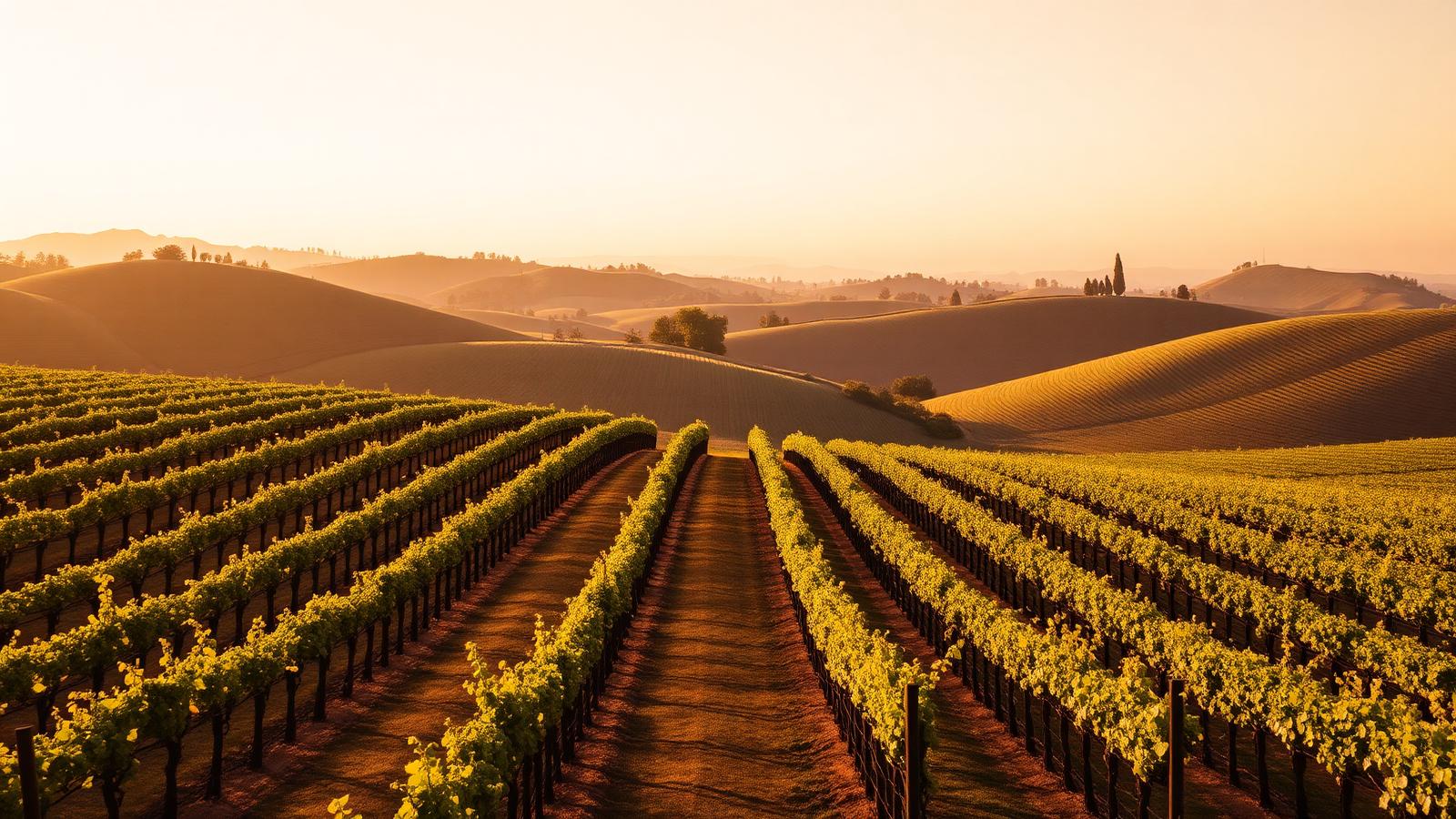
The Western Riverside Zone is distinguished by its unique topography: a gentle canvas of low-lying hills and plains, cradled by the expansive Río de la Plata. This proximity to the vast river system moderates temperatures, creating a microclimate that is both temperate and uniquely maritime. The soils, often a mix of clay, loam, and limestone, provide excellent drainage and a mineral complexity, imparting distinct characteristics to the grapes. Sunlight is abundant, allowing for optimal ripening, while the river's breezes prevent excessive heat, preserving acidity and freshness in the fruit. This interplay of elements sculpts wines of remarkable balance and expressive character.
Getting to know Western Riverside Zone
What Western Riverside Zone tastes like
Wines from Western Riverside Zone tend to reflect the region's climate and terrain more than any single style. Look for a sense of place in the glass — mineral notes from stony soils, freshness where nights are cool, richer texture where the sun lingers longer. A short flight of local wines is the fastest way to feel the range.
Rhythms of the year
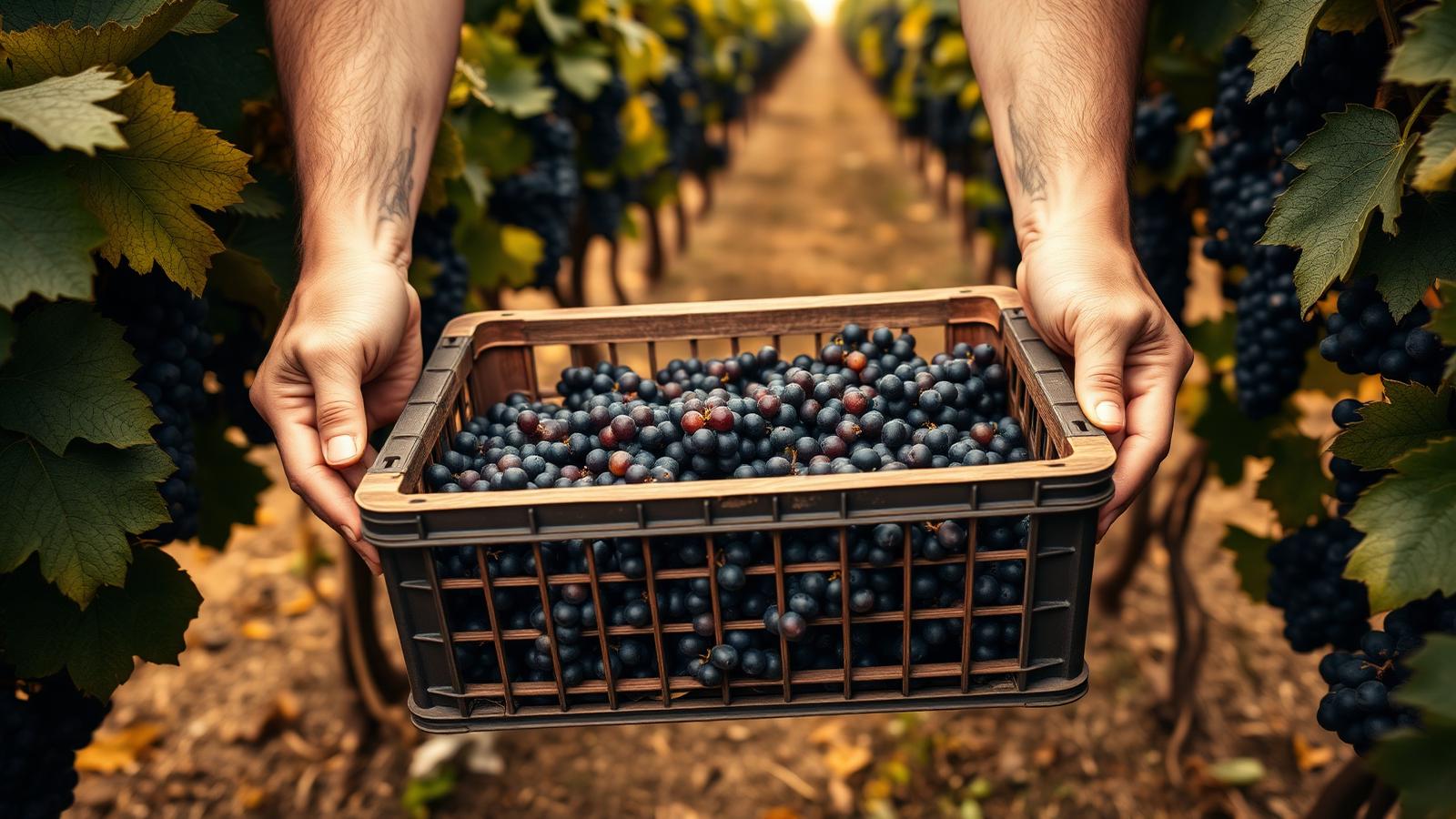
Western Riverside Zone moves with the seasons. Spring is quiet and green, summer brings long light and full terraces, harvest is intense and communal, and winter turns the vineyards into a stark, beautiful sculpture. Every season is a good reason to come — they just make very different trips.
Beyond the tasting room
Some of the most memorable moments in Western Riverside Zone happen away from the vines: a bakery in the next village over, a viewpoint at sunrise, a slow lunch that turns into a slow afternoon. Leave room in your itinerary for the things you can't plan.
Frequently asked questions
What is the best time of year to visit the Western Riverside Zone for a wine tour?
The shoulder seasons, spring (October-November) and autumn (March-April), often offer the most comfortable and rewarding experiences. Spring brings blossoming landscapes and pleasant temperatures before the summer heat. Autumn coincides with the grape harvest, a vibrant and exciting time to witness the winemaking process firsthand. While summer (December-February) is warm and lively, it can be quite hot. Winter (June-August) offers cooler, quieter visits, with opportunities for barrel tastings and a more introspective look at the region.
How can I best explore the wine region, and what transportation options are available?
Exploring by car offers the most flexibility, allowing you to venture at your own pace and discover hidden gems. Rental cars are available in major cities. Alternatively, many travelers choose to arrange private transfers or join small group tours that include transportation. Some estates are also accessible by bicycle for those who enjoy active exploration, particularly around the more populated areas. Taxis can be an option for shorter distances between villages, but may be limited in rural areas.
Are tastings and tours widely available, and should I book them in advance?
Yes, tastings and cellar tours are generally available throughout the Western Riverside Zone, offering insights into the winemaking process and the chance to sample the region's distinct wines. While spontaneous visits are sometimes possible, especially during off-peak times, it is highly recommended to book your tours and tastings in advance, particularly if you are visiting during harvest season or on weekends. This ensures availability and allows the establishments to provide you with the best possible experience, often in smaller, more personal groups.
What local crafts or products make for unique souvenirs from the Western Riverside Zone?
Beyond bottles of the exquisite local and , the Western Riverside Zone offers charming artisan crafts. Look for handmade leather goods, reflecting Uruguay's strong equestrian and cattle-raising traditions. Local pottery and ceramics, often featuring rustic designs inspired by the landscape, make for beautiful keepsakes. You might also find gourmet food products like artisanal cheeses, olive oils, or regional honey, which perfectly capture the flavors and essence of this beautiful riverside territory. These items truly embody the spirit and craftsmanship of the region.