

Eastern Zone Wineries & Wine Tours
Sub-regions
Flavors of the Sea and Land
Cuisine in the Eastern Zone is a celebration of its abundant resources, deeply intertwined with the region's viticulture. Freshly caught seafood, often grilled simply over open flames or incorporated into hearty stews, pairs exquisitely with the crisp white and lighter-bodied red wines produced here. Beyond the ocean's bounty, expect slow-cooked meats, often prepared using traditional methods, and seasonal vegetables that reflect the fertile plains. Long, leisurely meals, shared under an open sky or in quaint, unassuming eateries, are a cornerstone of the local experience, inviting guests to savor both food and conversation.
Coastal Terroir and Varietals
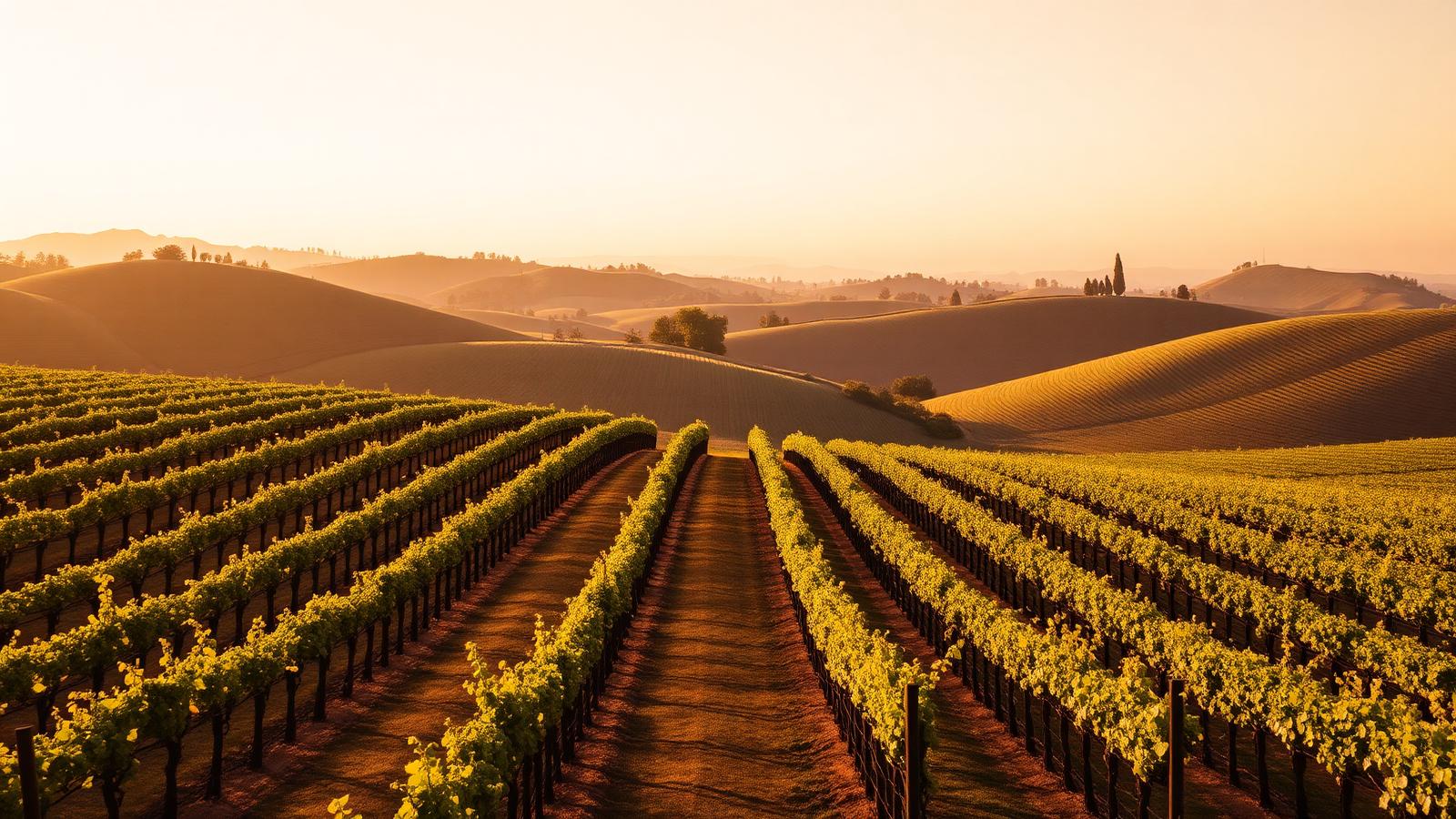
The Eastern Zone's is etched by its proximity to the Atlantic. Ocean-moderated temperatures and constant breezes mitigate extreme heat, resulting in a prolonged ripening season. This allows red varietals, particularly our nation's emblematic grape, to achieve full phenolic maturity while retaining a refreshing acidity. White grapes, too, thrive in these conditions, developing crispness and aromatic intensity. The soils, often a mix of sand, clay, and fractured rock, further contribute to the wines' nuanced profiles, often highlighting mineral undertones that speak of the land.
Getting to know Eastern Zone
What Eastern Zone tastes like
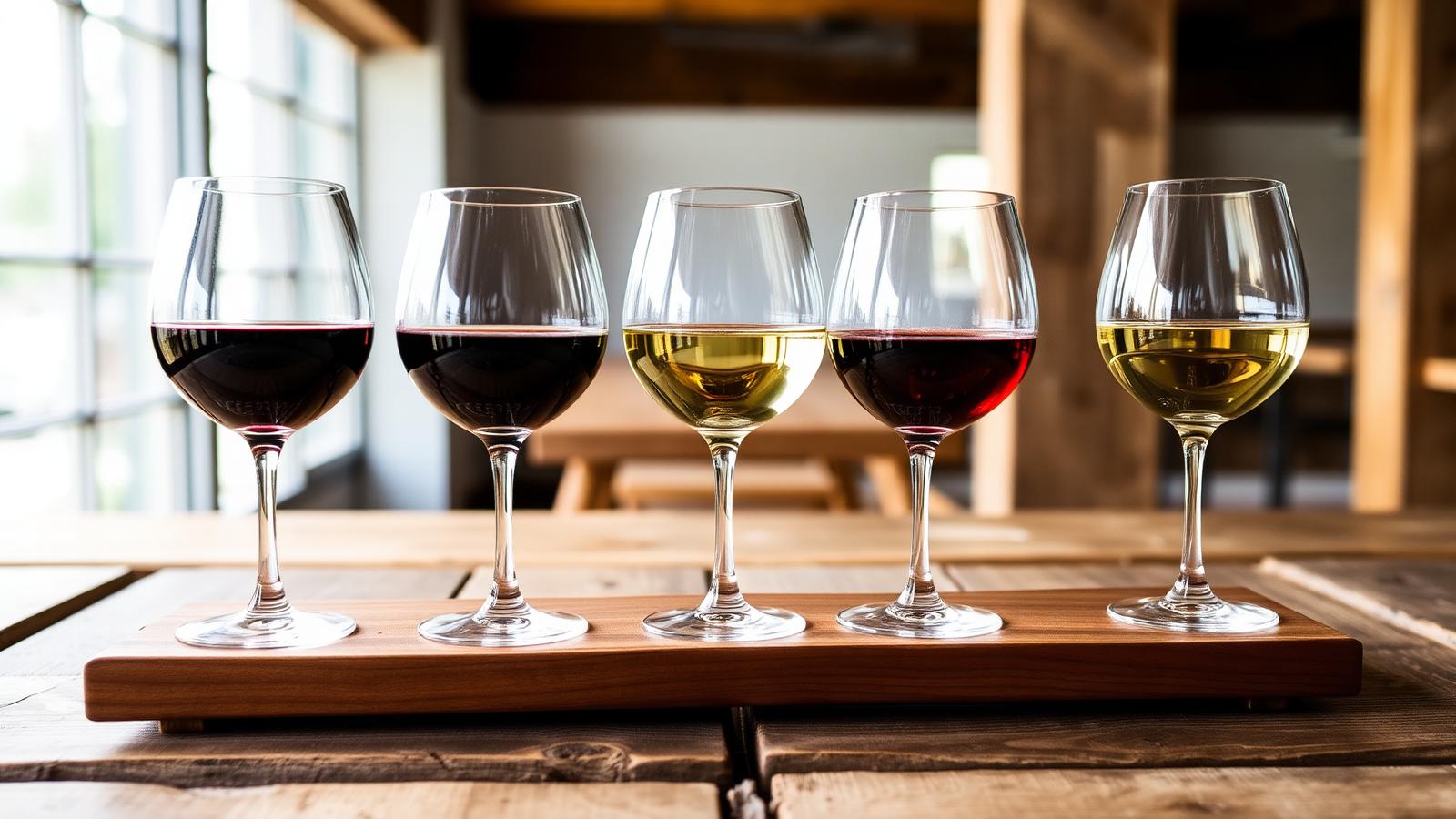
Wines from Eastern Zone tend to reflect the region's climate and terrain more than any single style. Look for a sense of place in the glass — mineral notes from stony soils, freshness where nights are cool, richer texture where the sun lingers longer. A short flight of local wines is the fastest way to feel the range.
Rhythms of the year
Eastern Zone moves with the seasons. Spring is quiet and green, summer brings long light and full terraces, harvest is intense and communal, and winter turns the vineyards into a stark, beautiful sculpture. Every season is a good reason to come — they just make very different trips.
Beyond the tasting room
Some of the most memorable moments in Eastern Zone happen away from the vines: a bakery in the next village over, a viewpoint at sunrise, a slow lunch that turns into a slow afternoon. Leave room in your itinerary for the things you can't plan.
Frequently asked questions
When is the best time of year to visit the Eastern Zone for wine tourism?
The ideal time to visit the Eastern Zone is during the spring (October to December) and autumn (March to May) months. Spring offers pleasant temperatures and the vineyards bursting with new growth, while autumn provides comfortable weather perfect for experiencing the harvest season. The summer months (January to February) can be quite hot and busy as coastlines attract many visitors, but also offer vibrant local life. Winter (June to September) is quieter and cooler, a peaceful time for intimate cellar visits.
What kind of transportation is best for exploring the vineyards in the Eastern Zone?
Renting a car is highly recommended for exploring the Eastern Zone's vineyards. This offers the greatest flexibility to visit various properties at your own pace, discover charming villages, and take scenic routes along the coast. While some regions might have limited public transport, it typically doesn't reach the more secluded vineyard areas. Alternatively, consider arranging private transfers or joining a small-group guided tour for a hassle-free experience with a designated driver.
Beyond wine tasting, what other activities can I enjoy in the Eastern Zone?
The Eastern Zone offers a wonderful array of activities complementing its wine scene. You can explore pristine beaches and charming coastal towns, ideal for relaxation or leisurely strolls. Birdwatching is popular due to the diverse ecosystems, and horseback riding through picturesque countryside is a memorable way to experience the landscape. Many areas offer opportunities for nature walks, and the region's culinary culture means you can enjoy fresh seafood and farm-to-table experiences that showcase local produce, often paired with regional wines.
Are most wine experiences in the Eastern Zone conducted in English?
While Spanish is the official language, many of the establishments catering to wine tourism in the Eastern Zone will have staff who speak English, especially at the more established visitor centers. However, it’s always a good idea to confirm when booking an experience if an English-speaking guide will be available. Learning a few basic Spanish phrases will certainly enhance your interactions and demonstrate respect for the local culture, enriching your overall travel experience in this beautiful region.