

Alsace Wineries & Wine Tours
Sub-regions
The Vineyards' Embrace
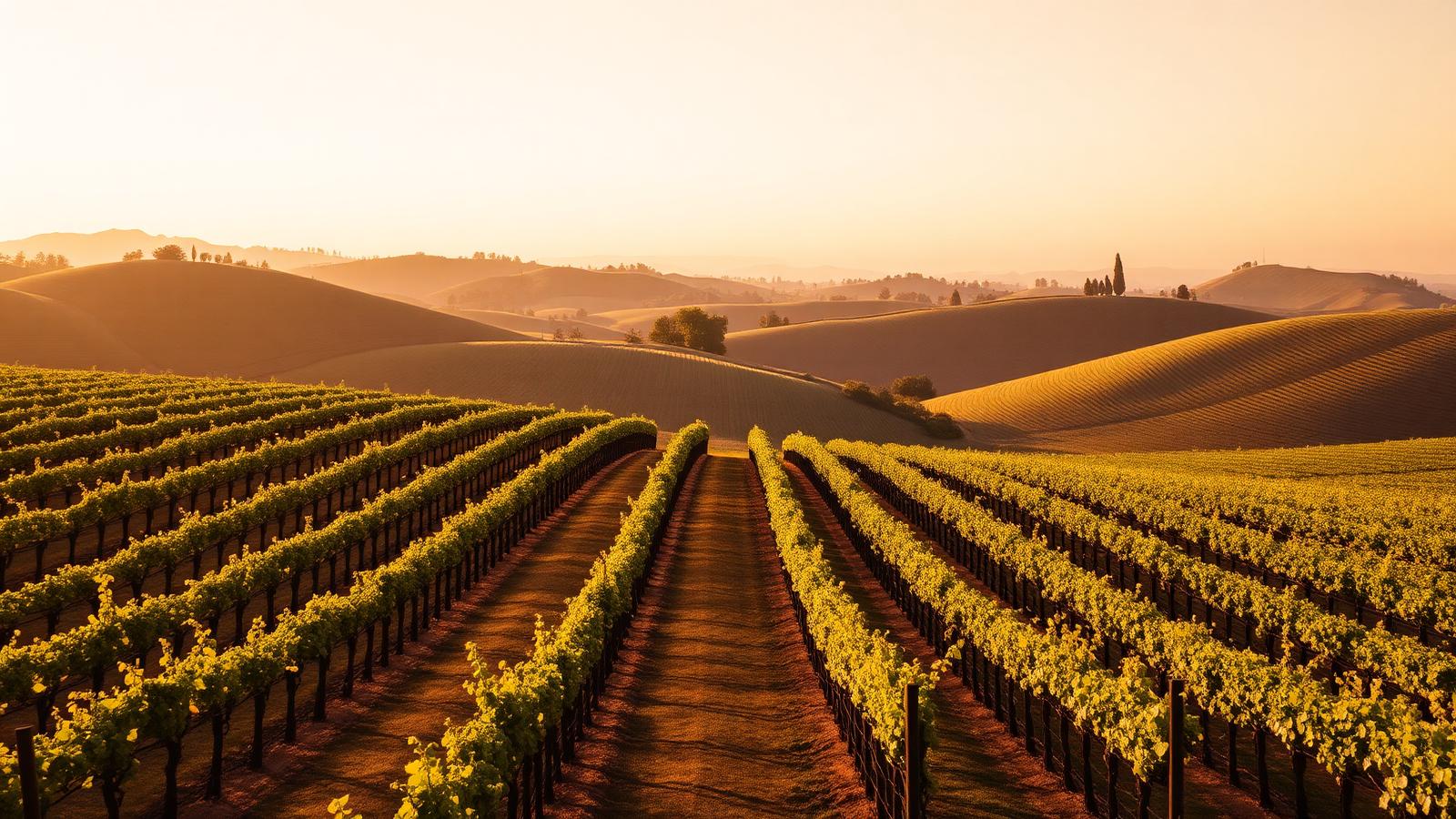
Alsace’s vineyards cling to the eastern slopes of the Vosges, enjoying a singularly dry and sunny microclimate. This protection allows a long, slow ripening period, crucial for developing the intense aromatics and balanced acidity that define Alsatian wines. The patchwork of soils—from granite and schist in the north to limestone and clay further south—imparts distinct characteristics to each grape variety. Rows of vines ascend steeply, often requiring meticulous hand-harvesting, a testament to the region's commitment to quality over ease. This intimate relationship between geology, climate, and human endeavor crafts wines of remarkable purity and expression, mirroring the diverse landscape itself.
Grapes of Distinction
Unlike its French counterparts, Alsace proudly labels its wines by the grape , offering a clear invitation to explore their individual personalities. , crisp and mineral-driven, reflects its with stunning clarity. delivers an exotic bouquet of lychee and rose, a true aromatic marvel. offers richness and complexity, while captures the essence of fresh grapes. Even the playful , the region’s only red varietal, finds a delicate expression here. These noble grapes, nurtured through generations, embody the distinct winemaking philosophy of the valley, a celebration of varietal purity and precision.
Getting to know Alsace
What Alsace tastes like
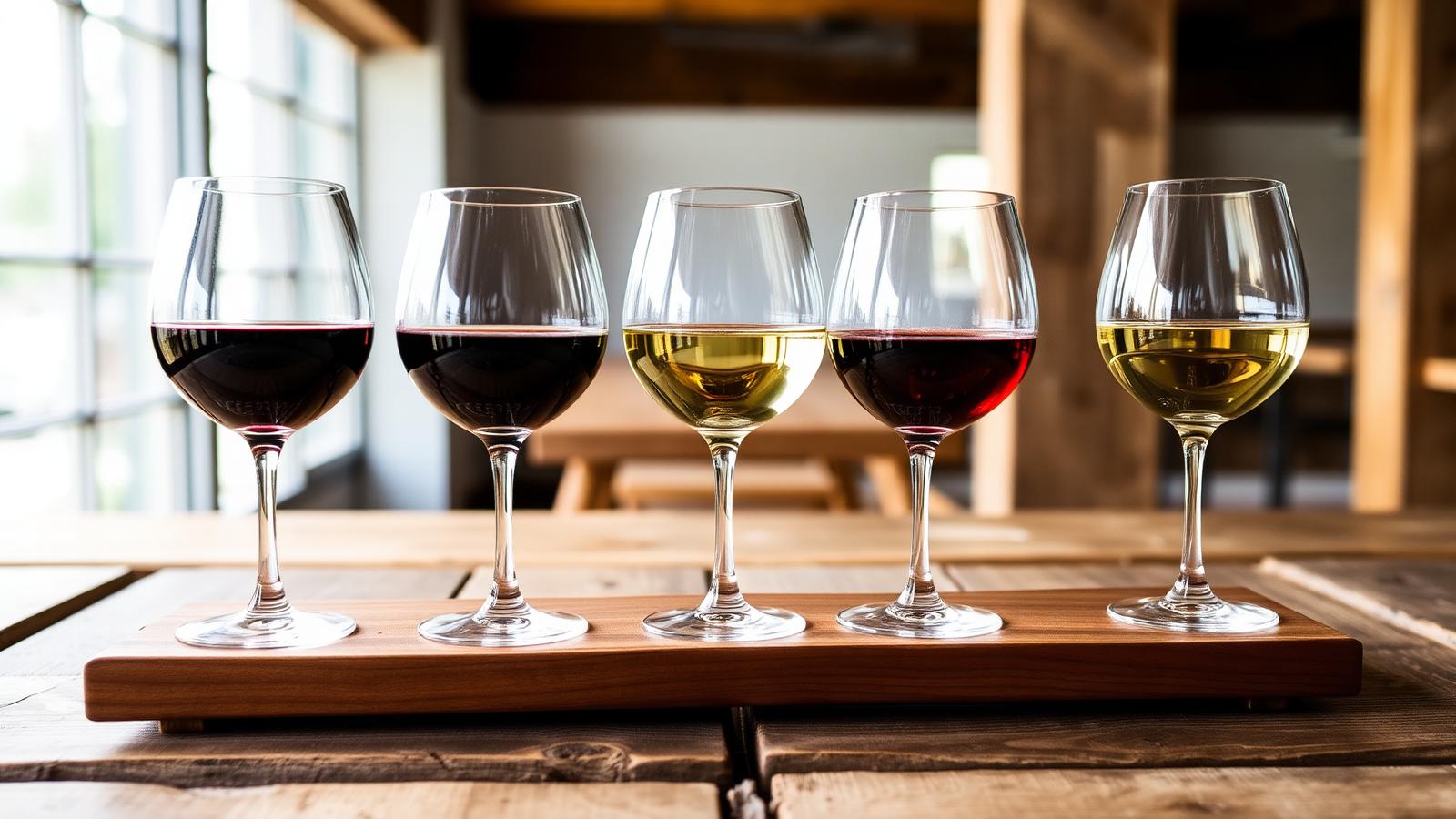
Wines from Alsace tend to reflect the region's climate and terrain more than any single style. Look for a sense of place in the glass — mineral notes from stony soils, freshness where nights are cool, richer texture where the sun lingers longer. A short flight of local wines is the fastest way to feel the range.
Rhythms of the year
Alsace moves with the seasons. Spring is quiet and green, summer brings long light and full terraces, harvest is intense and communal, and winter turns the vineyards into a stark, beautiful sculpture. Every season is a good reason to come — they just make very different trips.
Beyond the tasting room
Some of the most memorable moments in Alsace happen away from the vines: a bakery in the next village over, a viewpoint at sunrise, a slow lunch that turns into a slow afternoon. Leave room in your itinerary for the things you can't plan.
Frequently asked questions
What is the best time of year to visit Alsace for a wine-focused trip?
The most enchanting times to visit Alsace are late spring (May-June) and early autumn (September-October). In spring, the vineyards burst with fresh growth, the weather is pleasant, and the villages are adorned with vibrant flowers. Autumn offers the spectacle of harvest season, with bustling activity in the vineyards and cellars, and the added beauty of changing foliage. Accommodation can be busy during these peak periods, so booking well in advance is advisable to secure your preferred stays.
What are the common wine styles I should expect to encounter in Alsace?
You’ll primarily find dry white wines, celebrated for their aromatic intensity and elegant acidity. , , , and are the main noble varieties, typically crafted to express their character. Expect also delightful , often used in sparkling Crémant d'Alsace. While most wines are dry, you may also discover Vendanges Tardives (late harvest) and Sélections de (botrytized wines), which are luxuriously sweet and complex. Don't forget the light-bodied, fruit-forward .
How navigable is the Alsatian Wine Route, and what transportation is recommended?
The Alsatian Wine Route, or 'Route des Vins d'Alsace,' is well-marked and relatively flat in many sections, making it highly navigable. Renting a car offers the most flexibility to explore charming villages and reach more secluded vineyards at your own pace. However, the region is also excellent for cycling, with dedicated bike paths connecting many wine-producing towns. Local trains and buses connect larger towns, and guided tours are available to handle logistics, especially if you prefer not to drive after tastings.
Beyond wine tasting, what other cultural experiences should I seek out in Alsace?
Alsace is rich in cultural experiences. Wander through the storybook villages like Eguisheim, Riquewihr, and Kaysersberg, marveling at their half-timbered houses and floral displays. Explore historical sites such as Haut-Kœnigsbourg Castle, offering panoramic views of the Rhine valley. Delve into local markets for regional produce and artisanal crafts. Indulge in Alsatian gastronomy at a traditional 'winstub' for an authentic meal. The unique architectural and culinary blend of French and German influences is a captivating aspect of the region, ensuring a memorable visit beyond the vine.