

Strasbourg Wine Guide
Wineries in Strasbourg
View all 42 wineries →Terroir's Embrace
The ground beneath Strasbourg's vineyards is a tapestry of geological marvels, a legacy of ancient seas and glacial movements. Limestone, schist, and granite contribute distinct characteristics to the earth, imbuing the grapes with a vibrant minerality and unique structural elegance. This varied terrain, combined with the beneficial rain shadow cast by the Vosges mountains, creates a patchwork of microclimates where each finds its ideal expression. The cooling breezes ensure the wines maintain a refreshing acidity, a hallmark of the region's style, while the sun's gentle warmth allows for phenolic ripeness and aromatic development that is both delicate and intense, a true reflection of this intimate corner of France.
The Slow Dance of Harvest
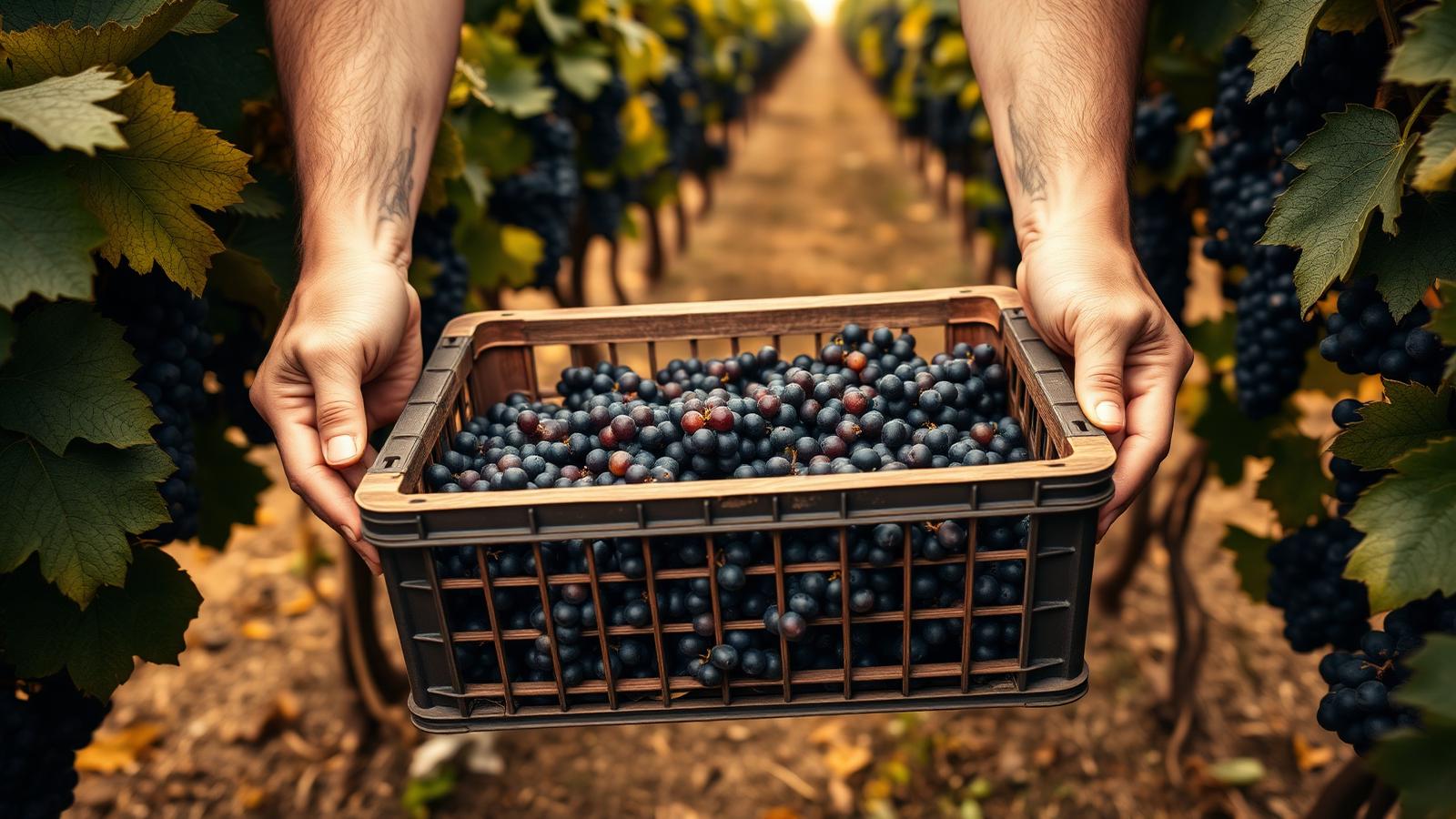
Life in the vineyards around Strasbourg moves to an unhurried, time-honored beat. From the first blush of spring, as buds unfurl with eager promise, to the golden hues of autumn, the rhythm is one of careful stewardship. Harvest, in particular, is a communal celebration, a culmination of months of dedication, often stretching into late October for the coveted Vendanges Tardives. Families and seasonal workers, hands stained with the juice of ripe berries, move through the rows, selecting only the finest bunches. This meticulous attention to detail at every stage ensures that each bottle captures the purity of the fruit and the essence of the vintage, a testament to generations of winemaking tradition.
A Culinary Pairing
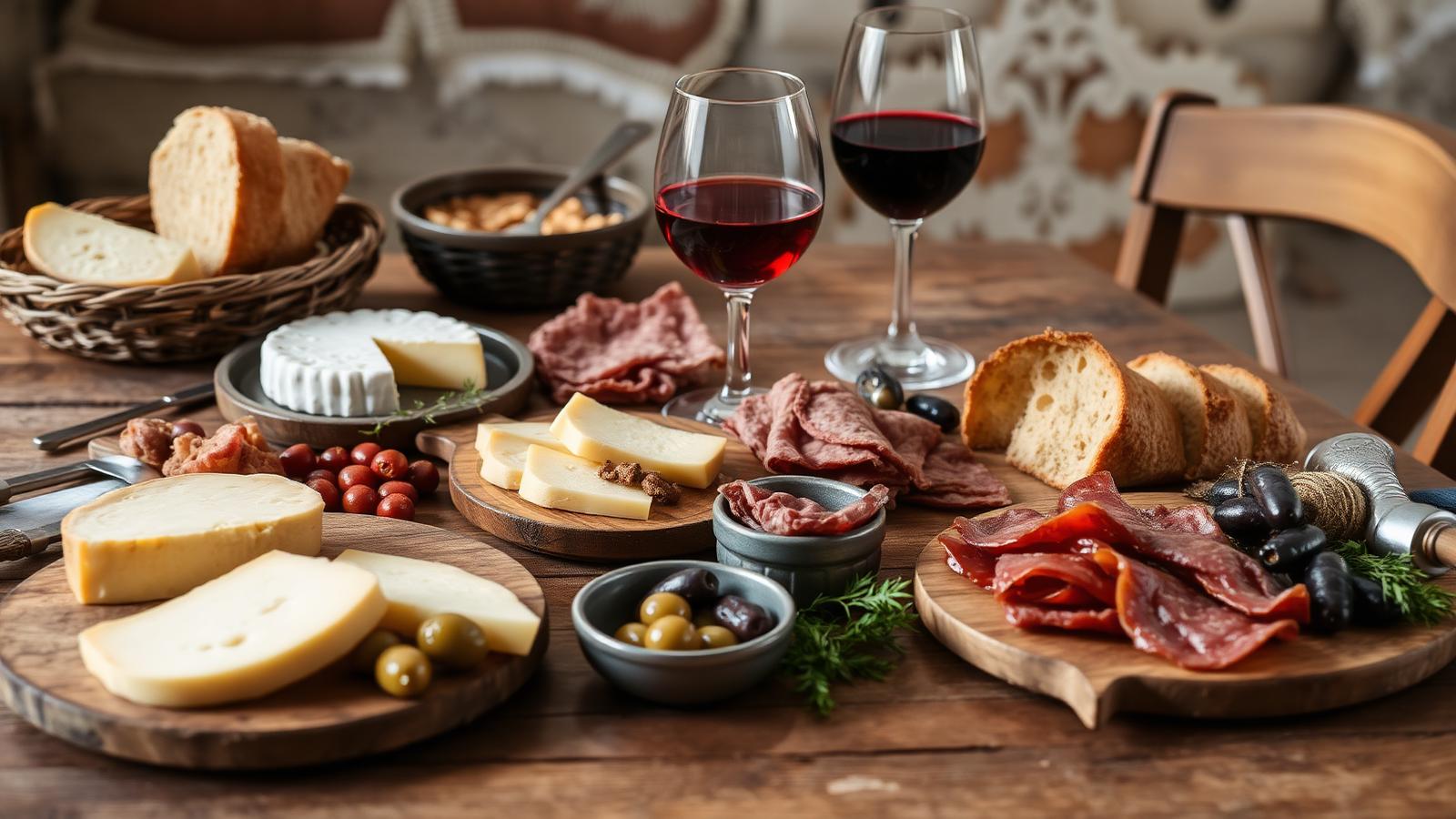
The wines of Strasbourg's surrounding regions are intrinsically linked to the local table. The crisp, dry Rieslings, with their citrus and minerality, are perfect companions for freshwater fish from the Rhine or the region’s delicate Choucroute garnie. For a more aromatic experience, a Gewurztraminer, with its exotic notes of lychee and rose, beautifully complements spiced dishes or a rich foie gras. The slightly richer , offering hints of apricot and honey, finds its match in poultry or creamy sauces. Every meal here becomes an opportunity for a delightful dialogue between plate and glass, reinforcing the deep-seated cultural connection between wine and gastronomy.
Planning a visit to Strasbourg
Best time to visit Strasbourg
Late spring and early autumn are the choices — comfortable weather, generous light, and vineyards at their most photogenic. Summer is warmer and livelier, with long evenings and outdoor tables everywhere. Winter is peaceful, cellars are quiet, and there's a real intimacy to visits without the crowds.
Where to base yourself
The main village or town in Strasbourg is usually the easiest base — it puts you in walking distance of restaurants and daily life, with vineyards a short drive away. Staying in the countryside is quieter and more romantic, but you'll rely more on a car or a driver. Both are valid; pick the mood you want your trip to have.
Getting to Strasbourg
Most travellers reach Strasbourg by combining a flight into the nearest major city with a train, bus, or rental car for the last leg. Once you arrive, distances are usually short — many memorable days here involve less driving than you'd expect.
Making the most of a day in Strasbourg
A good day in Strasbourg tends to have a shape: a slow morning, a couple of unhurried tasting stops, a proper local lunch, and time in the late afternoon to walk, nap, or take in a view. Try not to over-plan — the best moments usually turn up between the ones you scheduled.
Frequently asked questions
What is the best way to explore the wine-producing areas near Strasbourg?
The most enchanting way to discover the vineyards around Strasbourg is by car, allowing you the freedom to explore charming village detours and scenic routes at your own pace. Many local operators also offer guided small-group tours that include transportation and pre-arranged visits to tasting rooms, which can be a wonderful option for those who prefer not to drive. Don't forget that cycling paths wind through many vineyard areas, providing an immersive and active way to experience the landscape, especially on a pleasant day. Public transport can get you to some larger towns, but for deeper exploration of the countryside, a car or a guided tour is recommended.
What's the ideal time of year to visit Strasbourg for a wine-focused trip?
The shoulder seasons, particularly late spring (May-June) and early autumn (September-October), offer the most rewarding experience for a wine enthusiast. In spring, the vineyards burst into vibrant green, and the weather is generally mild for exploring. Autumn, especially during harvest season, is truly magical; the air is crisp, the leaves turn golden, and there's a palpable excitement in the air as grapes are brought in. While summer is beautiful, it can be quite warm, and winter, though picturesque with festive markets, means the vines are dormant and some establishments might have reduced hours. Each season, however, offers a unique charm.
What local culinary specialties should I try with the regional wines?
Strasbourg offers a hearty and delicious cuisine that pairs wonderfully with its wines. You absolutely must try the authentic Choucroute garnie, a generous platter of sauerkraut served with various cuts of pork, typically paired with a crisp . Tarte Flambée, a thin-crust 'pizza' topped with crème fraîche, onions, and bacon, is another local favourite, often enjoyed with an unpretentious or . Don't miss out on cheeses like Munster, which finds a surprising and delightful match with a Gewurztraminer. For something sweet, Kougelhopf, a brioche-like cake, is a local specialty perfect with a cup of coffee or a lighter, sweeter wine.
Are tastings always available, or should I book in advance?
While some larger, more established houses near Strasbourg might accommodate walk-ins, it's highly recommended to book your tasting experiences in advance, especially if you have specific places in mind or are travelling during peak season (summer or harvest). Many smaller, family-run establishments operate by appointment only, as they often have limited staff juggling both vineyard and cellar duties. An advance booking ensures a more personal and unhurried experience, allowing the hosts to dedicate their full attention to guiding you through their wines. It also helps avoid disappointment, particularly if you're traveling with a group.