Wineries & Wine Tours in France
Regions
To speak of France is to speak of wine, not merely as a beverage, but as the very pulse of the land. From the northern mists that caress vines to the sun-drenched garrigue where unfurls its secrets, each region whispers a distinct tale. Here, the landscape isn't just picturesque; it's a living canvas, etched by ancient rivers, sculpted by geological dance, and painted yearly by the hands of countless vintners whose families have tended these soils for generations.
Journeying through its vinous heart is an invitation to slow down, to breathe deeply, and to taste the nuanced history in every glass. Imagine winding roads threading through patchwork fields, the scent of damp earth mingling with distant blossoms, and the hushed reverence of a centuries-old cellar. This is where the profound connection between earth, climate, and human endeavor finds its most eloquent expression.
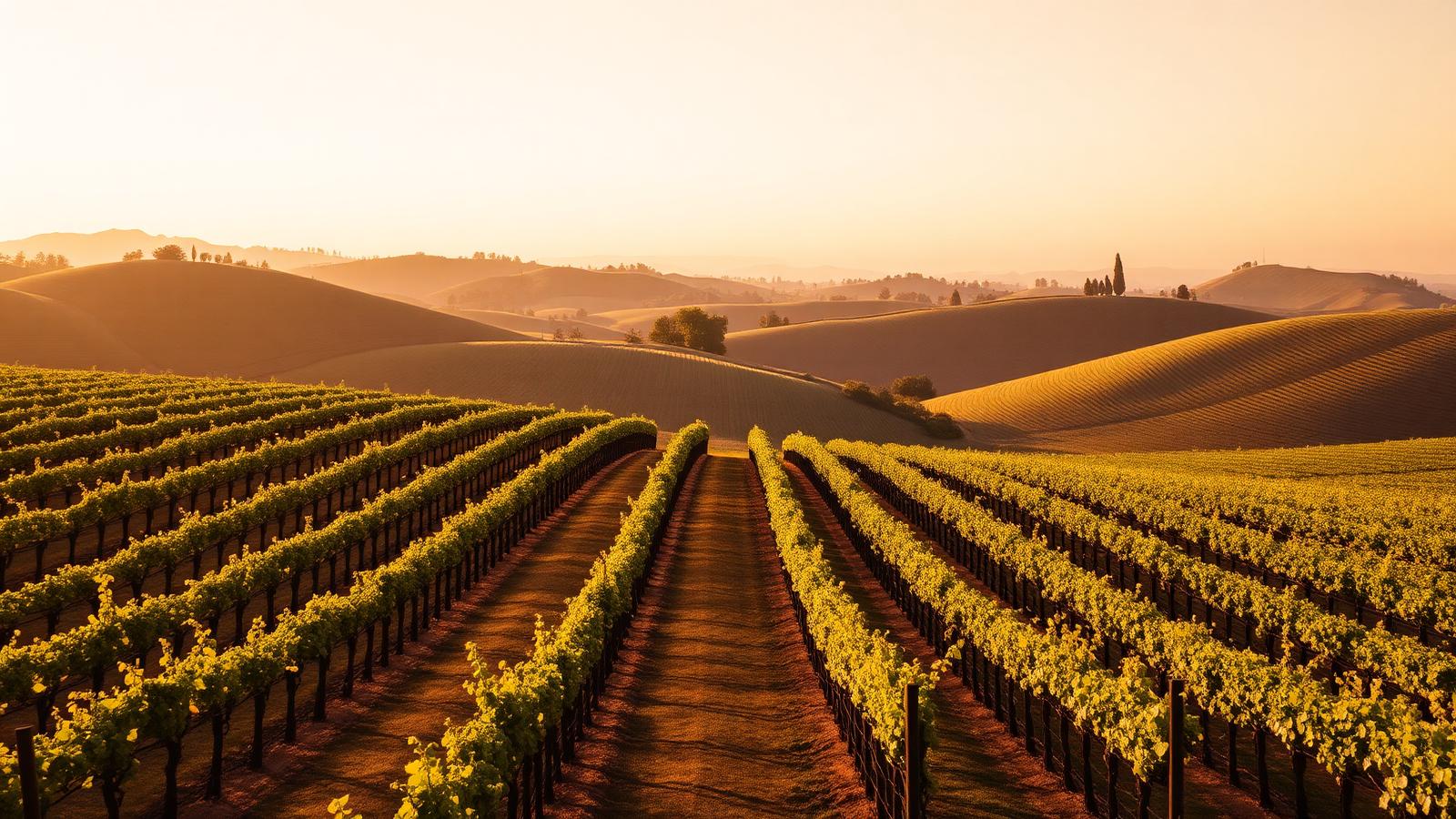
It is an immersion, a sensory symphony where crisp morning air carries the promise of a bright , and the golden hour bathes vineyards in a burnished glow. To travel France for its wine is to understand its soul, to partake in a living heritage that continues to shape its identity, its cuisine, and its gentle, insistent rhythm.
The Rhythms of the Vine
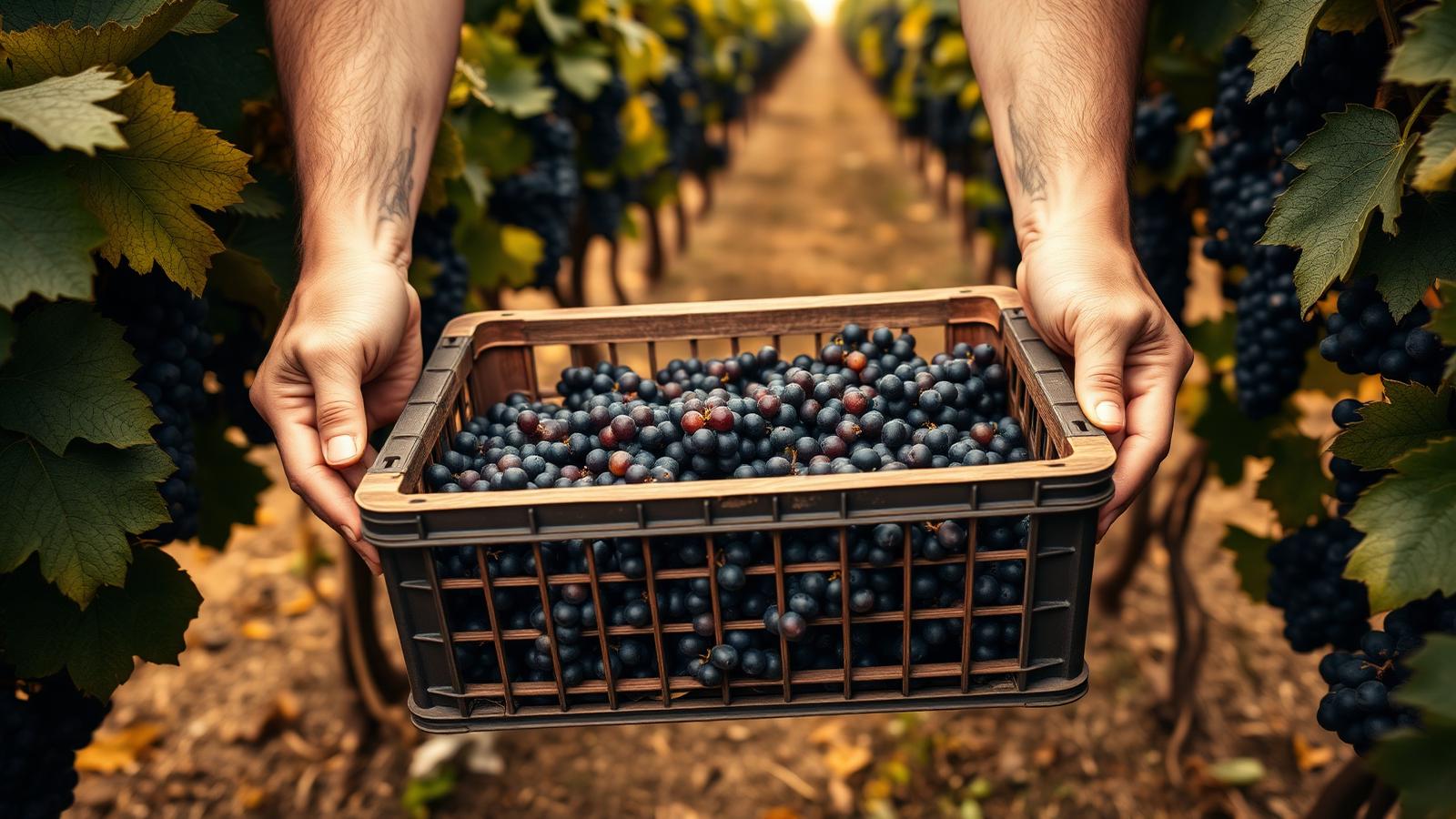
The French wine year moves in a timeless cycle, dictated by the seasons and the ancient wisdom of the land. Spring brings the delicate dance of bud break, followed by the vibrant green growth of summer as grapes ripen under the sun. Autumn crescendoes with the frenzy and joy of harvest, the culmination of a year's dedication, as clusters are carefully gathered. Winter, in turn, is a period of quiet repose and meticulous cellar work, allowing the wines to mature. This unhurried rhythm invites visitors to witness and appreciate the profound effort and patient anticipation embedded in every bottle, connecting them to generations of winemaking heritage.
Terroir's Tapestry
Across France's diverse geography, is not just a concept; it is the very essence of its wines. The chalky slopes of Champagne give way to the granite of Beaujolais, then to the limestone plateaus of Burgundy, and the sun-baked stones of the Rhône. Each geological fingerprint, combined with subtle shifts in climate—from maritime influences in Bordeaux to continental extremes further east—orchestrates a unique harmony. This deep reverence for the land dictates which varietals thrive, imbuing their fruit with specific mineral undertones, structural elegance, or explosive aromatics. It’s a perpetual lesson in how the earth speaks through the vine.
Cuisine and Companion
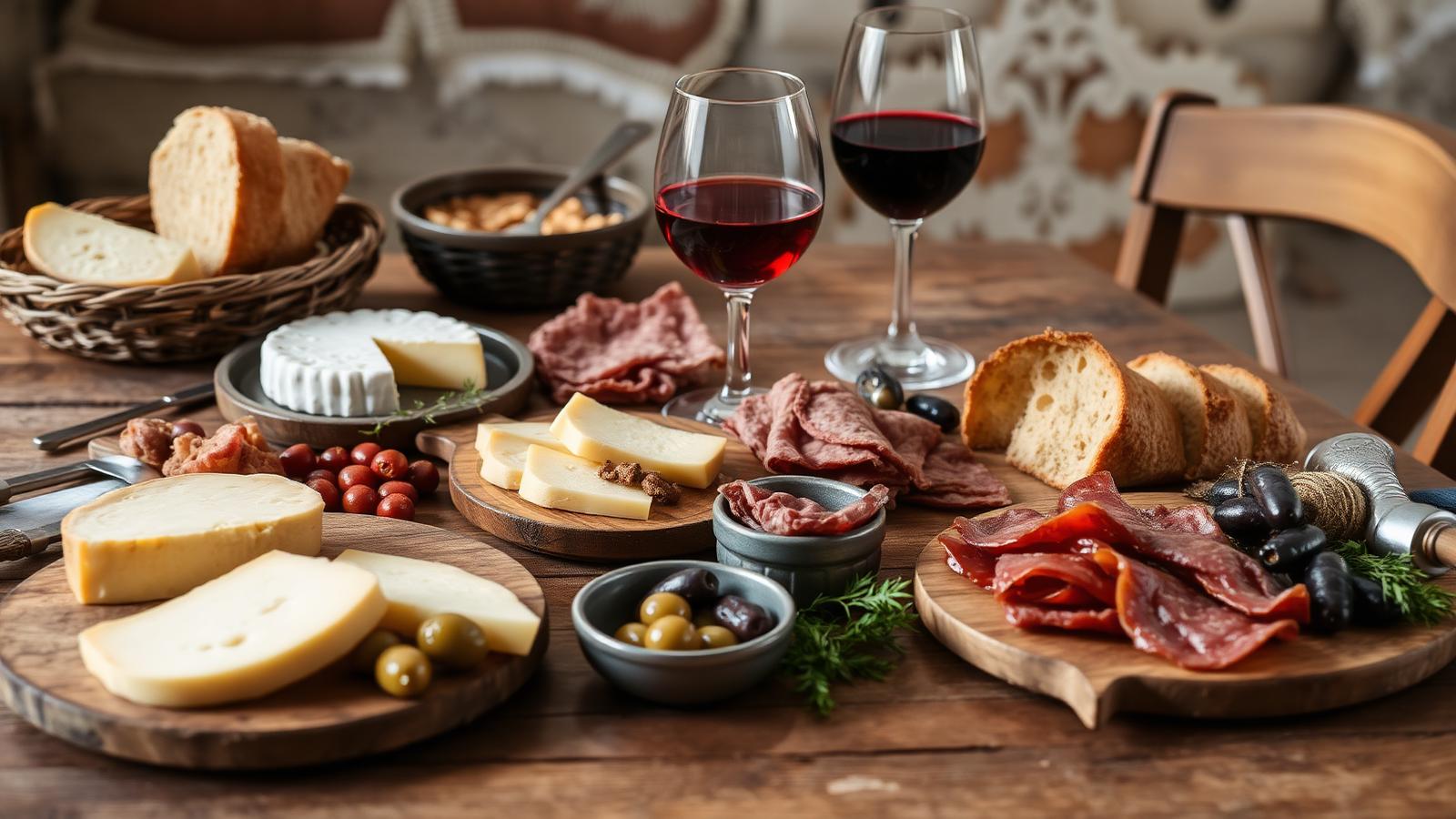
In France, wine is never an afterthought; it is the natural, joyful accompaniment to the table. Meals unfold leisurely, whether in a bustling bistro or a quiet country home, with each dish thoughtfully paired to enhance both the food and the wine. Rich Coq au Vin finds its soulmate in a robust , while freshly shucked oysters call for the bracing minerality of a Muscadet. This symbiotic relationship elevates dining to an art form, deeply ingrained in the culture. Sharing stories and laughter over local specialties and a carefully selected bottle is not just a meal; it's a fundamental expression of French conviviality and a cherished ritual.
What makes a trip here special
A landscape shaped by the vine
Vineyards in France follow the geography — rivers, ridgelines, coastlines, and altitude all leave their fingerprints on the wine. Driving between regions is often as memorable as the tastings themselves.
Food that grew up next to the wine
The best pairings for France's wines are almost always the dishes that grew up alongside them. Local markets, family-run restaurants, and roadside stops turn a wine trip into a full sensory tour of the country.
A calendar worth planning around
Harvest, pruning, spring flowering, and long lazy summers each give France's wine regions a completely different mood. Choosing when you visit is almost as important as choosing where.
Frequently asked questions
What is the best time of year to visit France for a wine trip?
The most enchanting times to visit are generally spring (April-May) for the vibrant bud burst and blooming landscapes, or autumn (September-October) for the thrilling energy of harvest and beautiful fall colors. Summer (June-August) offers long, warm days perfect for outdoor adventures, though some countryside areas might be quieter. Winter provides a more intimate experience, with opportunities for barrel tastings and cozy cellar visits, though fewer events are typically scheduled. Each season offers a distinct charm, depending on the experience you hope to embrace.
Do I need to speak French to enjoy a wine tour in France?
While knowing some basic French phrases will certainly enrich your experience and is always appreciated, it’s not strictly necessary. Many wine regions cater to international visitors, and you'll find English speakers, particularly at larger estates and in more tourist-frequented areas. However, for smaller, family-run producers, a translation app or a local guide can be invaluable. Don't let language be a barrier; the warmth of French hospitality, often expressed through the generosity of their wines, transcends words.
What types of wine experiences can I expect in France?
France offers a spectrum of wine experiences, from structured tastings at grand châteaux to intimate encounters at small, often organic, family domaines. You might find yourself wandering through historic vineyards, exploring ancient cellars carved into hillsides, or even participating in a hands-on harvest experience during autumn. Culinary pairings are a common and delightful feature, often involving regional cheeses or local delicacies. Many regions also offer wine museums, scenic walking and cycling routes through vineyards, and opportunities to connect directly with the artisans behind the wines, fostering a deeper appreciation for their craft.
Should I book wine tours and tastings in advance?
Yes, especially during peak season (late spring through early autumn). While spontaneous visits are occasionally possible, booking ahead — particularly for smaller estates or for a formal tasting experience — is highly recommended. This ensures availability, allows the winery to prepare for your arrival, and often guarantees a more personalized and in-depth visit. Many popular estates and all-inclusive tours can book up quickly. For a truly seamless journey, contacting vineyards a few weeks in advance, either directly or through a local tourism office, will yield the best results.