

Rhône Valley Wineries & Wine Tours
Sub-regions
Northern Rhône's Granite Soul
In the northern reaches of the valley, the river cuts steeply, creating dramatic, narrow terraces that cling to granite hillsides. Here, the microclimate is cooler, influenced by continental patterns, and the emblematic dark-skinned grape thrives, yielding wines of profound structure, aromatic complexity, and remarkable longevity. Alongside it, a delicate white grape, often grown on the same steep slopes, produces exhilaratingly fragrant and textural white wines. The wines from this segment of the valley are often defined by notes of dark fruit, black pepper, and sometimes a whisper of smoky minerality, reflecting the ancient soils from which they are born. A journey here reveals vineyards that are monuments to human perseverance and ingenuity.
Getting to know Rhône Valley
What Rhône Valley tastes like
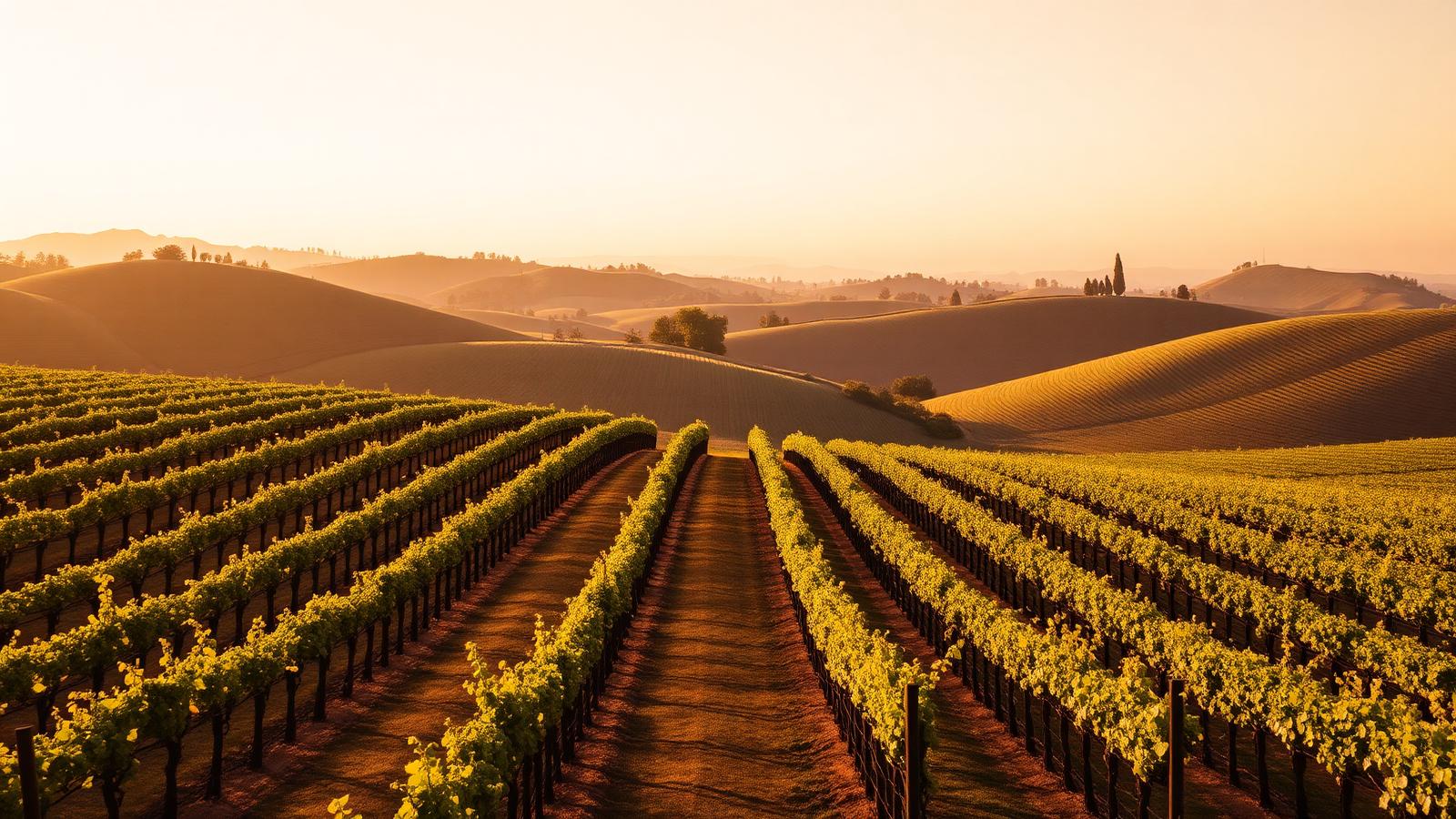
Wines from Rhône Valley tend to reflect the region's climate and terrain more than any single style. Look for a sense of place in the glass — mineral notes from stony soils, freshness where nights are cool, richer texture where the sun lingers longer. A short flight of local wines is the fastest way to feel the range.
Rhythms of the year
Rhône Valley moves with the seasons. Spring is quiet and green, summer brings long light and full terraces, harvest is intense and communal, and winter turns the vineyards into a stark, beautiful sculpture. Every season is a good reason to come — they just make very different trips.
Beyond the tasting room
Some of the most memorable moments in Rhône Valley happen away from the vines: a bakery in the next village over, a viewpoint at sunrise, a slow lunch that turns into a slow afternoon. Leave room in your itinerary for the things you can't plan.
Frequently asked questions
What are the common local dishes and specialties I should try while visiting the Rhône Valley?
The Rhône Valley boasts a rich culinary heritage, deeply tied to its wines. In the north, look for hearty stews, often made with beef or game, braised in local red wine and flavored with herbs. Moving south, the cuisine takes on a more Mediterranean flair, featuring dishes with olives, garlic, and wild herbs. Don't miss locally produced goat cheeses, particularly banons from the southern reaches. Truffles are a seasonal delicacy in winter. And, of course, fresh produce from vibrant local markets will provide a delicious complement to any meal.
What is the best way to travel between the Northern and Southern Rhône wine regions?
To truly appreciate the distinct character of both the Northern and Southern Rhône, renting a car is highly recommended. This offers the flexibility to explore scenic routes, charming villages, and various vineyards at your own pace. The journey between the two main regions is approximately 1.5 to 2 hours by car, primarily along the convenient A7 autoroute. While there are train services connecting larger towns, a car provides unparalleled access to the more remote and picturesque wine-producing areas, allowing for a more immersive and personalized experience.
Are most wine experiences in the Rhône Valley available for walk-ins, or should I book in advance?
While some larger estates, especially in more tourist-frequented areas, might accommodate walk-ins for tastings, it is strongly advised to book all your wine experiences in advance. This is particularly true for visits to smaller, family-run establishments and during peak season. Appointments ensure a personalized experience, as many properties operate with limited staff and often offer more comprehensive tours or tastings. Making reservations also allows you to confirm opening hours and any specific language preferences, ensuring your visit is smooth and enjoyable.