

Côte-Rôtie Wine Guide
Wineries in Côte-Rôtie
View all 19 wineries →Flavors of the Land
The culinary traditions of this part of France are deeply intertwined with the region's agricultural bounty, offering hearty fare that complements the structured wines. Local charcuteries, often rich and expertly seasoned, are a staple, as are game meats and various preparations of lamb, all benefiting from slow cooking. Cheeses from nearby farms, robust and full of character, provide another layer of local flavor. Meals here are not rushed; they are affairs to be savored, accompanied by crusty bread and, of course, the local wines, reflecting the generous spirit of the Rhône Valley and its dedication to wholesome, delicious food.
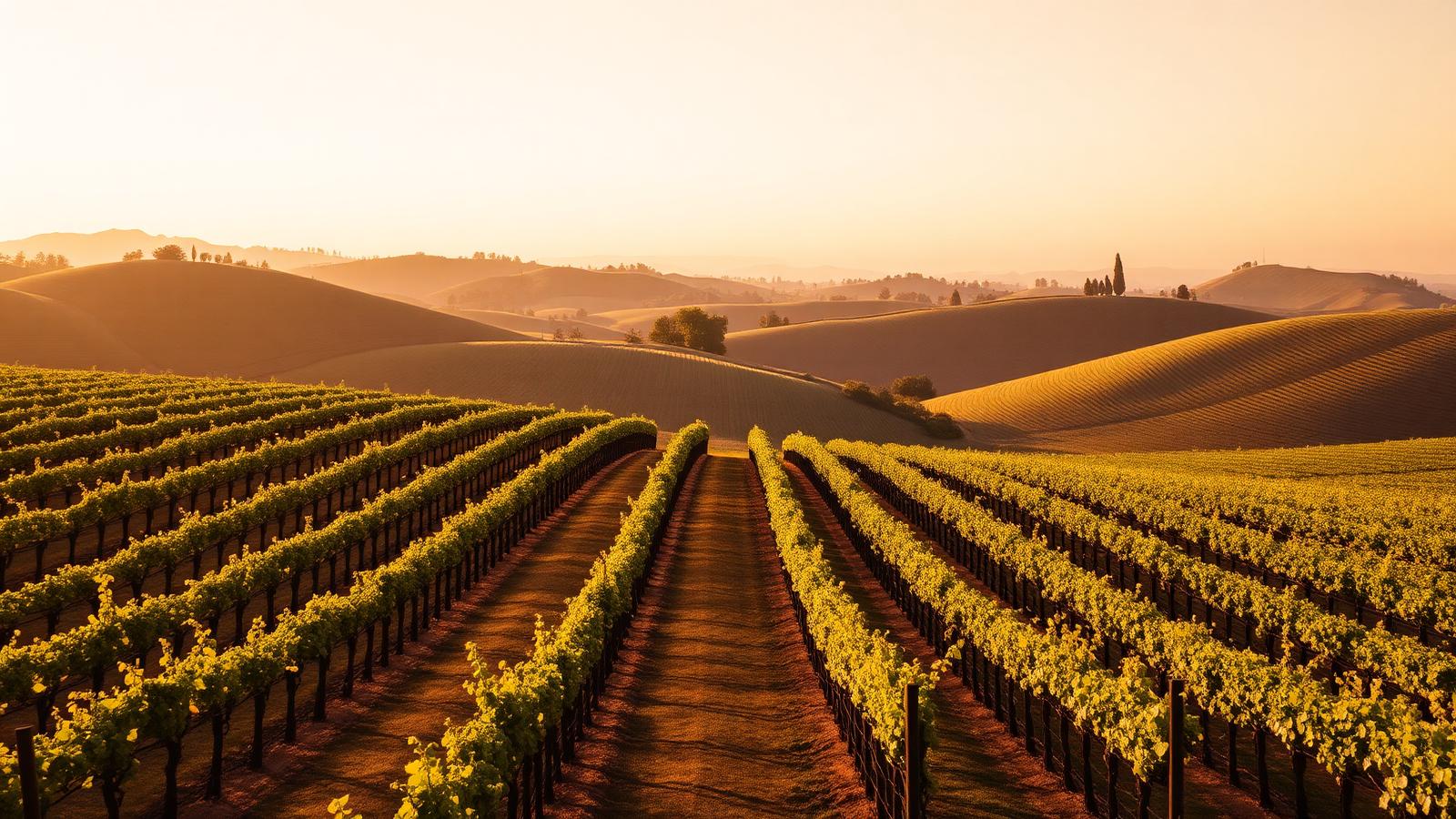
Terraced Vistas & Grapes
The dramatic slopes of Côte-Rôtie are its defining feature, meticulously terraced to capture every ray of sun and prevent erosion. This unique topography creates a microclimate distinct from the broader Rhône, sheltering the vines from harsh winds. Predominantly, it is the grape that reigns here, finding its most exquisite expression in the dark, mineral-rich soils of schist and granite. Often, a small percentage of is co-fermented, adding a delicate floral lift to the robust, savory character of the Syrah, creating wines renowned for their aromatic complexity, firm structure, and lingering finish that speaks of this very place.
Planning a visit to Côte-Rôtie
Best time to visit Côte-Rôtie
Late spring and early autumn are the choices — comfortable weather, generous light, and vineyards at their most photogenic. Summer is warmer and livelier, with long evenings and outdoor tables everywhere. Winter is peaceful, cellars are quiet, and there's a real intimacy to visits without the crowds.
Where to base yourself
The main village or town in Côte-Rôtie is usually the easiest base — it puts you in walking distance of restaurants and daily life, with vineyards a short drive away. Staying in the countryside is quieter and more romantic, but you'll rely more on a car or a driver. Both are valid; pick the mood you want your trip to have.
Getting to Côte-Rôtie
Most travellers reach Côte-Rôtie by combining a flight into the nearest major city with a train, bus, or rental car for the last leg. Once you arrive, distances are usually short — many memorable days here involve less driving than you'd expect.
Making the most of a day in Côte-Rôtie
A good day in Côte-Rôtie tends to have a shape: a slow morning, a couple of unhurried tasting stops, a proper local lunch, and time in the late afternoon to walk, nap, or take in a view. Try not to over-plan — the best moments usually turn up between the ones you scheduled.
Frequently asked questions
What is the best way to explore the steep vineyards of Côte-Rôtie?
Given the incredibly steep and terraced nature of the vineyards, walking tours offer an intimate way to experience the landscape. Be sure to wear sturdy, comfortable shoes. Some areas may be accessible by car, but many of the more dramatic and picturesque spots are best reached on foot. Consider joining a guided walk, which often provides fascinating insights into the viticultural practices and the history of the region, allowing you to appreciate the sheer effort involved in cultivating these unique slopes and their special grapes.
Are there any local markets in the villages for fresh produce or artisanal goods?
Yes, many of the charming villages throughout the Rhône Valley, including those near Côte-Rôtie, host weekly markets. These are wonderful opportunities to immerse yourself in local life, discover fresh seasonal produce, delicious regional cheeses, cured meats, and other artisanal crafts. Inquiry upon arrival about the specific market days and locations will ensure you experience these vibrant community gatherings. It's an excellent way to gather provisions for a picnic among the vines or to simply enjoy the bustling atmosphere and local flavors.
What is the typical climate like during the growing season in Côte-Rôtie?
Côte-Rôtie experiences a continental climate with Mediterranean influences, which means warm, sunny summers and distinct, cooler winters. During the crucial growing season, temperatures are generally pleasant, with ample sunshine, especially on the south and south-east facing slopes. While summers can be warm, the cooling influence of the Mistral wind can also play a significant role, helping to dry the grapes and concentrate their flavors. This unique interplay of elements is fundamental to the character of the wines from this extraordinary region.
What kind of local cuisine should I seek out during my visit?
The cuisine here celebrates rich, earthy flavors that pair wonderfully with the local wines. Look for dishes featuring game, such as wild boar or deer, often slow-cooked with herbs and spices. Regional cheeses, hearty stews (daubes), and a variety of charcuterie are also staples. Don't miss opportunities to try 'ravioles du Dauphiné,' delicate pasta dumplings often served with butter and herbs. The emphasis is on fresh, local ingredients prepared with traditional methods, reflecting the region's agricultural bounty and culinary heritage.