

Burgundy Wineries & Wine Tours
Sub-regions
Village Life & Gastronomy
Life in Burgundy moves to a gentle, contemplative rhythm, dictated by the seasons and the land. Picturesque villages dot the landscape, their stone houses and ancient churches standing as testaments to a rich history. Culinary traditions here are interwoven with the wines, creating an exquisite tapestry of flavors. Rich, slow-cooked dishes like *boeuf bourguignon* and *coq au vin*, prepared with local produce and, of course, the region's own wines, are staples. Artisanal cheeses, pungent and earthy, complement both the white and red wines beautifully. Long, unhurried lunches are not just meals, but revered rituals, celebrating the bounty of the land and the joy of shared company.
The Elegant Grapes
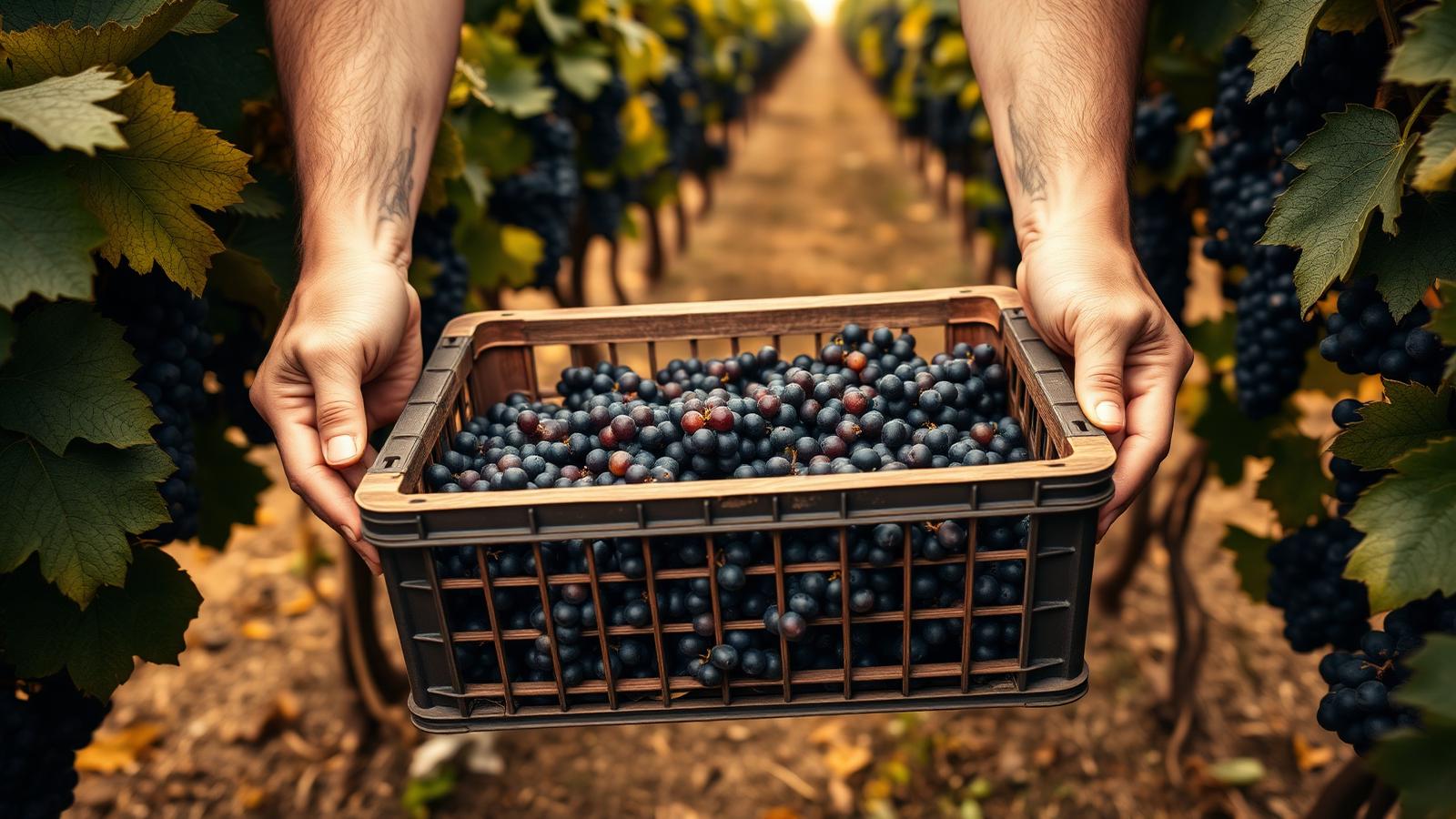
Burgundy is famously the homeland of two noble grape varieties: and . Here, Pinot Noir achieves an ethereal elegance, its delicate skin and finicky nature coaxed into wines of sublime complexity, expressing notes of red berries, forest floor, and often an elusive hint of earth. Chardonnay, in Burgundy, departs from its bolder, warmer-climate brethren to offer wines of crystalline purity, often marked by crisp apple, citrus, and a distinctive minerality, sometimes with a subtle suggestion of hazelnuts and butter from careful barrel aging. These grapes, more than anywhere else, serve as pure conduits for their specific **, reflecting their origins with astonishing clarity.
The Soul of Terroir
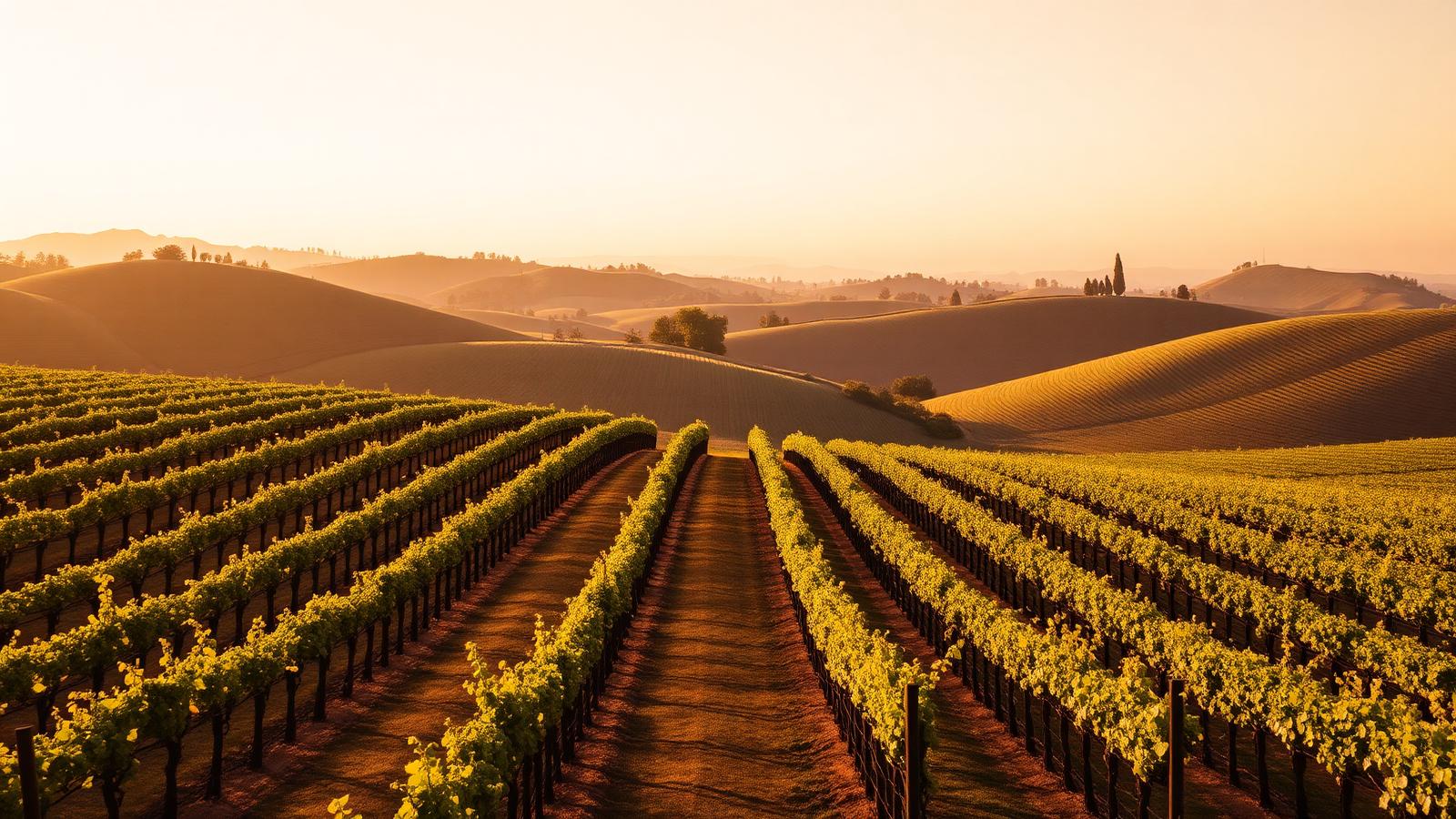
Burgundy's essence lies in its patchwork of tiny parcels, each known as a *climat*, meticulously defined over centuries. Here, the land itself is the star, with subtle variations in soil composition, slope, and sun exposure creating astonishing diversity even within a short distance. The limestone-rich soils, born from ancient seas, imbue the region's signature grapes — and — with an unparalleled minerality and structure. Traveling through, one begins to discern the invisible lines that separate one vineyard from another, understanding how a subtle shift in the earth can translate into a completely different sensory experience in the glass. It's a continuous lesson in the profound magic of place.
Getting to know Burgundy
What Burgundy tastes like
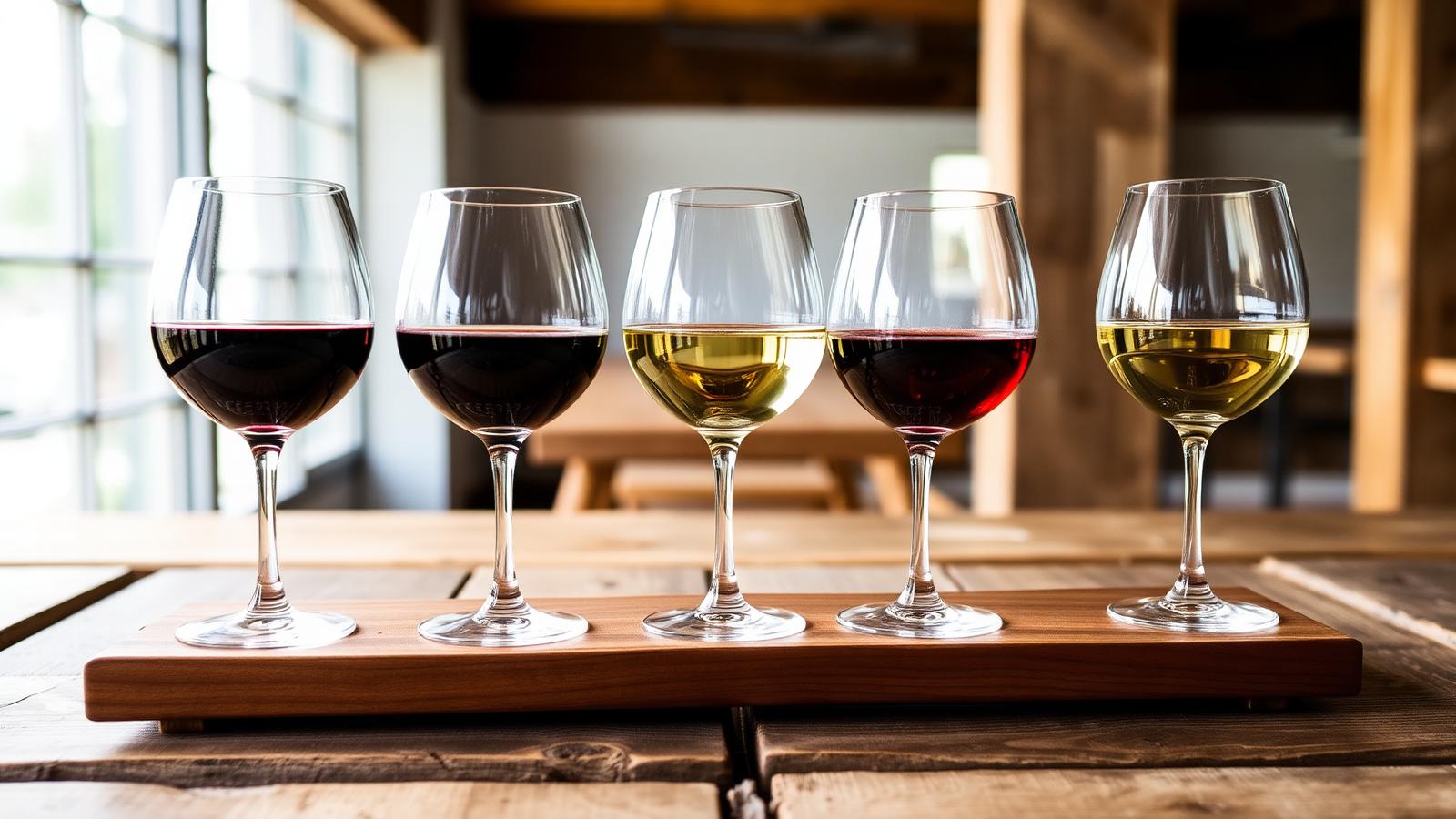
Wines from Burgundy tend to reflect the region's climate and terrain more than any single style. Look for a sense of place in the glass — mineral notes from stony soils, freshness where nights are cool, richer texture where the sun lingers longer. A short flight of local wines is the fastest way to feel the range.
Rhythms of the year
Burgundy moves with the seasons. Spring is quiet and green, summer brings long light and full terraces, harvest is intense and communal, and winter turns the vineyards into a stark, beautiful sculpture. Every season is a good reason to come — they just make very different trips.
Beyond the tasting room
Some of the most memorable moments in Burgundy happen away from the vines: a bakery in the next village over, a viewpoint at sunrise, a slow lunch that turns into a slow afternoon. Leave room in your itinerary for the things you can't plan.
Frequently asked questions
When is the best time of year to visit Burgundy for a wine trip?
The most enchanting times to visit Burgundy are spring (April to early June) and autumn (September to October). In spring, the vineyards burst into vibrant green, and the temperate weather makes for pleasant touring. Autumn, particularly during harvest, offers a captivating atmosphere with bustling activity in the vineyards and cellars, and the changing foliage paints the landscape in stunning hues. Summer (July-August) is also beautiful, but can be warmer and more crowded, while winter allows for a quieter, more contemplative exploration of the region and its cuisine.
What is the typical pace of a wine tour through Burgundy?
A wine tour in Burgundy is best enjoyed at a leisurely, unhurried pace, much like savoring its exceptional wines. Unlike regions where visits might be rushed, Burgundy encourages deep engagement. Expect to spend time discussing the unique characteristics of specific parcels, understanding the history, and appreciating the subtle nuances of each offering. Long lunches are a significant part of the experience, offering time to reflect and enjoy local cuisine. A slower pace allows for true immersion into the region's philosophy and a deeper connection with the land and its traditions.
How should I plan my itinerary to experience both red and white wines?
To fully appreciate both the red and white wines, a balanced itinerary is key. Start your journey in the Côte de Nuits, the heartland of , exploring its famous villages and their rich red expressions. Then, gracefully transition to the Côte de Beaune, where reigns supreme, offering exquisite white wines. Consider dedicating separate days or at least distinct parts of days to each sub-region. Incorporating visits to a few carefully selected producers in each area will provide a comprehensive understanding of Burgundy’s dual vinous personality. Don't forget to incorporate leisurely meals to pair with your discoveries.
Are there any specific cultural experiences unique to Burgundy beyond wine tastings?
Absolutely. Beyond the wine, Burgundy offers a rich tapestry of cultural experiences. Explore the historic towns, with their magnificent Romanesque architecture and charming local markets. Cycling through the vineyards on dedicated routes provides an intimate connection with the landscape. You might stumble upon vibrant village festivals, especially during harvest season, celebrating the region's agricultural heritage. Experiencing the local gastronomy, from traditional *bouchons* to refined dining, showcases the integral role food plays in the regional identity. The slower pace of life itself is a cultural experience, encouraging reflection and appreciation for simple, profound pleasures.