

Côte de Beaune Wine Guide
Wineries in Côte de Beaune
View all 34 wineries →Village Life & Vine Rhythms
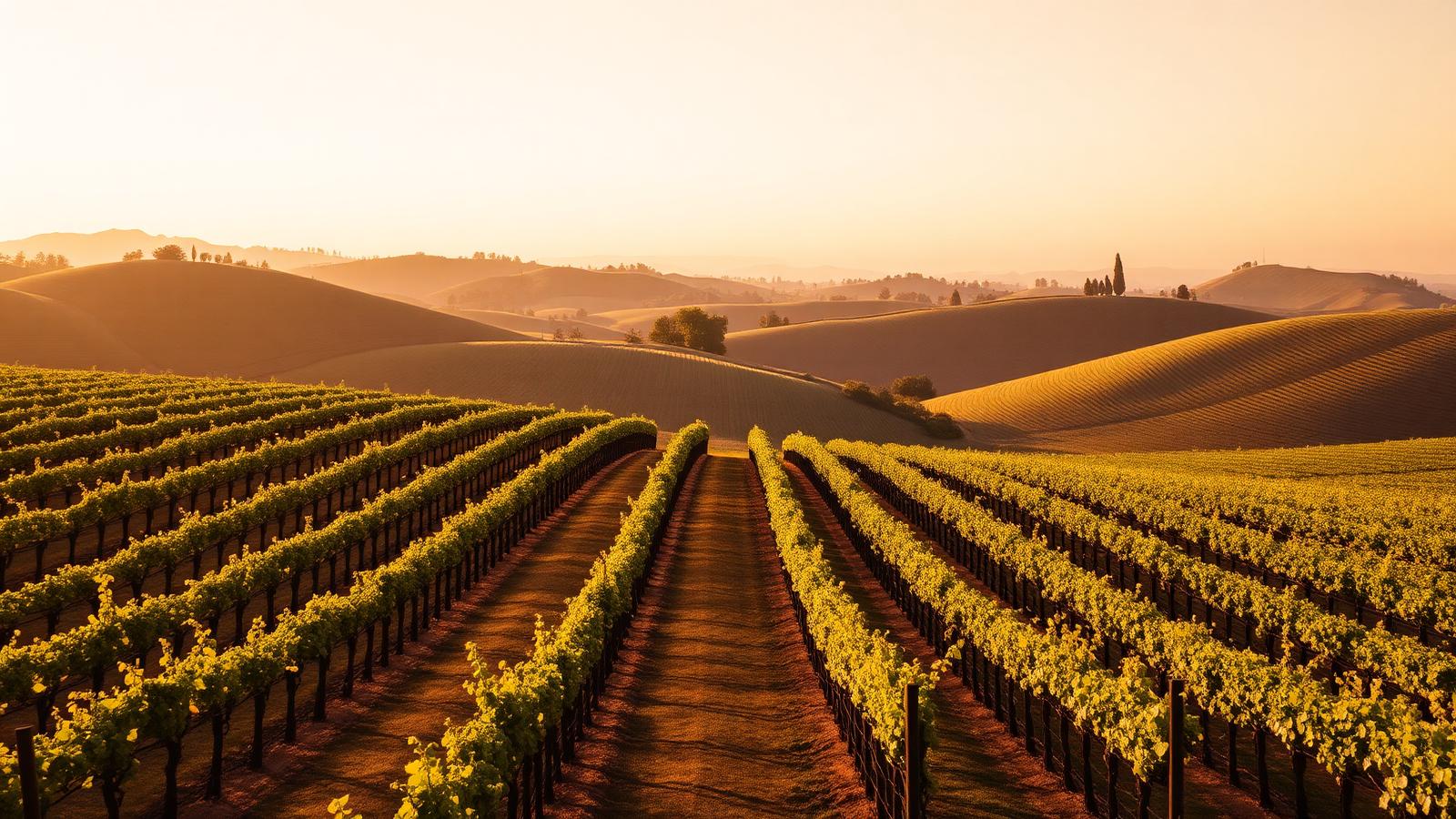
Life in the Côte de Beaune unfolds gracefully, centered around picturesque villages built from pale, honey-colored stone. Narrow lanes wind past ancient churches and homes, many adorned with potted flowers, leading out to the undulating countryside. Here, the landscape is a tapestry of meticulously tended vineyards, interspersed with small forests and fields. A slow day might begin with morning light catching the dew on the vines, followed by the quiet work of vineyard care. Afternoons often involve long, leisurely meals, punctuated by the clinking of glasses. The pace is unhurried, inviting contemplation and a deep appreciation for the beauty of nature and human endeavor.
The Terroir's Whisper
The Côte de Beaune's gentle slopes are a testament to geological artistry, featuring a captivating array of limestone and marl soils. This intricate composition, often varying parcel by parcel, is the very soul of its wines, imparting distinct minerality and structure. The microclimates here are surprisingly diverse, even over short distances, with subtle shifts in elevation, aspect, and wind patterns influencing the grapes. These nuanced conditions are meticulously understood by local vignerons, who select particular varietals for specific plots, ensuring each vine thrives. It's this deep connection to the earth that defines the region's character, creating wines that are both profound and intimately expressive of their origin.
Planning a visit to Côte de Beaune
Best time to visit Côte de Beaune
Late spring and early autumn are the choices — comfortable weather, generous light, and vineyards at their most photogenic. Summer is warmer and livelier, with long evenings and outdoor tables everywhere. Winter is peaceful, cellars are quiet, and there's a real intimacy to visits without the crowds.
Where to base yourself
The main village or town in Côte de Beaune is usually the easiest base — it puts you in walking distance of restaurants and daily life, with vineyards a short drive away. Staying in the countryside is quieter and more romantic, but you'll rely more on a car or a driver. Both are valid; pick the mood you want your trip to have.
Getting to Côte de Beaune
Most travellers reach Côte de Beaune by combining a flight into the nearest major city with a train, bus, or rental car for the last leg. Once you arrive, distances are usually short — many memorable days here involve less driving than you'd expect.
Making the most of a day in Côte de Beaune
A good day in Côte de Beaune tends to have a shape: a slow morning, a couple of unhurried tasting stops, a proper local lunch, and time in the late afternoon to walk, nap, or take in a view. Try not to over-plan — the best moments usually turn up between the ones you scheduled.
Frequently asked questions
What is the best way to travel between the charming villages and vineyards in the Côte de Beaune?
Renting a car offers the most flexibility, allowing you to explore at your own pace and discover hidden gems. However, cycling is a highly recommended and delightful way to experience the picturesque countryside, with many well-maintained small roads winding through the vineyards. For those who prefer not to drive, taxis or pre-booked private drivers are available, though less spontaneous. Consider combining methods: perhaps cycling for a day trip between nearby villages and driving for longer distances.
What is the ideal season to visit the Côte de Beaune for a wine-focused trip?
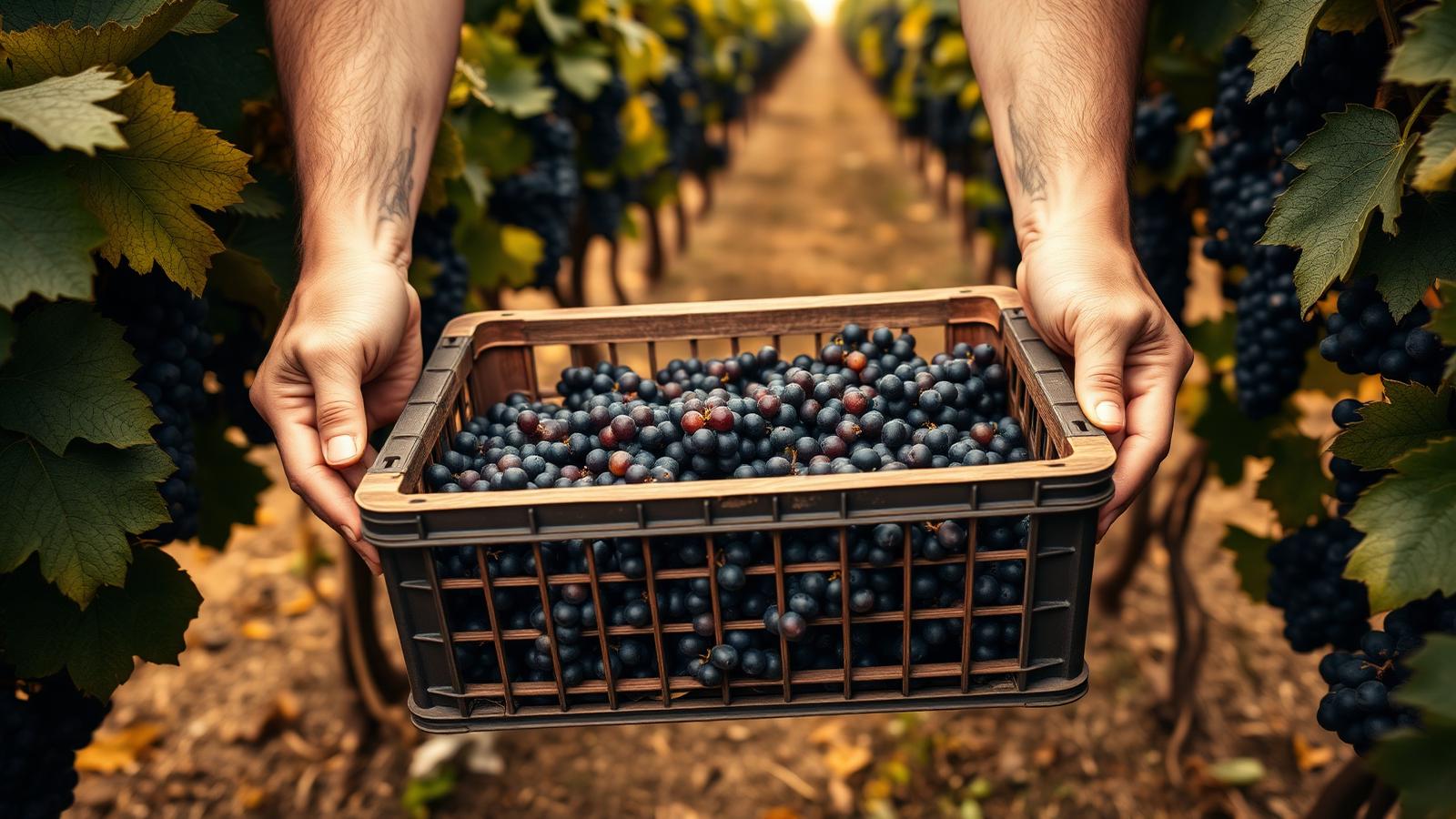
Each season offers its own unique charm. Spring (April-May) brings vibrant green growth to the vineyards and pleasant weather, ideal for walking and cycling. Summer (June-August) is warm and lively, perfect for alfresco dining, though it can be busy. However, many consider autumn (September-October), specifically during harvest, to be the most magical time. The air is crisp, the colours are golden, and there's a palpable energy as grapes are brought in, offering a truly immersive experience.
Are there opportunities to learn more about the winemaking process without a private tour?
Absolutely. Many of the region's wine houses and cooperatives offer public tasting experiences and tours of their facilities, often including a visit to their cellars. These provide an excellent introduction to the local winemaking traditions and distinct styles. Additionally, educational panels and signage are increasingly common in and around vineyard parcels in certain villages, offering insights into the history and of specific plots. Local tourism offices can provide schedules and recommendations for these experiences.
What local specialties should I look for beyond wine to truly experience the regional culture?
Beyond the exquisite wines, Burgundy offers a wealth of gastronomic delights. Be sure to seek out local cheeses, such as the creamy Époisses or the nutty Comté. Dijon mustard, of course, is a must, and you'll find artisanal varieties far superior to those found elsewhere. Look for pain d'épices (gingerbread), blackcurrant liqueurs like Crème de Cassis, and various charcuterie. Exploring local markets in Beaune or other villages will offer a wonderful opportunity to discover these regional treasures and engage with local producers.