

Loire Valley Wineries & Wine Tours
Sub-regions
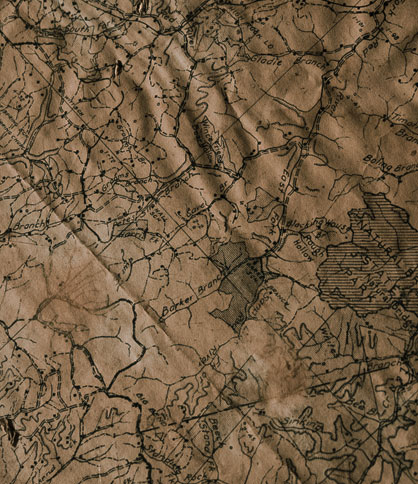
Culinary Harmonies
The culinary traditions of the Loire Valley are deeply intertwined with its wines. Imagine long, sun-drenched lunches featuring pike or salmon caught fresh from the river, perhaps a succulent fowl from the local farms, or a creamy goat’s cheese from Sainte-Maure. The produce here is vibrant and seasonal, inspiring dishes that are deceptively simple yet profoundly flavorful. Each meal becomes a celebration, a seamless pairing of the region’s bounty with a perfectly chosen bottle, underscoring the valley’s philosophy that great food and great wine are truly inseparable.
Grapes of Distinction and Grace
In the Loire, specific grapes find their purest expression, defining entire sub-regions with their character. , a chameleon of a grape, transforms from bone-dry and sparkling, hinting at apples and honey, to lusciously sweet and age-worthy, redolent of quince and saffron. offers vibrant red fruit, herbaceous notes, and a refreshing acidity that perfectly complements local fare. , further upriver, reveals its gooseberry and smoky flint notes. These varietals, coaxed by skilled hands from diverse soils, embody the valley’s commitment to elegant, expressive, and food-friendly wines.
A Spectrum of Terroirs
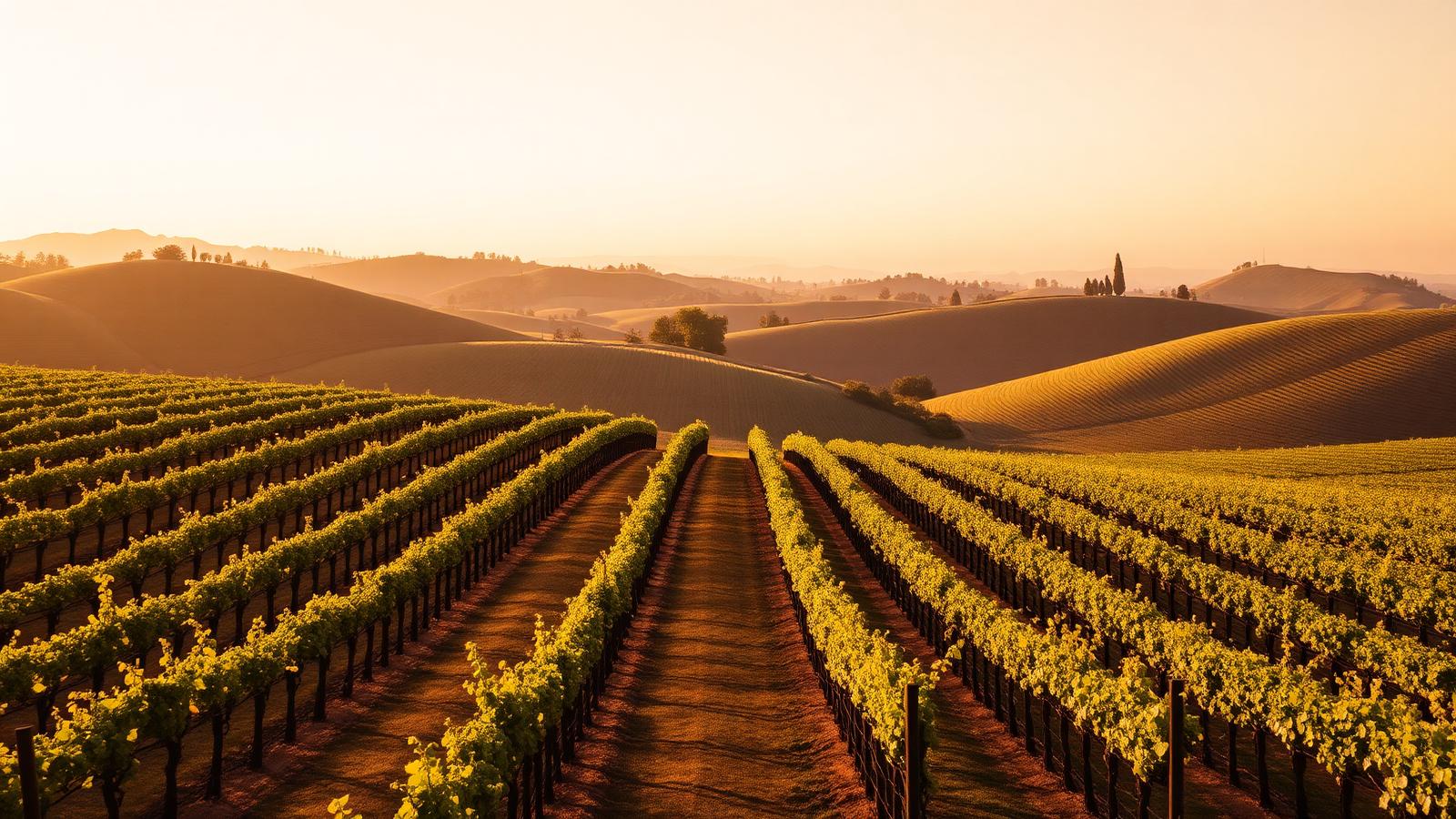
The elongated embrace of the Loire River cultivates an extraordinary array of terroirs, stretching from the Atlantic breezes near Nantes to the continental warmth of Sancerre and Pouilly-Fumé. This geological diversity gifts the region its distinct wine profiles. Limestone, schist, flint, and clay soils imbue the grapes with unique characteristics, shaping the acidity and mineral notes that are the hallmarks of Loire wines. Whether it’s the crisp purity of a western white or the stone fruit elegance of an eastern red, the land here speaks with an articulate voice, telling tales of its ancient origins and the subtle hands that tend it.
Getting to know Loire Valley
What Loire Valley tastes like
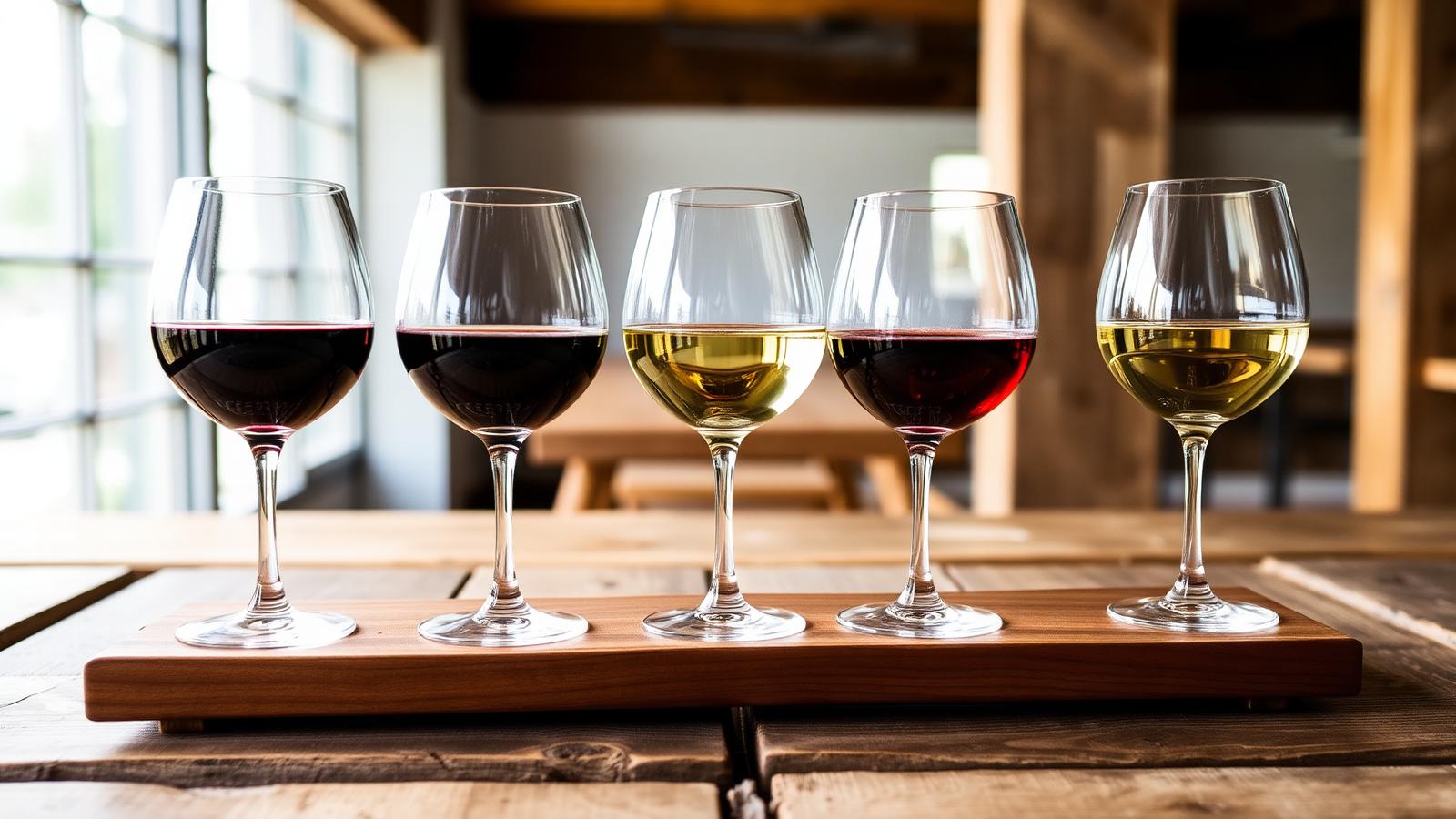
Wines from Loire Valley tend to reflect the region's climate and terrain more than any single style. Look for a sense of place in the glass — mineral notes from stony soils, freshness where nights are cool, richer texture where the sun lingers longer. A short flight of local wines is the fastest way to feel the range.
Rhythms of the year
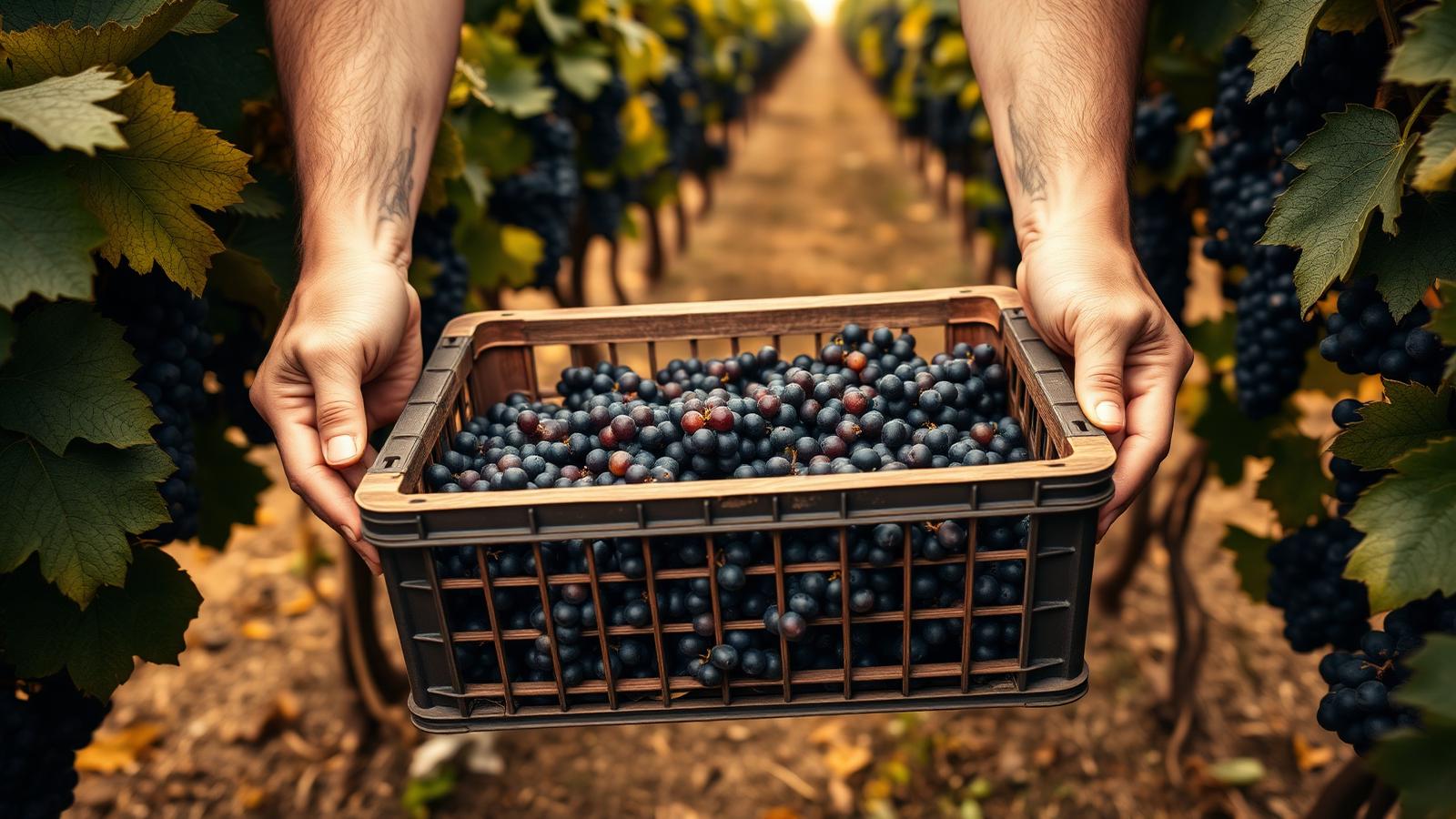
Loire Valley moves with the seasons. Spring is quiet and green, summer brings long light and full terraces, harvest is intense and communal, and winter turns the vineyards into a stark, beautiful sculpture. Every season is a good reason to come — they just make very different trips.
Beyond the tasting room
Some of the most memorable moments in Loire Valley happen away from the vines: a bakery in the next village over, a viewpoint at sunrise, a slow lunch that turns into a slow afternoon. Leave room in your itinerary for the things you can't plan.
Frequently asked questions
What is the best time of year to visit the Loire Valley for wine touring?
The most enchanting times to visit are late spring (May-June) or early autumn (September-October). In spring, the vineyards burst with new growth, and the weather is generally mild and pleasant, perfect for leisurely exploration. Autumn brings the excitement of harvest, vibrant foliage, and often sunny, crisp days ideal for tasting. Summer (July-August) can be lovely but also warmer and busier with tourists, while winter offers a tranquil, quieter experience, though many smaller wine establishments might have reduced hours.
How should I plan my itinerary to best experience the different wine styles?
The Loire is vast, so focus on a specific sub-region or two for a deeper dive. For crisp whites and sparkling, explore the western reaches around Nantes and Anjou-Saumur. If elegant reds and dry whites beckon, the central Touraine region is ideal, extending to the world-renowned Sauvignon Blancs of Sancerre and Pouilly-Fumé further east. Consider renting a car for flexibility, as public transport can be limited between smaller villages and estates. Pacing yourself is key to enjoying the relaxed rhythm of the valley.
Are there any local customs or etiquette I should be aware of when visiting?
A relaxed etiquette prevails in the Loire, reflecting its laid-back charm. Always offer a polite 'Bonjour' upon entering any establishment and 'Merci' when leaving. It's customary to ask before taking photos, especially in more intimate settings. While tasting, it's perfectly acceptable to spit the wine, particularly if you're visiting multiple venues throughout the day. Engaging with locals and showing genuine interest in their craft is always appreciated, and a few French phrases will go a long way in enriching your experience.
What are the common transportation options for navigating the Loire Valley?
For optimal flexibility and to reach smaller, more remote establishments, renting a car is highly recommended. The roads are generally well-maintained and scenic. Train services connect major towns like Tours, Angers, and Orléans, from which you can then take local buses or taxis to surrounding areas. Cycling is also a popular and delightful way to explore certain wine routes, especially the well-maintained 'Loire à Vélo' paths, for those who wish to combine exercise with their discoveries.