

Anjou Wine Guide
Anjou's Vineyard Palette
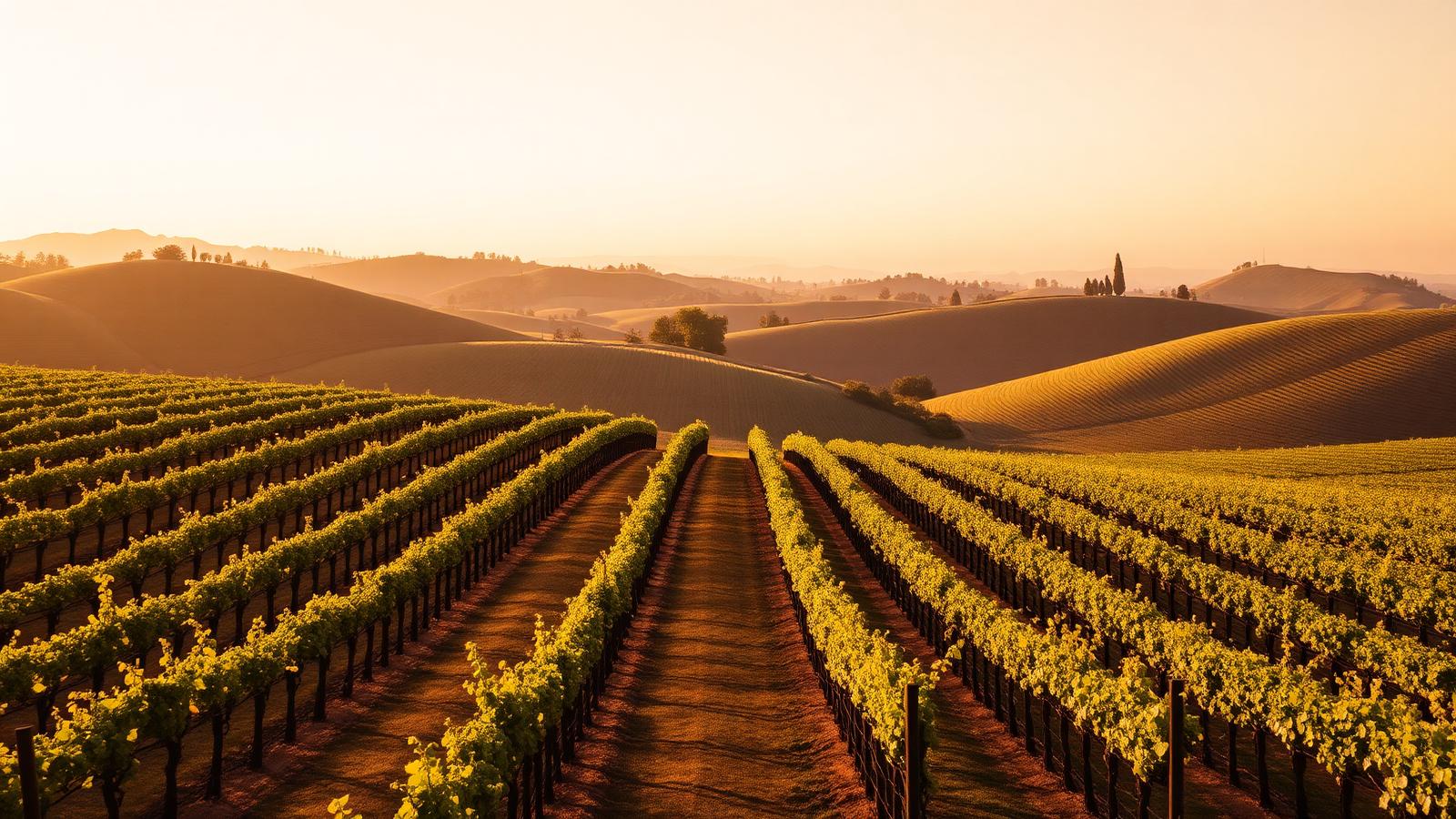
Anjou’s vineyards are predominantly dedicated to just two noble varieties, yet the range of wines they produce is astonishing. , the undisputed queen, thrives in these soils, yielding everything from the austere, age-worthy dry whites of a particular to the lusciously sweet, botrytised nectars of its southern slopes, imbued with notes of honey, apricot, and quince. reigns supreme among the reds, offering vibrant, aromatic wines with hints of red berry, violet, and a characteristic leafy freshness, reflecting the cool elegance of its home. There are also delicate rosé d'Anjou wines, light and joyful, perfect for a sunny afternoon.
The Soul of the Soil
The of Anjou is a captivating mosaic, fundamentally shaped by its ancient geology and the benevolent presence of the Loire. Beneath the rolling vineyards lies a complex tapestry of black schist and volcanic rocks, remnants of a bygone oceanic era, bestowing upon the wines a distinct minerality and structure. Interspersed are veins of tufa, a soft limestone that contributes to the elegance and freshness found in many of the region's expressions. This diverse subterranean world, coupled with the unique microclimate—protected from harsh Atlantic winds, yet cooled by river breezes—allows the and grapes to achieve their full, nuanced potential, creating wines of profound character.
Planning a visit to Anjou
Best time to visit Anjou
Late spring and early autumn are the choices — comfortable weather, generous light, and vineyards at their most photogenic. Summer is warmer and livelier, with long evenings and outdoor tables everywhere. Winter is peaceful, cellars are quiet, and there's a real intimacy to visits without the crowds.
Where to base yourself
The main village or town in Anjou is usually the easiest base — it puts you in walking distance of restaurants and daily life, with vineyards a short drive away. Staying in the countryside is quieter and more romantic, but you'll rely more on a car or a driver. Both are valid; pick the mood you want your trip to have.
Getting to Anjou
Most travellers reach Anjou by combining a flight into the nearest major city with a train, bus, or rental car for the last leg. Once you arrive, distances are usually short — many memorable days here involve less driving than you'd expect.
Making the most of a day in Anjou
A good day in Anjou tends to have a shape: a slow morning, a couple of unhurried tasting stops, a proper local lunch, and time in the late afternoon to walk, nap, or take in a view. Try not to over-plan — the best moments usually turn up between the ones you scheduled.
Frequently asked questions
What is the best time of year to visit Anjou for wine touring?
The shoulder seasons, late spring (May-June) and early autumn (September-October), offer particularly charming experiences. In spring, the vineyards are vibrant green, the weather is mild, and the countryside is in bloom, while autumn brings the excitement of harvest, golden foliage, and often sunny, crisp days perfect for exploring. Summer (July-August) can be warm and lively, but may require advance bookings. Winter is quieter, ideal for a more intimate, reflective visit, though some establishments might have reduced hours.
What kind of transportation is best for exploring the Anjou wine region?
While regional trains connect larger towns, a personal vehicle is highly recommended for truly exploring Anjou's rural charm. This allows you the flexibility to wander off the main routes, discover smaller villages, and visit the more secluded vineyards at your own pace. Bicycles are also a wonderful option for exploring the flatter stretches along the Loire and Layon rivers, with numerous dedicated cycling paths offering scenic routes between some of the more accessible wine-producing areas and charming villages.
Are English speakers common in the Anjou wine region?
While Anjou is becoming a more recognized destination, it's still less touristed than some other French wine regions. In larger towns and more established visitor centers, you'll likely find English speakers. However, in smaller villages and family-run establishments, some basic French will be greatly appreciated and can significantly enhance your experience. A willingness to try a few French phrases, even if imperfect, often opens doors and encourages warm interactions with locals who are proud to share their region with you.
What local specialties or souvenirs should I look for in Anjou?
Beyond the exquisite wines, Anjou offers a delightful array of culinary and craft souvenirs. Look for authentic rillettes, often sold in charming ceramic pots, or local honey and artisanal jams made from the abundant orchards. Delicious butter cookies and cakes, sometimes flavored with local fruits or spirits, make wonderful gifts. Craft markets might reveal handcrafted pottery, textiles, or items made from the local tufa stone. Of course, a few carefully selected bottles of Anjou's diverse wines will be the most cherished memento of your visit.