
Champagne Wineries & Wine Tours
Sub-regions
Villages of Vigneron Heritage
Beyond the grand avenues, Champagne's charm resides in its quiet villages, where stone houses cling to hillsides and centuries of winemaking tradition breathe life into every street. Here, the pace slows, inviting contemplation. You might encounter families tending their small plots with generations of wisdom, the rhythm of their lives deeply connected to the seasons and the vine. These are places where stories are shared over long, unhurried lunches, and where the unassuming façade of a building often conceals a treasure trove of historical cellars, echoing with the patient work of and aging. The air often carries the subtle scent of damp earth and fermenting must, a palpable connection to the ongoing cycle of winemaking.
The Terroir's Embrace
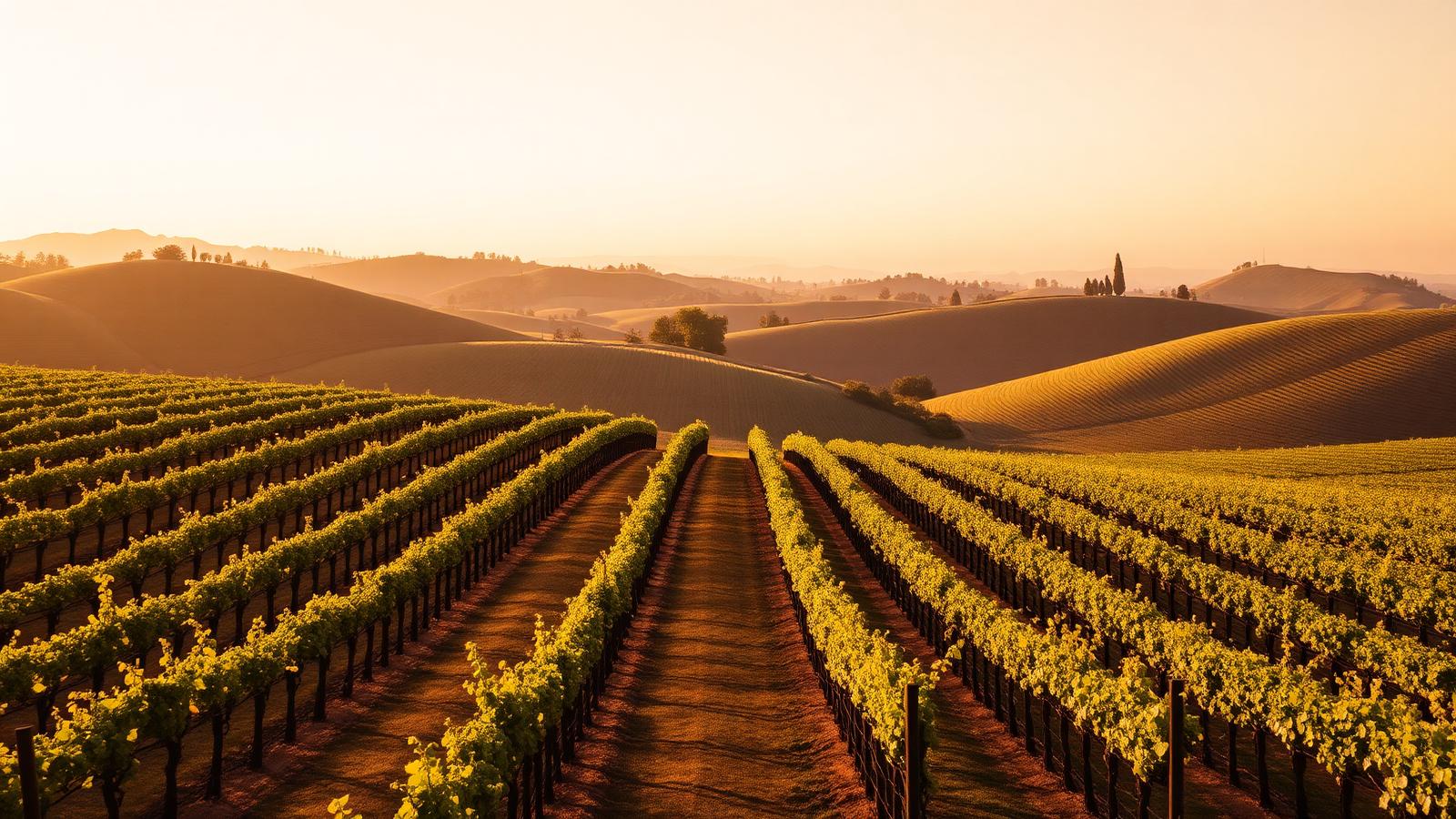
Beneath Champagne's verdant slopes lies its beating heart: the extraordinary chalk soil. This ancient marine sediment, rich in minerals, provides impeccable drainage while retaining just enough moisture to nourish the vines through drier periods. It is this unique foundation, combined with the region's cool, continental climate, that bestows upon the , , and Meunier grapes their distinctive tension and minerality. The gentle undulations of the land, carved by millennia of geological shifts, create a mosaic of sun-kissed vineyards and shaded valleys, each contributing a nuanced thread to the complex tapestry of the final blend.
Getting to know Champagne
What Champagne tastes like
Wines from Champagne tend to reflect the region's climate and terrain more than any single style. Look for a sense of place in the glass — mineral notes from stony soils, freshness where nights are cool, richer texture where the sun lingers longer. A short flight of local wines is the fastest way to feel the range.
Rhythms of the year
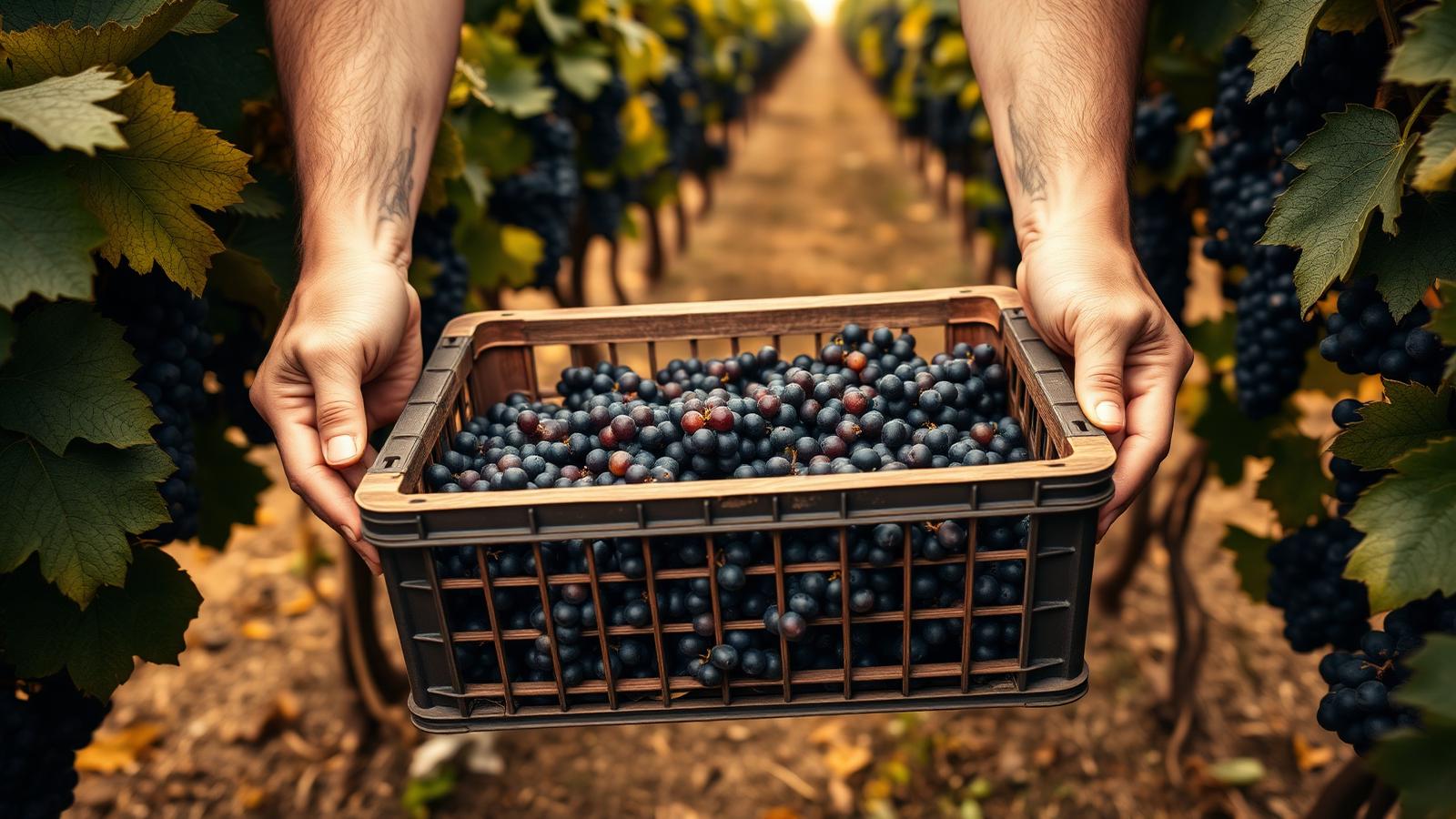
Champagne moves with the seasons. Spring is quiet and green, summer brings long light and full terraces, harvest is intense and communal, and winter turns the vineyards into a stark, beautiful sculpture. Every season is a good reason to come — they just make very different trips.
Beyond the tasting room
Some of the most memorable moments in Champagne happen away from the vines: a bakery in the next village over, a viewpoint at sunrise, a slow lunch that turns into a slow afternoon. Leave room in your itinerary for the things you can't plan.
Frequently asked questions
When is the best time to visit Champagne for a wine tour?
The ideal time to visit Champagne is typically from late spring (May-June) through early autumn (September-October). During these months, the weather is generally pleasant, the vineyards are lush, and many of the smaller wine houses and tasting rooms are fully operational. Harvest season in September is particularly vibrant, offering a glimpse into the bustling activity of grape picking and initial production, though it can be a busier time for accommodations. While winter offers a quieter, more reflective experience, some establishments may have reduced hours.
How should I plan my itinerary to explore the region effectively?
To truly experience Champagne, consider dividing your time between the main towns and the more picturesque routes through the smaller villages. Prioritize visiting a few different styles of establishments – perhaps a larger, well-known house for a comprehensive tour, and several smaller, family-run producers for more intimate tastings. Factor in plenty of time for leisurely drives through the vineyard landscapes, stopping at local boulangeries and enjoying the regional cuisine. Booking tours and tastings in advance, especially for smaller producers or during peak season, is highly recommended.
What is the best way to travel between vineyards and villages?
Renting a car is often the most flexible and convenient way to explore Champagne, allowing you to venture off the beaten path and discover charming, less-trafficked villages and smaller producers. The roads are generally well-maintained and signage is clear. Alternatively, taxis and private drivers are available, though they can be more costly. For those who prefer not to drive, guided tours from larger towns provide structured itineraries and handle transportation. Some areas also offer bicycles for rent, perfect for gentle rides through the flatter vineyard routes.
Are there suitable accommodation options for various budgets?
Champagne offers a diverse range of accommodation, catering to different preferences and budgets. In the larger towns like Reims and Epernay, you'll find a of hotels, from luxurious establishments to more modest boutique options. As you venture into the smaller villages, charming guesthouses and bed-and-breakfasts, often family-run, become more prevalent, offering an authentic local experience. Booking well in advance is always advisable, particularly during peak season or for specific events like harvest, to secure your preferred stay at a good value.