

Côte des Bar Wine Guide
Wineries in Côte des Bar
View all 62 wineries →The Soul of Pinot Noir
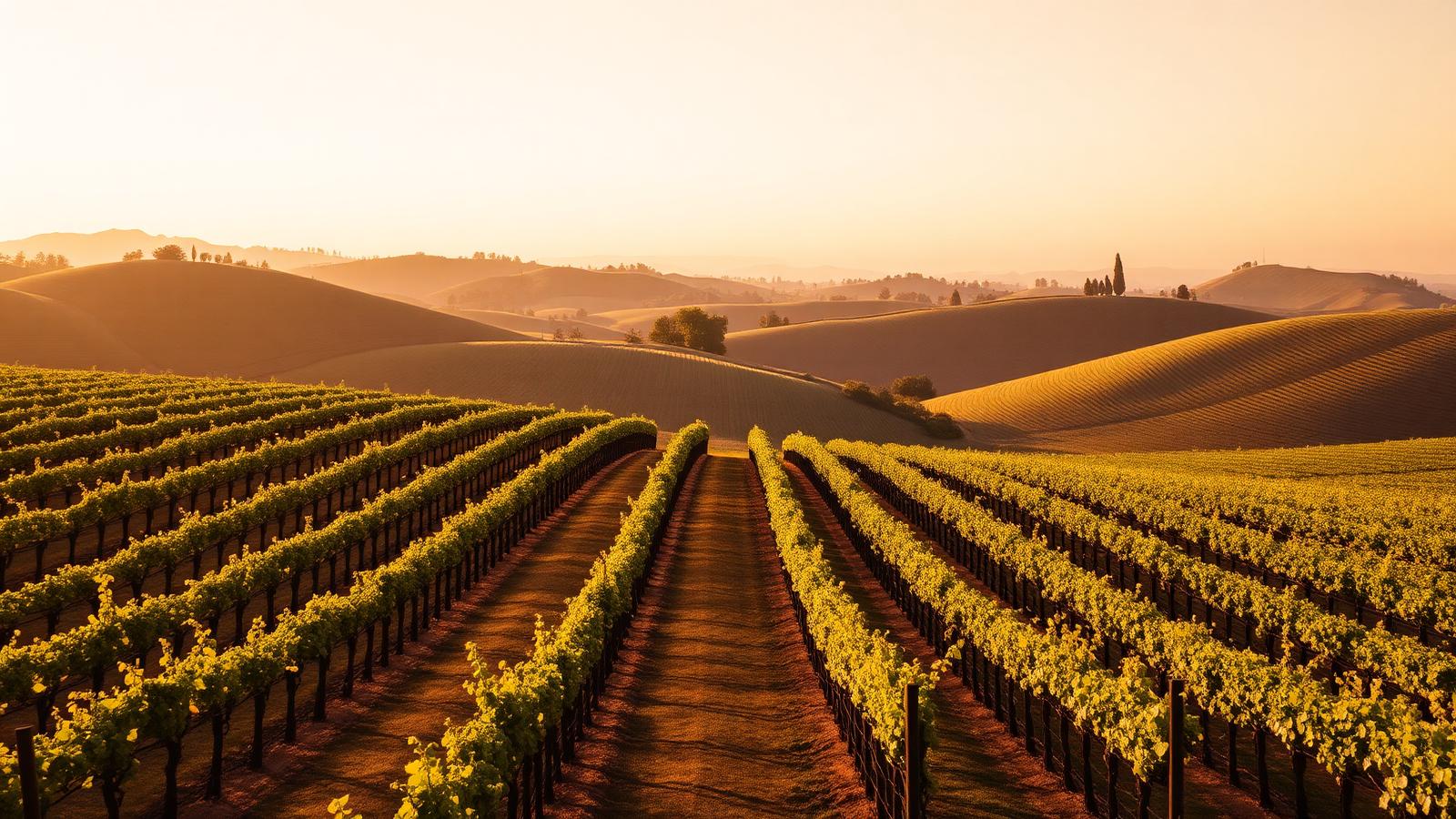
The Côte des Bar’s deeply fissured Kimmeridgian marl, interspersed with pockets of clay and limestone, creates an ideal cradle for . This grape, while prevalent throughout Champagne, finds a unique voice here, shaped by the slightly warmer microclimate and the ancient fossil-rich soils. The resulting wines often display a generous fruitiness – hints of wild cherry, raspberry, and often a touch of forest floor – balanced by a vibrant acidity and a compelling minerality that speaks of the land’s geological past. These expressive Pinot Noirs form the backbone of many celebrated cuvées, offering both richness and finesse, a true reflection of their origins.
Planning a visit to Côte des Bar
Best time to visit Côte des Bar
Late spring and early autumn are the choices — comfortable weather, generous light, and vineyards at their most photogenic. Summer is warmer and livelier, with long evenings and outdoor tables everywhere. Winter is peaceful, cellars are quiet, and there's a real intimacy to visits without the crowds.
Where to base yourself
The main village or town in Côte des Bar is usually the easiest base — it puts you in walking distance of restaurants and daily life, with vineyards a short drive away. Staying in the countryside is quieter and more romantic, but you'll rely more on a car or a driver. Both are valid; pick the mood you want your trip to have.
Getting to Côte des Bar
Most travellers reach Côte des Bar by combining a flight into the nearest major city with a train, bus, or rental car for the last leg. Once you arrive, distances are usually short — many memorable days here involve less driving than you'd expect.
Making the most of a day in Côte des Bar
A good day in Côte des Bar tends to have a shape: a slow morning, a couple of unhurried tasting stops, a proper local lunch, and time in the late afternoon to walk, nap, or take in a view. Try not to over-plan — the best moments usually turn up between the ones you scheduled.
Frequently asked questions
What is the best way to travel between villages in the Côte des Bar?
To truly immerse yourself in the gentle undulations of the Côte des Bar and discover its charming villages and hidden vineyards, a car is highly recommended. Public transport options are limited, and having your own vehicle allows for the flexibility to explore at your own pace, stopping at scenic viewpoints or small, family-run establishments as you wish. The roads are generally well-maintained and offer delightful drives through the verdant countryside, revealing the region's intimate character around every bend.
What local culinary specialities should I look for in the Côte des Bar?
When visiting the Côte des Bar, be sure to seek out local specialities that reflect the region's rich agricultural heritage. Chaource cheese, a soft, creamy cow's milk cheese with a delicate flavour, is a must-try, often enjoyed with a glass of local . Other delights include regional patés, artisanal cured meats, and, if visiting in autumn or winter, local truffles. Many village markets and small shops offer these gastronomic treasures, providing a true taste of the local .
Is it easy to visit cellars and taste wines in the Côte des Bar?
Yes, visiting the cellars and tasting the distinctive wines of the Côte des Bar is a rewarding experience. The region is known for its smaller, often family-run establishments, where a warm welcome is customary. While many houses are open for impromptu visits, especially during peak season, it’s always a good idea to call ahead, particularly for smaller producers, to ensure someone is available to host you. This also allows for a more personal and intimate tasting experience, often directly with the grower.
What is the general pace of life like for a visitor in the Côte des Bar?
Life in the Côte des Bar moves at a decidedly unhurried pace, inviting visitors to unwind and savour the moment. Unlike busier tourist destinations, this region encourages a slower, more contemplative approach to travel. Days can be filled with gentle explorations of vineyards, leisurely lunches in a village bistro, or quiet contemplation amidst the scenic beauty. Embrace the calm, allow for spontaneity, and let the rhythms of the countryside guide your experience, fostering a genuine connection with this authentic corner of France.