

Montagne de Reims Wine Guide
Wineries in Montagne de Reims
View all 134 wineries →Culinary Harmonies
Dining within the Montagne de Reims is an affair of unhurried pleasure, where the region’s culinary traditions beautifully complement its wines. Imagine long, sun-drenched lunches featuring regional specialities like Chaource cheese, its creamy texture a delightful contrast to the sparkling acidity, or Reims ham, delicate and subtly smoked. The hearty, rustic dishes of the Champagne region, often incorporating local pork and freshwater fish, find a perfect pairing in the structured, fruit-forward wines. Even a simple baguette with local butter, enjoyed al fresco amidst the vines, transforms into a gastronomic experience, allowing the wine to truly shine alongside the authentic flavours of the countryside.
Signature Styles and Flavors
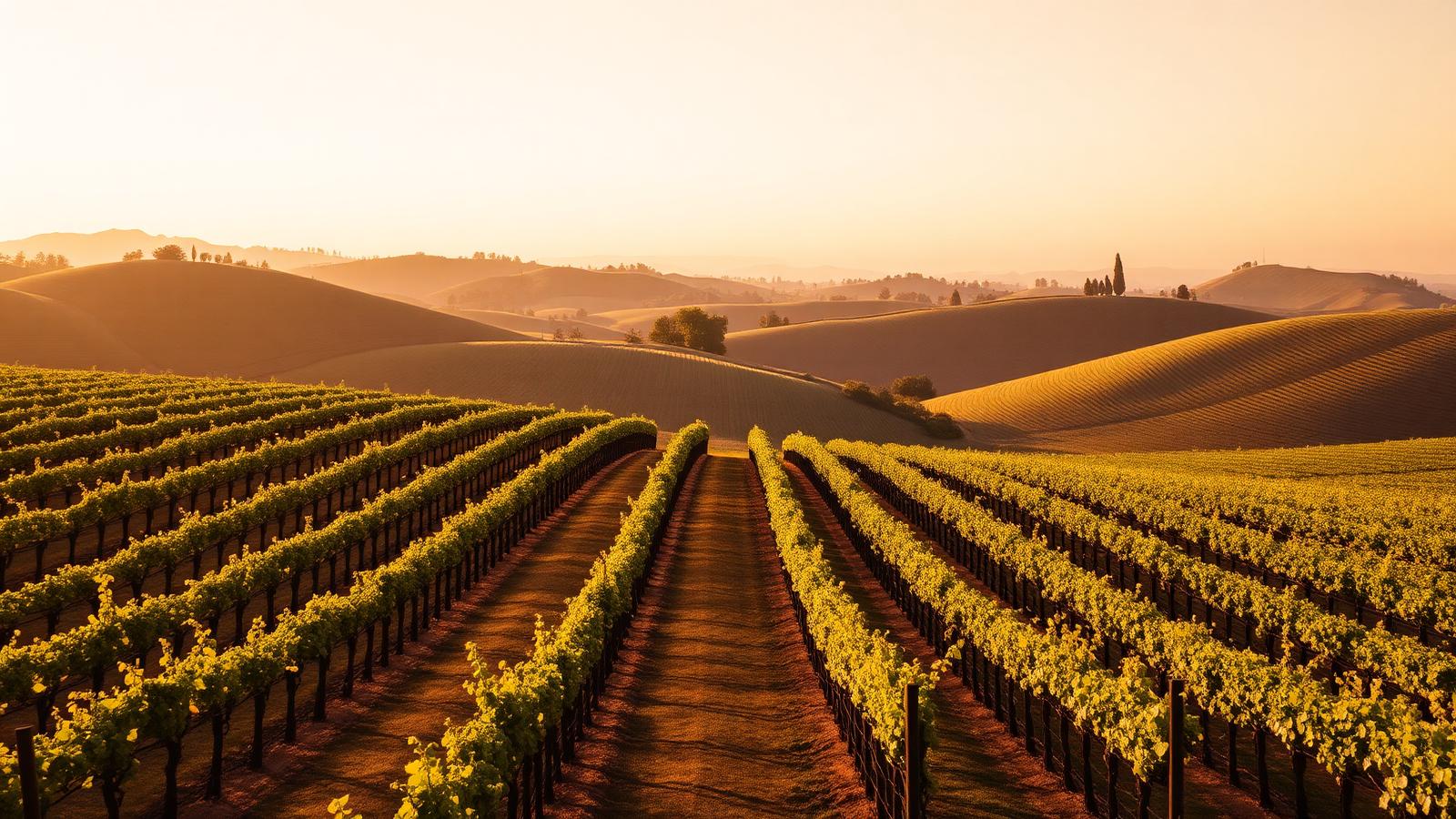
The wines of the Montagne de Reims are renowned for their strength, depth, and a compelling structure owed largely to the dominance of . Expect a symphony of red fruit aromas – ripe cherry, raspberry, and hints of wild strawberry – often intertwined with notes of toasted brioche, almond, and a distinctive chalky minerality. These wines typically exhibit a fuller body and a longer finish, providing a powerful yet elegant expression of their origin. Whether enjoyed in their youthful vibrancy or after years of patient cellaring, they reveal layers of complexity, evolving beautifully to showcase an intricate balance of fruit, acidity, and that signature, nuanced oxidative character unique to extended lees aging.
The Terroir's Embrace
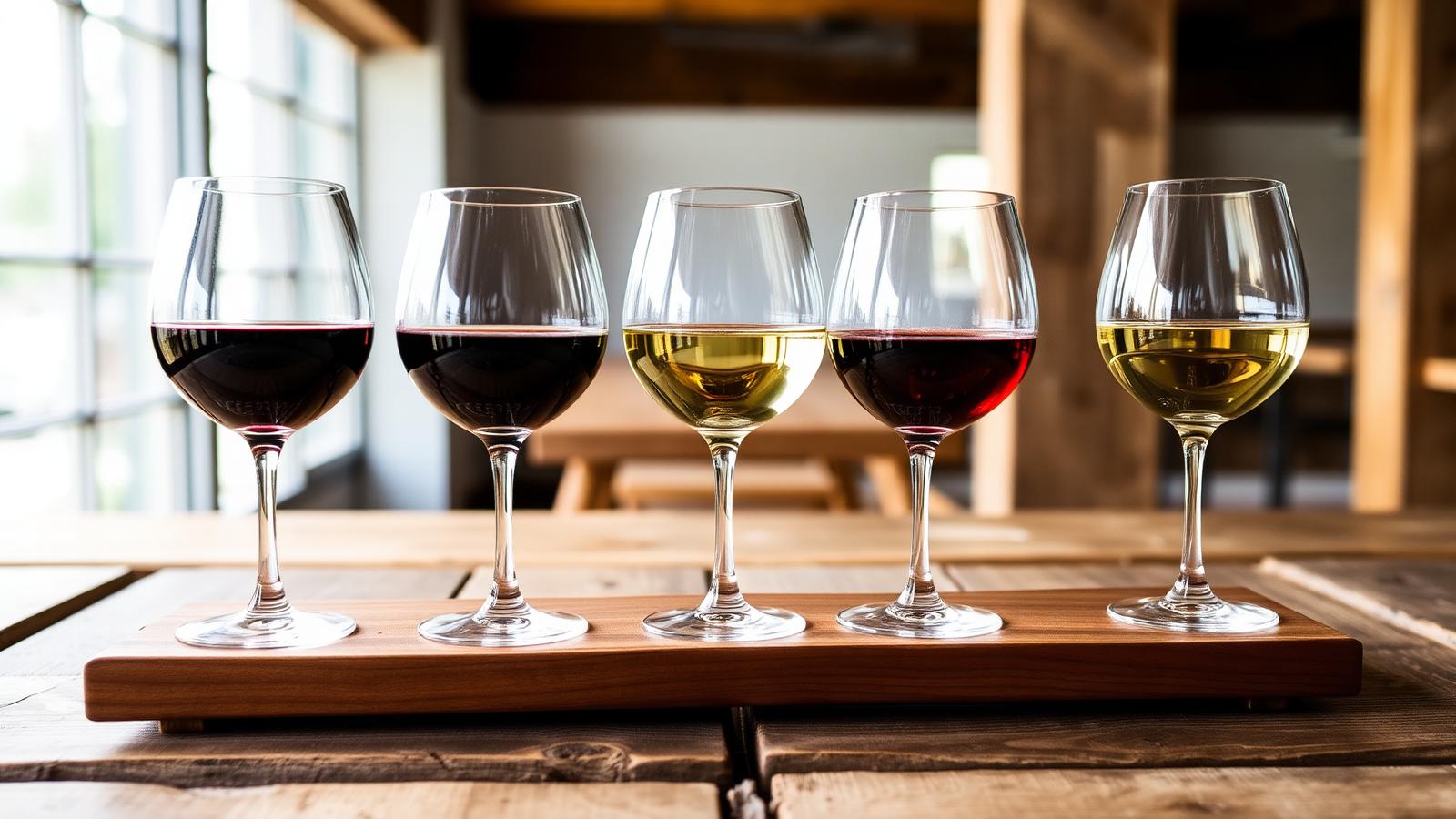
The Montagne de Reims presents a remarkable tapestry of , where broad, forested plateaus give way to vine-clad slopes, primarily south-facing, bathing the grapes in optimal sunlight. Beneath the surface lies the celebrated belemnite chalk, ancient seabed deposits that provide excellent drainage and impart a distinct minerality to the wines. This unique geological foundation, combined with the region’s continental climate moderated by oceanic influences, creates a nuanced environment. Cool breezes circulate through the vineyards, preventing excessive heat while ensuring the slow, steady ripening essential for developing the complex aromas and refreshing acidity that define the region's illustrious sparkling wines. It's a delicate balance, perfectly orchestrated by nature.
Planning a visit to Montagne de Reims
Best time to visit Montagne de Reims
Late spring and early autumn are the choices — comfortable weather, generous light, and vineyards at their most photogenic. Summer is warmer and livelier, with long evenings and outdoor tables everywhere. Winter is peaceful, cellars are quiet, and there's a real intimacy to visits without the crowds.
Where to base yourself
The main village or town in Montagne de Reims is usually the easiest base — it puts you in walking distance of restaurants and daily life, with vineyards a short drive away. Staying in the countryside is quieter and more romantic, but you'll rely more on a car or a driver. Both are valid; pick the mood you want your trip to have.
Getting to Montagne de Reims
Most travellers reach Montagne de Reims by combining a flight into the nearest major city with a train, bus, or rental car for the last leg. Once you arrive, distances are usually short — many memorable days here involve less driving than you'd expect.
Making the most of a day in Montagne de Reims
A good day in Montagne de Reims tends to have a shape: a slow morning, a couple of unhurried tasting stops, a proper local lunch, and time in the late afternoon to walk, nap, or take in a view. Try not to over-plan — the best moments usually turn up between the ones you scheduled.
Frequently asked questions
What is the best way to explore the charming villages and vineyards of the Montagne de Reims at a leisurely pace?
To truly immerse yourself in the Montagne de Reims, consider renting a car. This offers the freedom to wander off the main routes, discovering hidden hamlets and scenic overlooks at your own rhythm. Alternatively, electric bicycle rentals are an increasingly popular choice, allowing you to traverse the gentle slopes and vineyard tracks with ease, feeling the fresh air and taking in the panoramic views without rushing. Many villages are connected by well-maintained, quiet roads perfect for cycling, offering a more intimate connection with the landscape and its rhythm.
Given the focus on Pinot Noir, how can I best experience the diversity of the grape and its expressions in Montagne de Reims?
While reigns supreme here, its expression varies subtly from village to village and producer to producer. Seek out tastings that offer 'parcellaire' (single vineyard) expressions or 'blanc de noirs' from different sub-regions within the Montagne. Engaging with staff will often reveal distinctions in soil, sun exposure, and winemaking techniques that contribute to these variations. Don't hesitate to ask about the age of the wines; older vintages often showcase a deeper evolution of Pinot Noir's character, revealing more tertiary notes of mushroom, forest floor, and spice.
What local foods should I definitely try that pair well with the regional wines beyond charcuterie and cheese?
Beyond the excellent local cheeses like Chaource and Langres, and the famous Reims ham, look for local specialities such as 'biscuits roses de Reims,' a delicate pink biscuit traditionally dipped in – a delightful and unique pairing. Also, keep an eye out for dishes featuring freshwater fish from local rivers, often prepared simply to highlight their natural flavours, which complement the crisp acidity of the regional wines beautifully. For a richer experience, try a traditional 'potée Champenoise,' a hearty stew that resonates with the depth of a vintage sparkling wine.
What are the typical operating hours for cellar doors and how should I arrange visits if I'm planning a relaxed itinerary?
Most cellar doors within the Montagne de Reims operate primarily by appointment, especially for smaller, family-run establishments, to ensure a personalized experience. It's highly recommended to contact them a few days, or even a week, in advance to schedule your visit. While some larger houses may have more flexible drop-in hours, confirming ahead avoids disappointment. A relaxed itinerary might involve booking one or two visits per day, allowing ample time for travel between locations, enjoying a leisurely lunch, and perhaps an afternoon stroll through the vineyards or a village.