

Vallée de la Marne Wine Guide
Wineries in Vallée de la Marne
View all 86 wineries →The Soul of Pinot Meunier
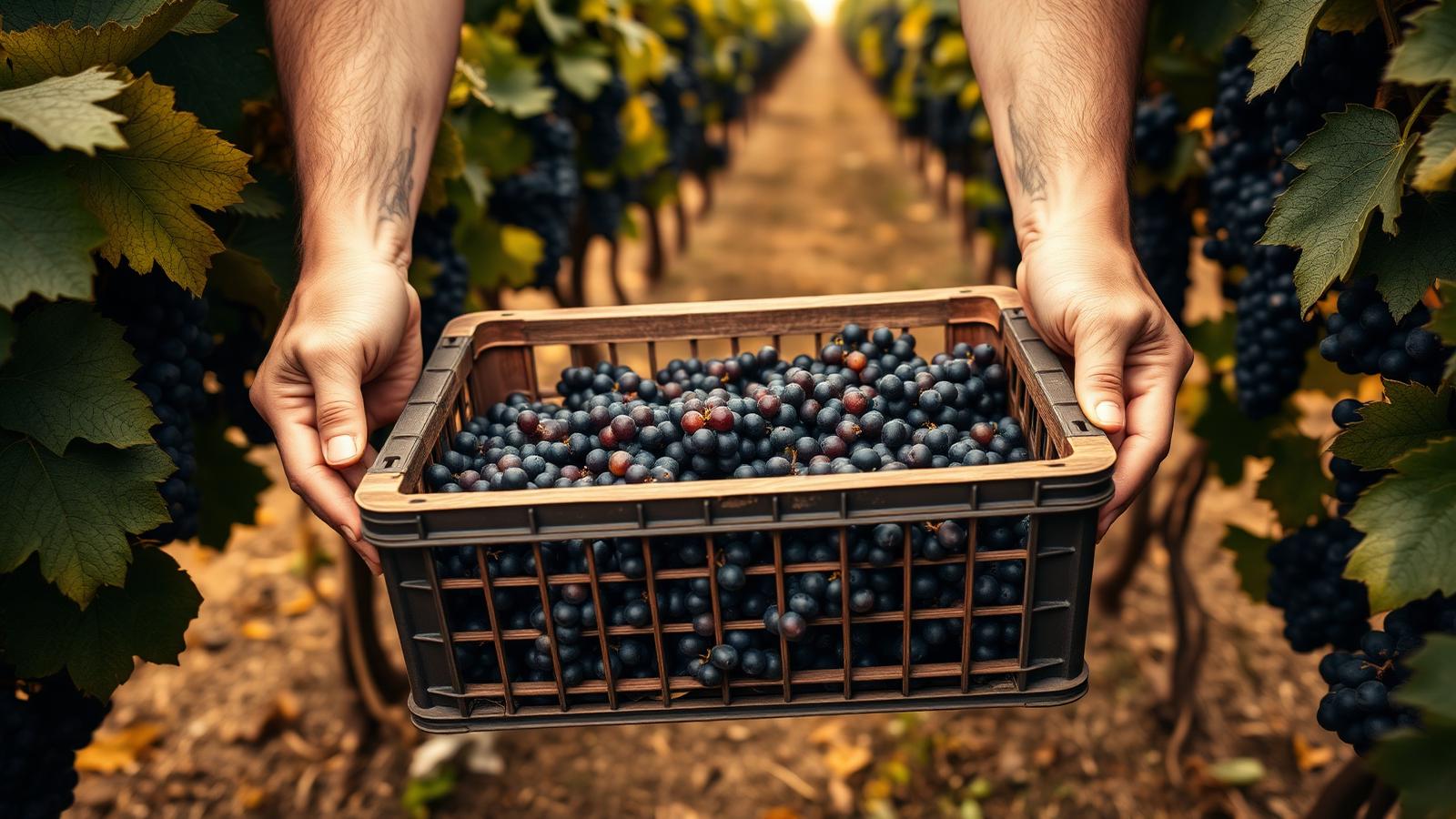
The Vallée de la Marne is the undisputed heartland of Pinot Meunier. This steadfast grape, often playing a supporting role elsewhere, truly shines here, its buds emerging late to bravely withstand spring frosts, and it ripens early, a blessing in this northern climate. The resulting wines delight with their youthful charm, expressing notes of red berries, orchard fruits, and a distinctive toastiness as they evolve. Its presence lends a unique supple structure and vibrant fruitiness to the region's blends, capturing the very essence of the valley’s fertile soil and unique weather patterns.
River's Embrace and Terroir
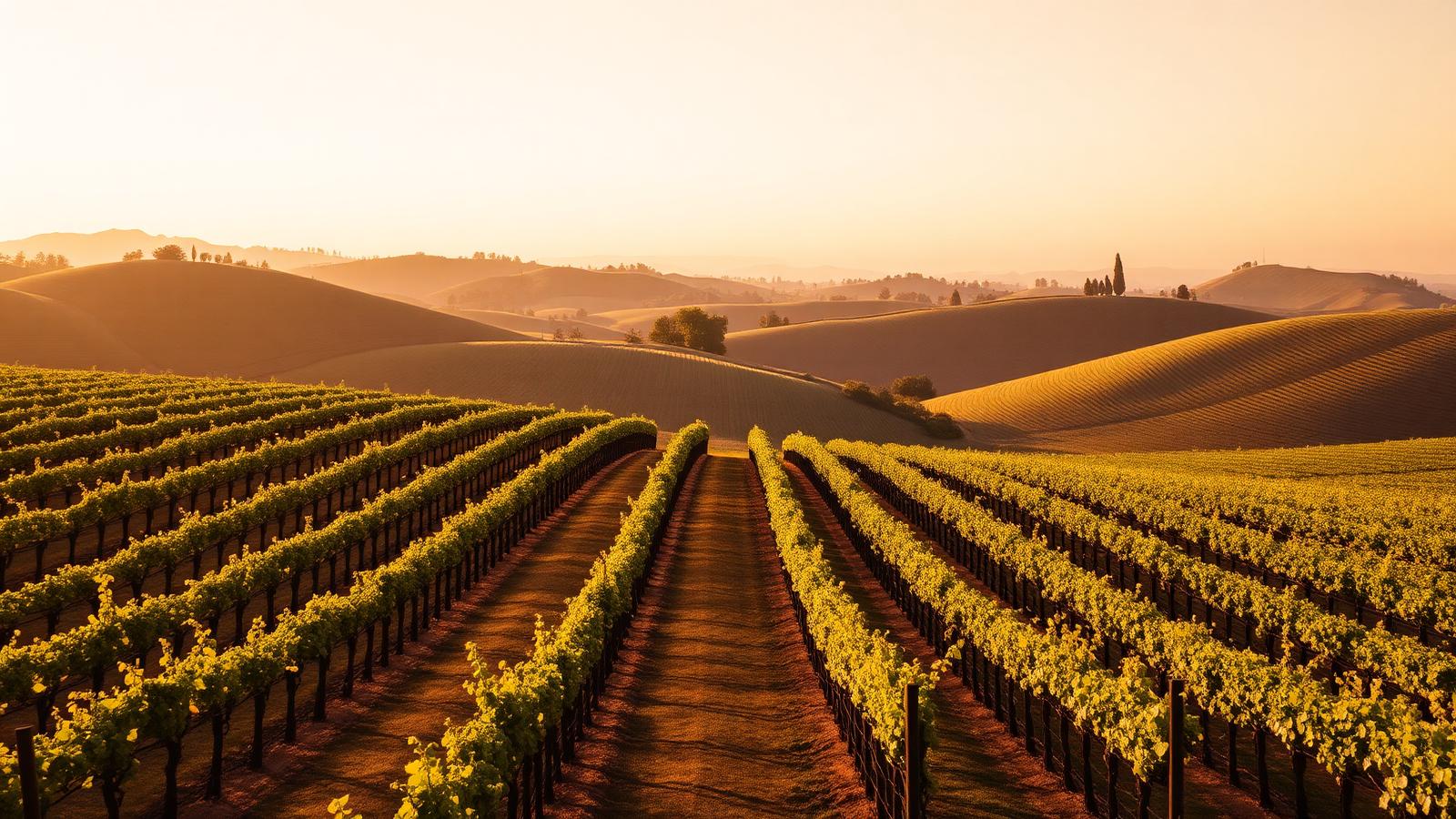
The Marne River is more than just a waterway; it is the lifeblood and defining feature of this . Its meandering course has sculpted the terrain, leaving behind rich clay, sand, and marl soils that provide the ideal foundation for vigorous vine growth. The river also moderates temperature extremes, fostering a slightly warmer microclimate beneficial for grape maturation. This gentle geological embrace, coupled with the varied exposures of the slopes, creates a mosaic of micro-terroirs, each contributing subtle nuances to the character of the final wines.
Planning a visit to Vallée de la Marne
Best time to visit Vallée de la Marne
Late spring and early autumn are the choices — comfortable weather, generous light, and vineyards at their most photogenic. Summer is warmer and livelier, with long evenings and outdoor tables everywhere. Winter is peaceful, cellars are quiet, and there's a real intimacy to visits without the crowds.
Where to base yourself
The main village or town in Vallée de la Marne is usually the easiest base — it puts you in walking distance of restaurants and daily life, with vineyards a short drive away. Staying in the countryside is quieter and more romantic, but you'll rely more on a car or a driver. Both are valid; pick the mood you want your trip to have.
Getting to Vallée de la Marne
Most travellers reach Vallée de la Marne by combining a flight into the nearest major city with a train, bus, or rental car for the last leg. Once you arrive, distances are usually short — many memorable days here involve less driving than you'd expect.
Making the most of a day in Vallée de la Marne
A good day in Vallée de la Marne tends to have a shape: a slow morning, a couple of unhurried tasting stops, a proper local lunch, and time in the late afternoon to walk, nap, or take in a view. Try not to over-plan — the best moments usually turn up between the ones you scheduled.
Frequently asked questions
What is the best way to explore the Vallée de la Marne, and what pace should I expect?
The Vallée de la Marne is best explored slowly, embracing its tranquil pace. Renting a car allows you the freedom to wander off the main roads, discovering charming villages and scenic viewpoints at your leisure. Alternatively, consider cycling along the river paths or through the vineyards; many local establishments offer bike rentals. Expect a laid-back atmosphere, where days unfold gently, allowing ample time for leisurely lunches, impromptu stops at local markets, and peaceful evenings.
What are the typical opening hours for tasting opportunities, and should I book in advance?
While some larger houses might have more structured tasting hours, many smaller, family-run establishments in the Vallée de la Marne operate on a more personal schedule. It is highly recommended to contact them directly and book your visit in advance, as this ensures someone is available to welcome you and provide a personalized experience. Mornings and early afternoons are generally the best times, allowing you to enjoy your visit without feeling rushed, typically from 10 AM to 5 PM, with lunch closures common.
What local products, beyond sparkling wine, should I look for to bring home or enjoy during my visit?
Beyond the exquisite sparkling wines, the Vallée de la Marne offers delightful local products that reflect its rich bounty. Look for artisanal honeys, often floral and fragrant, sourced from the valley's diverse flora. Local farm shops may offer delicious apple and pear ciders, fruit preserves, and perhaps even regional cheeses from nearby areas. Don't overlook the fresh produce at local markets, which changes with the seasons, offering a true taste of the region's agricultural heritage.
What are the best methods for getting around between villages without a car, and is public transport reliable?
While a car offers the most flexibility, exploring the Vallée de la Marne without one is still possible, especially for shorter distances. Regional train services connect some of the larger towns along the Marne, offering scenic views as you travel. For inter-village travel, local bus services exist but can be less frequent, especially on weekends and public holidays, so planning your route and checking schedules beforehand is crucial. Taxis can be arranged but are best pre-booked, particularly in smaller villages, due to limited availability compared to larger cities. Cycling is a wonderful and popular option for shorter distances.