

Côte des Blancs Wine Guide
Wineries in Côte des Blancs
View all 81 wineries →The Chalky Embrace
Beneath the verdant surface of the Côte des Blancs lies a secret: pure belemnite chalk, the fossilized remains of ancient marine creatures. This extraordinary soil is the architect of the region's distinctive character, offering perfect drainage while retaining essential moisture, and imbuing the grapes with an unparalleled minerality and freshness. The vines, deeply rooted in this pale, porous bedrock, draw up the very essence of the earth, translating it into wines of luminous precision and a remarkable capacity for aging. It is this chalk that lends the wines their characteristic tension, their bright acidity, and their persistent, elegant finish.
Planning a visit to Côte des Blancs
Best time to visit Côte des Blancs
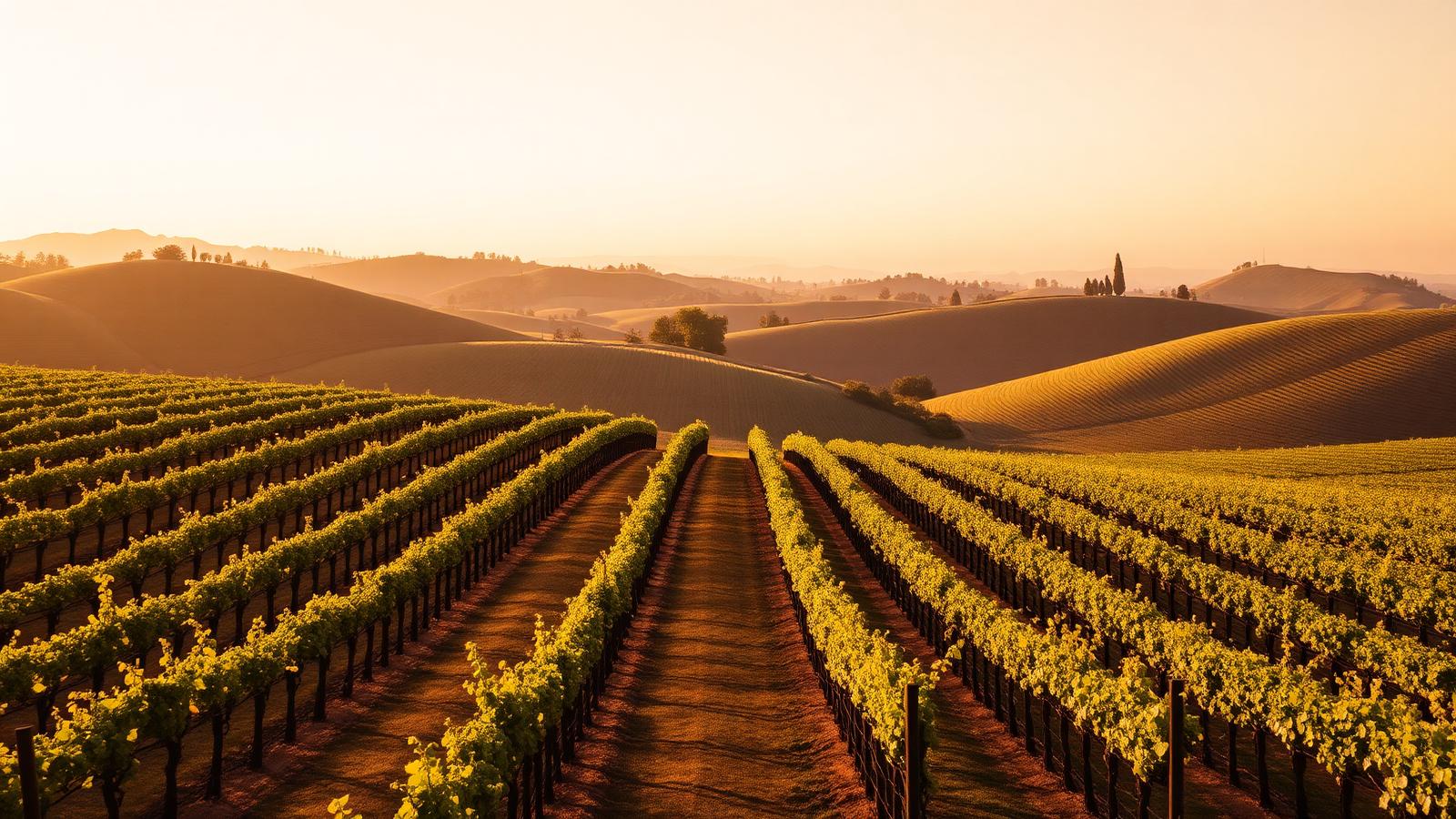
Late spring and early autumn are the choices — comfortable weather, generous light, and vineyards at their most photogenic. Summer is warmer and livelier, with long evenings and outdoor tables everywhere. Winter is peaceful, cellars are quiet, and there's a real intimacy to visits without the crowds.
Where to base yourself
The main village or town in Côte des Blancs is usually the easiest base — it puts you in walking distance of restaurants and daily life, with vineyards a short drive away. Staying in the countryside is quieter and more romantic, but you'll rely more on a car or a driver. Both are valid; pick the mood you want your trip to have.
Getting to Côte des Blancs
Most travellers reach Côte des Blancs by combining a flight into the nearest major city with a train, bus, or rental car for the last leg. Once you arrive, distances are usually short — many memorable days here involve less driving than you'd expect.
Making the most of a day in Côte des Blancs
A good day in Côte des Blancs tends to have a shape: a slow morning, a couple of unhurried tasting stops, a proper local lunch, and time in the late afternoon to walk, nap, or take in a view. Try not to over-plan — the best moments usually turn up between the ones you scheduled.
Frequently asked questions
What is the best way to experience the villages and vineyards of the Côte des Blancs?
To truly immerse yourself in the Côte des Blancs, consider exploring by bicycle or on foot. The gentle, undulating terrain is ideal for leisurely rides or strolls through the vineyards and between the charming villages. This allows you to appreciate the intimate scale of the region, the distinct character of each village, and the pristine beauty of the landscape at your own pace. Many villages offer clearly marked paths, and local information centers can provide maps. Driving is also pleasant, but don't miss the opportunity for a more personal, unhurried connection with the land.
Are there specific times of year best for visiting the Côte des Blancs?
Each season offers a unique charm. Spring (April-May) brings vibrant green shoots to the vines and pleasant, mild weather, ideal for walking. Summer (June-August) is warm and sunny, perfect for outdoor dining and seeing the grapes mature. Autumn (September-October) is harvest time, a bustling and exciting period, though some local establishments might have slightly altered hours. Winter (November-March) is quieter, offering a serene, often misty landscape, and a chance to enjoy the local cuisine by a warm fire.
What types of local cuisine and produce should I look for in the Côte des Blancs?
Beyond the exquisite local wines, the Côte des Blancs, and Champagne as a whole, offers delightful regional specialties. Look for Chaource cheese, a soft cow's milk cheese; Langres, another local favorite; and various artisanal pâtés and terrines often found in local markets. Freshwater fish from nearby rivers, and local game in season, are also common. Pastries and local honey are delightful treats. Pair these with a crisp glass of the region's hallmark wine to fully appreciate the local flavors.
What kind of accommodation is typical in the Côte des Blancs?
Accommodation in the Côte des Blancs tends to reflect the region's intimate and charming character. You'll find many delightful guesthouses (chambres d'hôtes) often run by local families, offering a warm welcome and a personal touch. There are also several charming boutique hotels, sometimes housed in renovated historic buildings, within the villages or amidst the vineyards. Larger, more modern hotels are less common here, maintaining the area's peaceful and authentic atmosphere. Booking ahead, especially during peak season or harvest, is always advisable.