

Côte de Sézanne Wine Guide
Chardonnay's Gentle Heart
The Côte de Sézanne is predominantly a land of , where the grape finds an expression both distinct and captivating. Here, the deep chalk, often closer to the surface in pockets, coupled with a slightly warmer and more consistent microclimate, yields wines that are remarkably supple and aromatic. They often present a delightful paradox: a rich fruitiness balanced by a compelling freshness and a delicate underpinning of minerality. This particularity allows for Champagnes that are approachable in their youth yet possess a quiet capacity for graceful evolution, revealing layers of almond, brioche, and citrus over time. To taste them is to appreciate Chardonnay in a beautifully unadorned form, reflecting the gentle spirit of its birthplace.
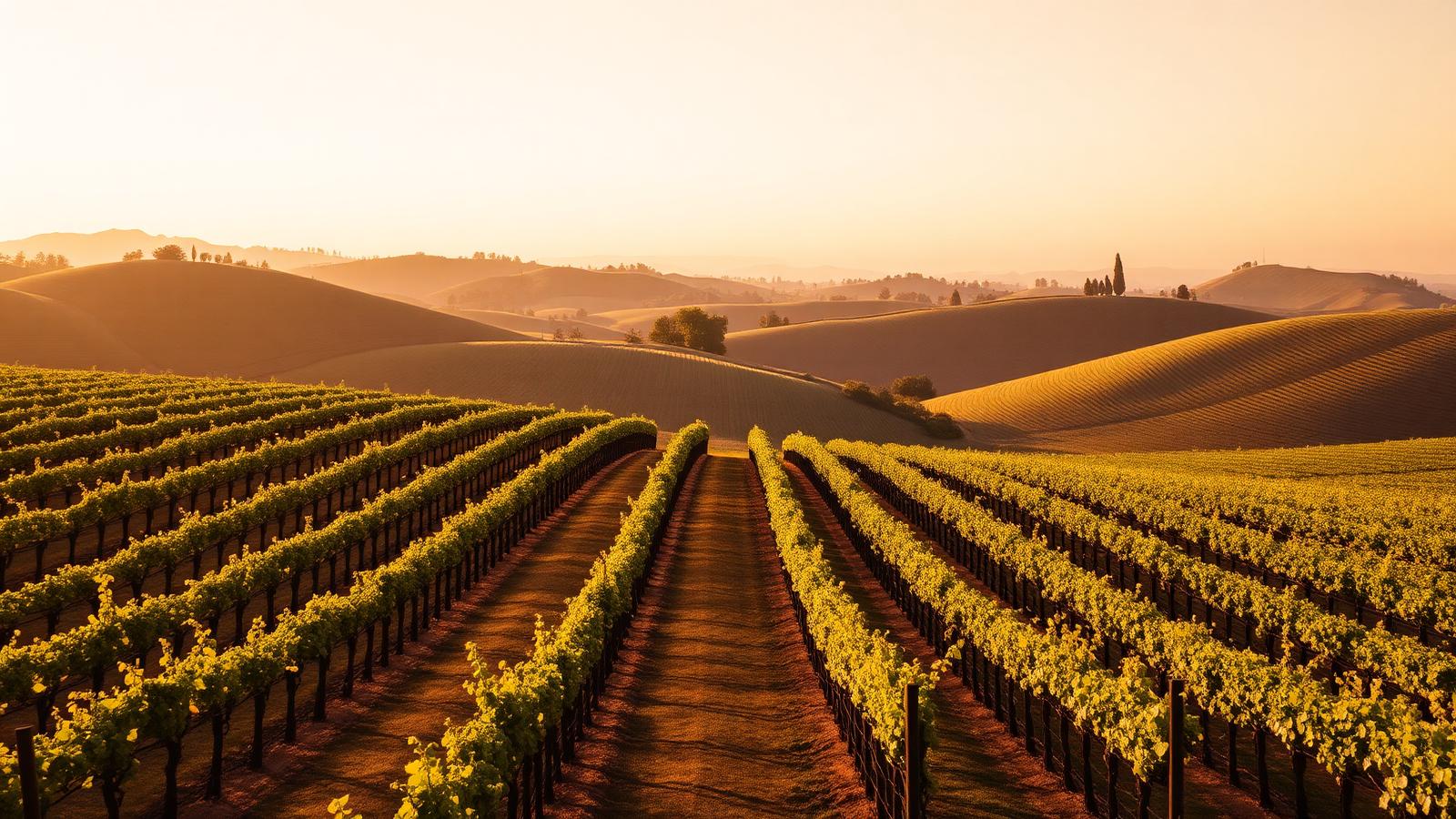
Planning a visit to Côte de Sézanne
Best time to visit Côte de Sézanne
Late spring and early autumn are the choices — comfortable weather, generous light, and vineyards at their most photogenic. Summer is warmer and livelier, with long evenings and outdoor tables everywhere. Winter is peaceful, cellars are quiet, and there's a real intimacy to visits without the crowds.
Where to base yourself
The main village or town in Côte de Sézanne is usually the easiest base — it puts you in walking distance of restaurants and daily life, with vineyards a short drive away. Staying in the countryside is quieter and more romantic, but you'll rely more on a car or a driver. Both are valid; pick the mood you want your trip to have.
Getting to Côte de Sézanne
Most travellers reach Côte de Sézanne by combining a flight into the nearest major city with a train, bus, or rental car for the last leg. Once you arrive, distances are usually short — many memorable days here involve less driving than you'd expect.
Making the most of a day in Côte de Sézanne
A good day in Côte de Sézanne tends to have a shape: a slow morning, a couple of unhurried tasting stops, a proper local lunch, and time in the late afternoon to walk, nap, or take in a view. Try not to over-plan — the best moments usually turn up between the ones you scheduled.
Frequently asked questions
What is the best way to travel between the charming villages of the Côte de Sézanne?
To truly savour the Côte de Sézanne's intimate charm and discover its hidden gems, renting a car is highly recommended. This allows complete freedom to explore the picturesque villages, winding vineyard roads, and scenic viewpoints at your own pace. Public transport options are limited in this rural area, making a car essential for flexibility. Consider driving leisurely, stopping for impromptu picnics amidst the vines, and simply enjoying the journey between destinations. Always ensure a designated driver if planning to enjoy tastings!
What kind of local culinary experiences can a visitor expect in the Côte de Sézanne?
The Côte de Sézanne offers a chance to experience authentic Champagne cuisine, focusing on fresh, seasonal ingredients. You'll find inviting village restaurants serving traditional French fare, often with a regional touch. Look out for local produce at market days in towns like Sézanne itself, where you can gather ingredients for a delightful picnic. Many small producers offer local cheeses, honey, and artisanal products. While Michelin-starred dining is rare here, the emphasis is on hearty, flavorful home-style cooking that perfectly complements the local sparkling wines.
Is it easy to visit local producers and taste the wines in the Côte de Sézanne?
Yes, visiting local producers is one of the most rewarding experiences in the Côte de Sézanne, often characterized by a warm, personal welcome. Many smaller growers operate intimate tasting rooms. It's always advisable to call ahead or make an appointment, especially for smaller, family-run estates, to ensure someone is available to host you and to allow them to prepare for your visit properly. This region is less commercialized than other parts of Champagne, offering a more personal and often educational encounter directly with the people who craft the wines.
What is the ideal time of year to visit the Côte de Sézanne for a wine-focused trip?
The spring (April-May) and autumn (September-October) offer the most enchanting experiences in the Côte de Sézanne. Spring bursts with vibrant green vineyards, pleasant temperatures, and the blossoming of wildflowers, creating a beautiful backdrop for exploration. Autumn brings the spectacle of harvest, with activity in the vineyards and cellars, and the landscape ablaze with golden and russet hues. Both seasons offer comfortable weather for strolling and touring, avoiding the peak summer heat and crowds, and allowing for a deeper connection with the rhythm of the wine country.