
How to taste wine, without the theatre.
Tasting is just paying attention in a particular order. Five steps, about thirty seconds a glass, and you'll get far more out of every cellar door you walk into — no vocabulary test required.
The five steps
 Step 01
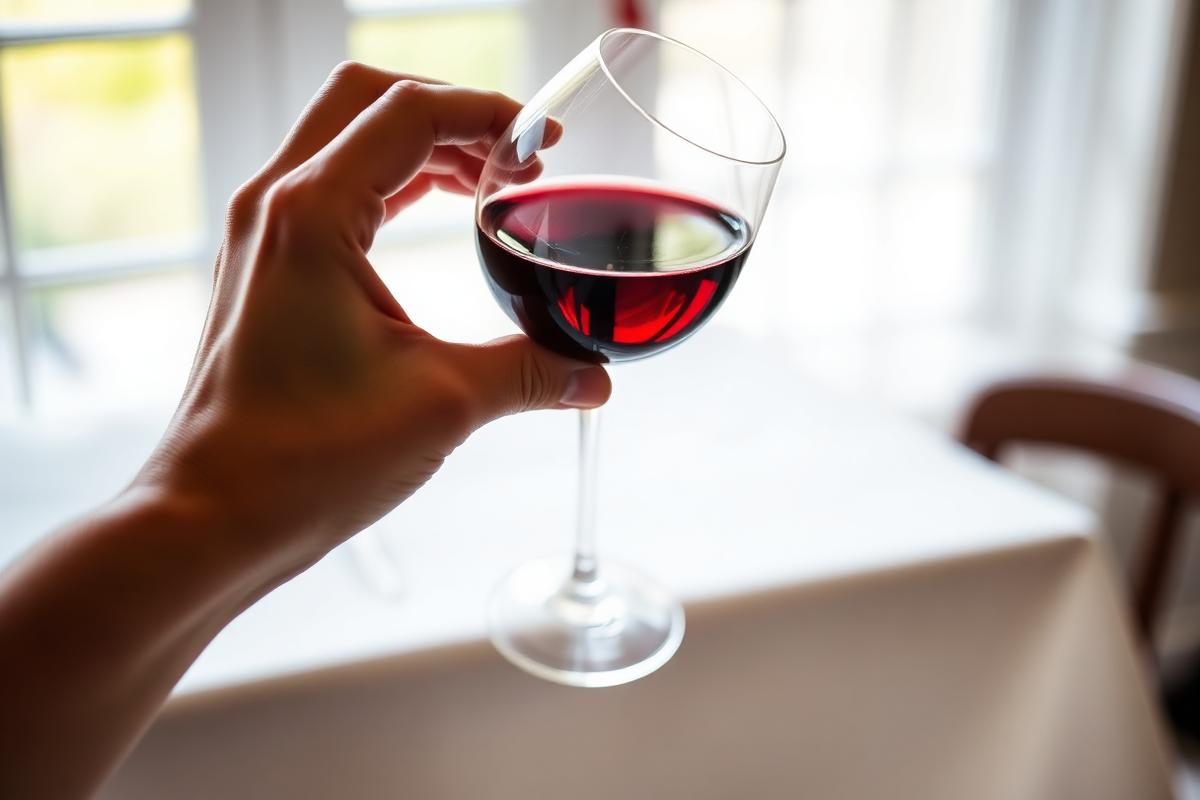
Look
Tilt the glass over something white and read the colour.
Colour hints at age, grape and style. Whites deepen from pale straw to gold as they age or spend time in oak; reds fade from purple-tinged ruby toward brick and garnet. A hazy look isn't a fault in unfiltered natural wines, but in a mainstream bottle it can be a warning sign.
 Step 02
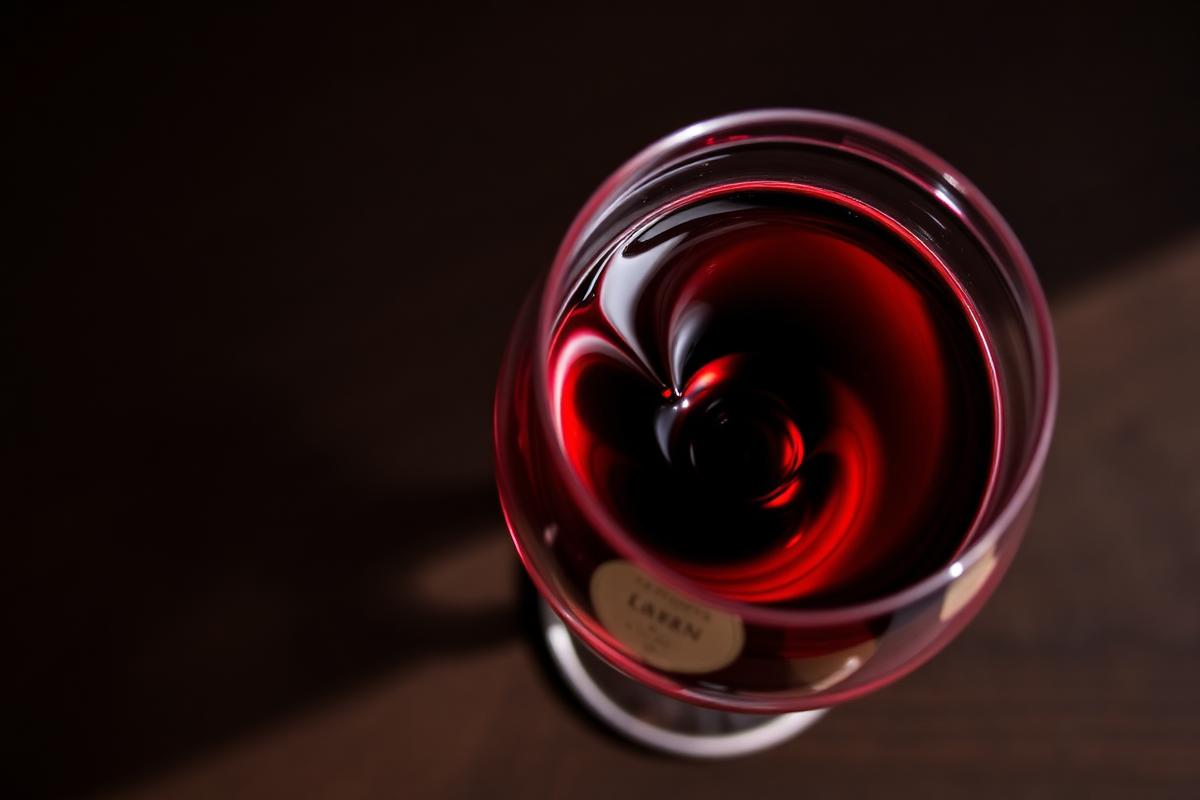
Swirl
Keep the base on the table and move the glass in small circles.
Swirling coats the inside of the bowl and releases aromatic compounds into the space above the wine. Those slow-running 'legs' tell you about alcohol and sugar, not quality. If the glass is more than a third full, you have no room to swirl — pour less.
 Step 03
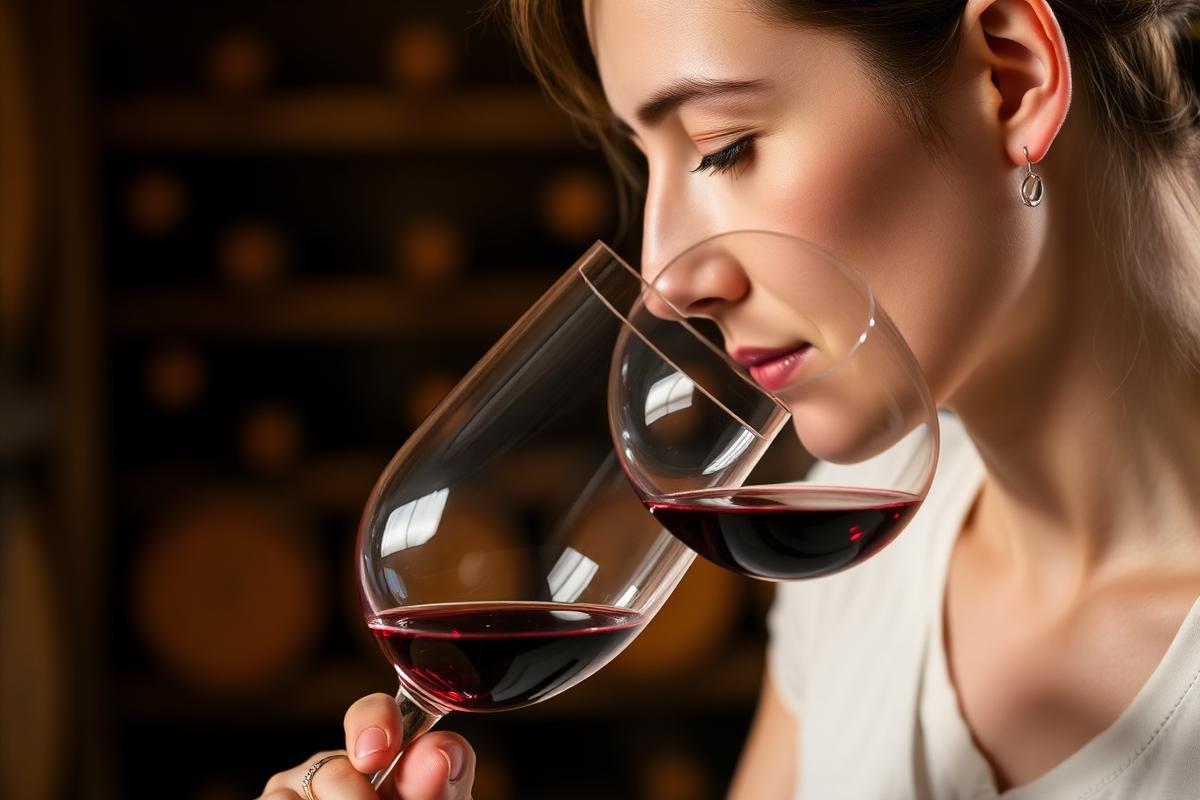
Smell
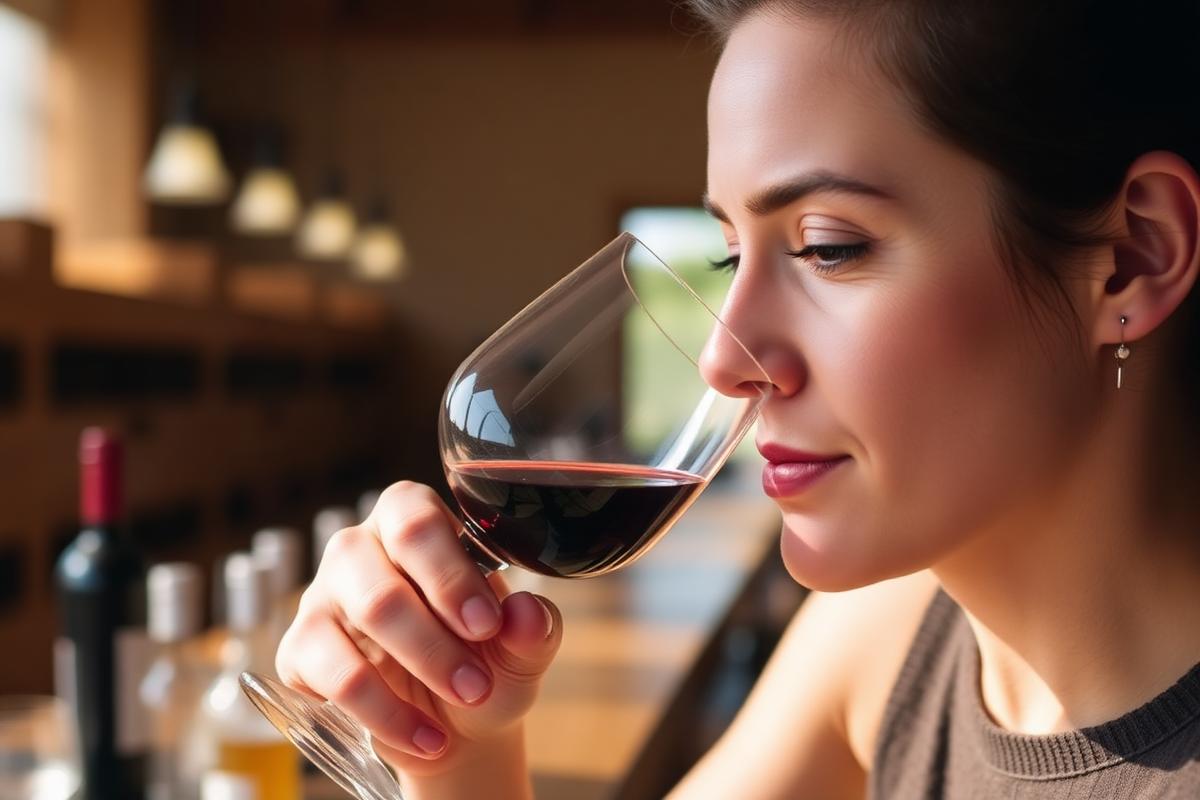
Nose in, short sniffs, then name the first thing you notice.
Most of what we call taste is smell. Work outward in three layers: fruit (citrus, berry, stone fruit), then other plant and spice notes (herbs, pepper, florals), then winemaking character (vanilla and toast from oak, bread dough from lees, earth and mushroom from age). Trust your own references — 'my grandmother's jam cupboard' is as valid as any wheel.
 Step 04
Sip
Take a small sip and let it move across your whole mouth.
Now judge structure rather than flavour: sweetness on the tip of the tongue, acidity as mouthwatering tartness along the sides, tannin as a drying grip on the gums in reds, alcohol as warmth at the back, and body as the overall weight. Then note the finish — how long the flavour lingers after you swallow.
 Step 05
Reflect
Decide whether you'd pour a second glass, and why.
Good tasting ends with a verdict you can repeat. Balance, length and distinctiveness matter more than any single flavour. Write one line in your phone — grape, producer, and the reason you liked it — and within a few visits you'll know your own palate better than any score can tell you.
Serving temperature
Temperature changes a wine more than almost anything else. Too cold and the aromas disappear; too warm and alcohol dominates. Most whites are served too cold and most reds too warm — twenty minutes out of the fridge, or twenty minutes in it, usually fixes both.
Tasting-room etiquette
- Skip strong perfume, aftershave and scented hand cream — they travel across a tasting bar.
- Hold the glass by the stem so you don't warm the wine or smudge the bowl.
- Using the spit bucket is normal and expected, especially across several stops in a day.
- Ask questions. Cellar-door staff would far rather explain a wine than pour it in silence.
- Taste light to heavy, dry to sweet, so a big red doesn't flatten the wine after it.
- Book ahead at small producers, and if you love something, buy a bottle — that's the point.
Frequently asked questions
How long should a wine tasting take per glass?
About thirty seconds of attention is enough: a few moments looking, a swirl, two short sniffs, a sip held briefly, then a pause to notice the finish. Anything longer is preference rather than method.
Why do people swirl wine in the glass?
Swirling increases the surface area of the wine and releases its volatile aromatic compounds, so the glass smells far more expressive. It also shows viscosity, which hints at alcohol and sugar levels.
Do expensive wine glasses actually make a difference?
Shape matters more than price. A clear glass with a bowl that narrows towards the rim concentrates aroma and lets you swirl safely. Beyond that, variety-specific glassware makes a small difference most drinkers will not notice.
How do I describe a wine if I have no vocabulary for it?
Use comparisons from your own kitchen and memory — citrus, baking spice, wet stone, dried herbs. Then note structure in plain terms: how sour, how drying, how heavy, how long the flavour lasts. That is all a tasting note is.
What does tannin taste like?
Tannin is a texture rather than a flavour. It shows up as a drying, slightly grippy feeling across the gums and tongue, similar to over-steeped black tea. Firm tannin softens with food and with time in bottle.
Should I decant wine before tasting it?
Decanting helps young, tannic reds open up and separates older reds from their sediment. For most everyday bottles, twenty minutes in the glass achieves much the same thing, so decant when the wine feels tight rather than out of habit.
Read next
The guides in this series build on each other. Here is where to go from here.
- Winery Etiquettewhat to expect at a cellar doorBooking, spitting, tipping and how long a tasting actually takes.
- A Guide to Wine Stylesthe main styles of wineKnow what should be in the glass before you start assessing it.
- How to Read a Wine Labelhow to read a wine labelWork out how a bottle will taste before you pull the cork.
- Wine & Food Pairing Basicspairing wine with foodPut your tasting notes to work at the dinner table.
- Planning a Wine Tripplanning a wine tripTurn a tasting habit into a few days in a real wine region.