How to read a wine label.
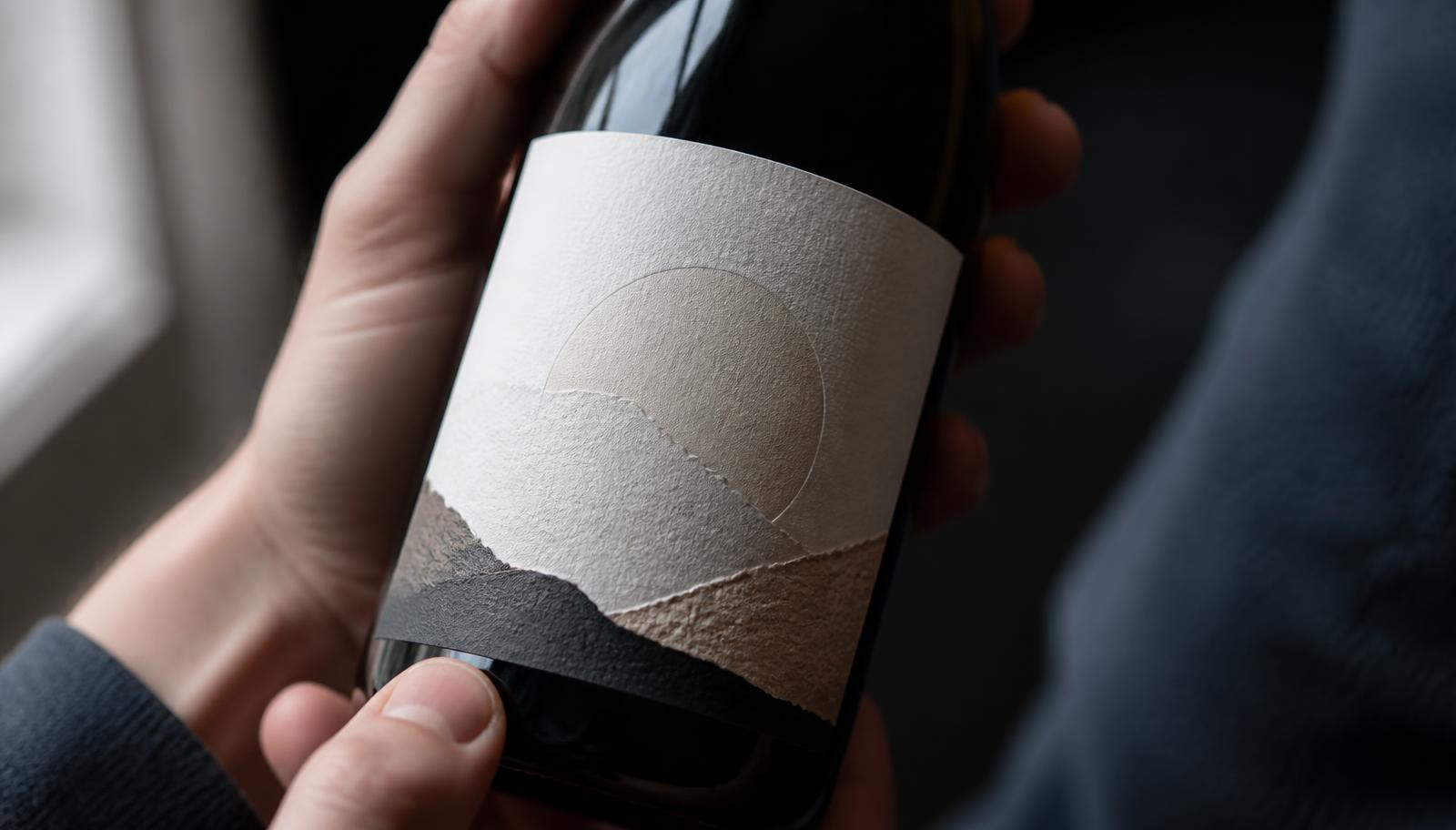
A wine label is a legal document pretending to be packaging. Once you know which five things to look for — and which words mean nothing at all — you can tell roughly how a bottle will taste before it is opened.
Five things on every label
- Step 01
Find the producer
The name in the largest type is usually who made the wine.
Words like Domaine, , Weingut, Bodega, Tenuta, Quinta and Estate all signal a producer, often one that grows its own fruit. Terms such as , merchant or 'produced and bottled by' point to a business that buys grapes or finished wine. Neither is automatically better, but the producer is the single most reliable predictor of quality once you find names you trust.
- Step 02
Locate the place
The place name is often the closest thing to a grape name on European bottles.
Old World labels usually lead with an — Chablis, Rioja, Barolo — and the permitted grapes are defined by law rather than printed. New World labels typically print the grape and add a region beneath it. The narrower the place named, the tighter the rules and, generally, the more specific the wine: a village name says more than a country.
- Step 03
Read the vintage
The year on the label is the year the grapes were picked, not bottled.
Vintage matters most in cool, variable climates where growing seasons differ sharply year to year, and least in warm, consistent regions. Non-vintage — marked NV — is standard for most Champagne and many fortified wines, where blending across years is the point. As a rule, crisp whites and rosés are best drunk within a couple of years of the vintage.
- Step 04
Decode the classification
Quality tiers are legal categories, not tasting notes.
France uses /AOP and IGP; Italy uses , DOC and ; Spain uses DO, DOCa and terms like Crianza, and that indicate ageing time. Germany's terms — , , — describe ripeness at harvest, not always sweetness. These labels guarantee rules were followed; they do not guarantee you will like the wine.
- Step 05
Check alcohol, sweetness and the back label
Alcohol by volume is your best clue to body and ripeness.
Under about 12% usually means a lighter, crisper wine, and some off-dry styles; 13.5% and above suggests a fuller, riper, warmer-climate style. Sparkling wines carry a sweetness scale from Brut Nature through Brut to . The back label often carries the useful practical details: closure, whether it is unfiltered, vegan or organic, and the importer, which is itself a quality signal.
Label terms worth knowing
Some of these are legally defined; several are marketing. Knowing which is which saves money.
The producer grew, made and bottled the wine on its own property — a sign of control over the whole process.
Unregulated in most countries. Genuinely old vines give concentration, but the term alone guarantees nothing.
Legally defined in Spain and Italy, marketing language almost everywhere else.
A specific blend or batch. On Champagne it can also mean the first, gentlest pressing.
Dry. On , confusingly, 'Sec' is sweeter than 'Brut'.
Aged on spent yeast, adding texture and a bready, savoury note.
A standard warning. Sulfites occur naturally in all wine and cause reactions in a small minority of people.
In Italy, higher minimum alcohol or ageing, and the historic heart of the respectively.
Quick scan in the shop
- Producer name — the strongest predictor of what is in the bottle.
- Region or — the narrower, the more specific the style.
- Vintage year, or NV for deliberately blended wines.
- Grape variety, printed on New World bottles and implied by place on Old World ones.
- Alcohol by volume as a proxy for body and ripeness.
- Importer or bottler on the back label — good importers curate hard.
Frequently asked questions
Why don't French wine labels show the grape variety?
Because the system defines which grapes may be used in each place. A bottle labelled Chablis is by law, and Sancerre is . The label names the place and the rules do the rest, which is why learning a handful of appellations pays off quickly.
Does a higher alcohol percentage mean a better wine?
No. Alcohol indicates how ripe the grapes were and how full the wine will feel, not quality. Many excellent wines sit at 11–12%, and balance between alcohol, acidity, fruit and tannin matters far more than the number itself.
What does 'Reserve' actually mean on a wine label?
It depends entirely on the country. In Spain, and carry legally required minimum ageing periods. In Italy, does too. In the United States, Australia and many other markets the word is unregulated and can be pure marketing.
Is the vintage year important?
It matters most in cool climates where weather varies sharply between years, such as Burgundy, Bordeaux, Germany and parts of New Zealand. In consistently warm regions, vintage variation is much smaller. It also tells you how old the wine is, which matters for fresh whites and rosés.
What does “Estate Bottled” mean?
It means the producer grew the grapes, made the wine and bottled it on their own property. It is a regulated term in several countries and is a reasonable signal of control over the whole process — though it says nothing about quality on its own.
What is the difference between a grape variety and an appellation?
A variety is the grape, such as . An is the legally defined place, such as Chablis. New World labels usually lead with the variety; European labels usually lead with the place and expect you to know which grapes that place is allowed to grow.
What do sulphite warnings on a label mean?
Almost all wine contains sulphites, either naturally from or added in small amounts as a preservative. The warning is a labelling requirement above a threshold, not a quality signal, and the quantities are lower than in many dried fruits.
Does a heavier bottle mean better wine?
No. Bottle weight is a packaging choice, not a quality measure, and many excellent producers have deliberately moved to lighter glass to cut shipping emissions. Judge the label information and the producer, not the heft.
What does “Old Vines” or “Vieilles Vignes” mean?
Usually that the vineyard is several decades old, and older vines tend to give smaller, more concentrated crops. The term is unregulated in most places, so treat it as a hint about style rather than a guarantee.
How can I tell if a wine is dry or sweet from the label?
Look for a stated sweetness term (Brut, Sec, , Off-dry), residual sugar in grams per litre where it is given, or the itself, since many regions define sweetness by law. Low alcohol in a still white can also hint at leftover sugar.
Read next
The guides in this series build on each other. Here is where to go from here.
- A Guide to Wine Styleswhat each wine style tastes likeTurn the appellation on the label into a flavour you can expect.
- How to Taste Winetasting the wine you just decodedCheck the bottle against the label's promises in five short steps.
- Wine & Food Pairing Basicsmatching that bottle to dinnerWeight, acidity and sweetness are all readable on the label.
- Winery Etiquetteasking better questions at the cellar doorLabel vocabulary makes tasting-room conversations far more useful.
- Planning a Wine Tripvisiting the appellation itselfPlan a trip to the place printed on the front of the bottle.